
The days have turned sharply colder and this weekend will be chilly with highs only in the 50s and lows in the 30s, but the horse shows continue in Southwest Virginia.But if you prefer to cuddle up on the couch in front of a fire, there are also some great options streaming online too including the AQHA World Show.
VIRGINIA HORSE CENTER
The Virginia Horse Center will host the Southwest Virginia Hunter-Jumper Association Finals. The 26th Annual Show and Medal Finals includes a $1,000 Invitational Hunter Derby. View the Prize List for the show. The show will open Friday at 8 a.m. with Green Hunters Over Fences. The Invitational Hunter Derby will be Friday not before 4 p.m. The classes (see the schedule here) will continue through Sunday.
FRANKLIN COUNTY
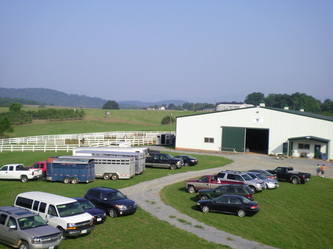
Dove Valley Farm Stables, about 15 miles south of Rocky Mount, will host a Blue Ridge Horse Force -sanctioned show, the Franklin County Equestrian Equestrian Club’s Stars and Stripes Horse Show, on Saturday, Nov. 8. Roger Moore will judge the show, which starts at 10 a.m. Championships and Reserve Championships will given in Western, Walking/Racking, English,Gymkhana in Novice,Youth & Adult. Proceeds benefit Unbridled Change Take Back the Reins Combat PTSD Program. For more information, contact Patricia Wray at (540) 420-8169.
ONLINE
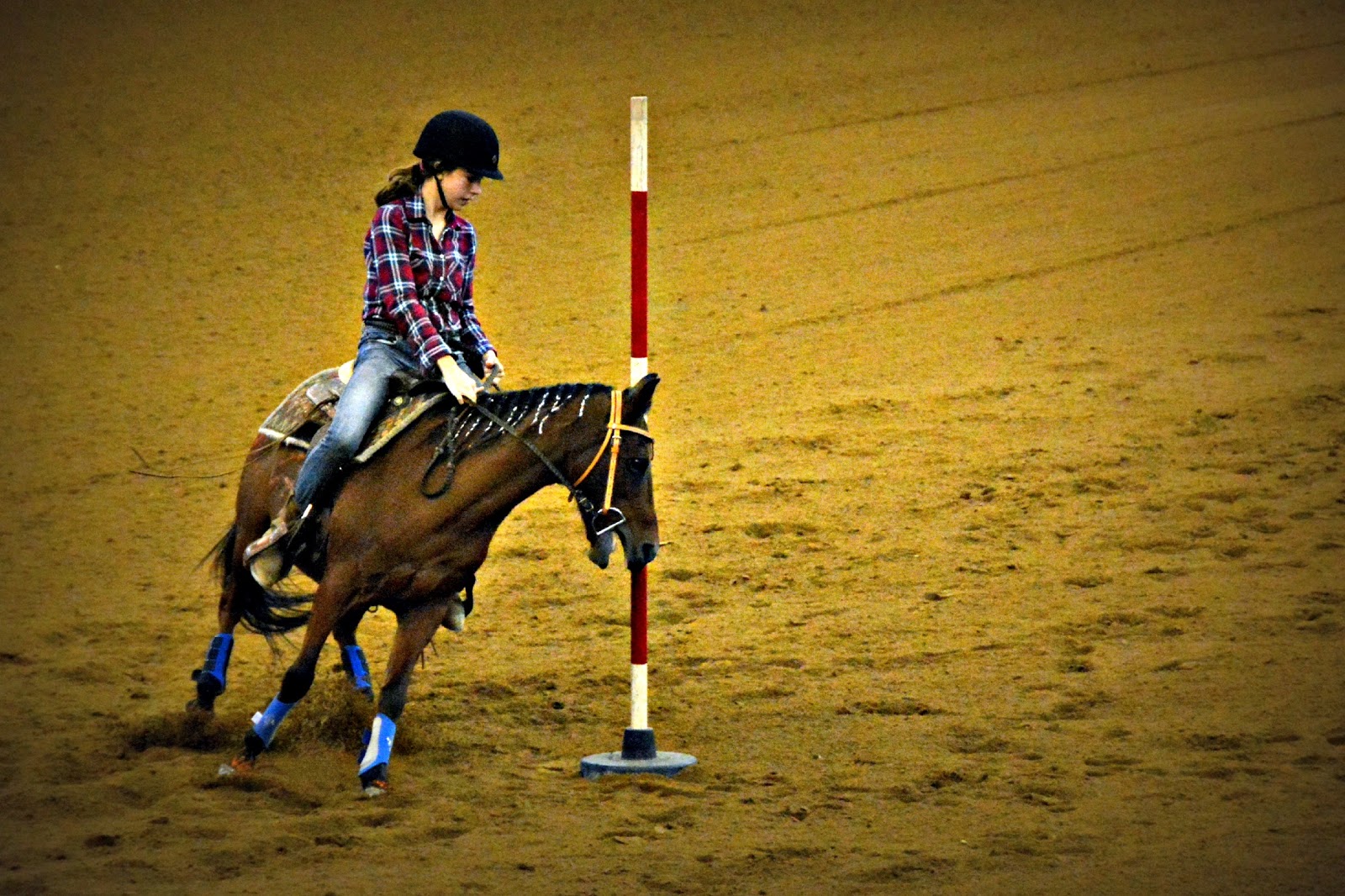
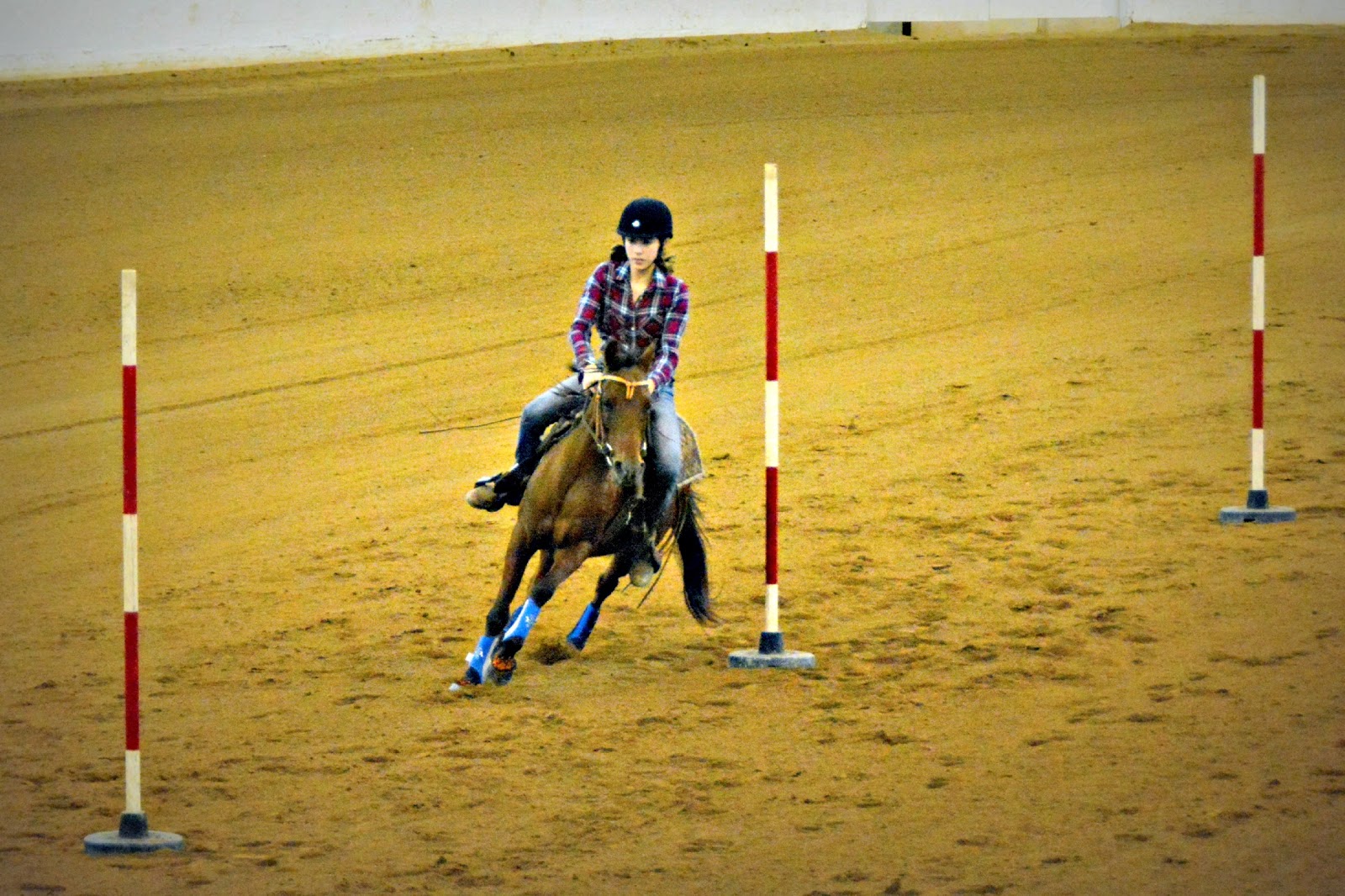
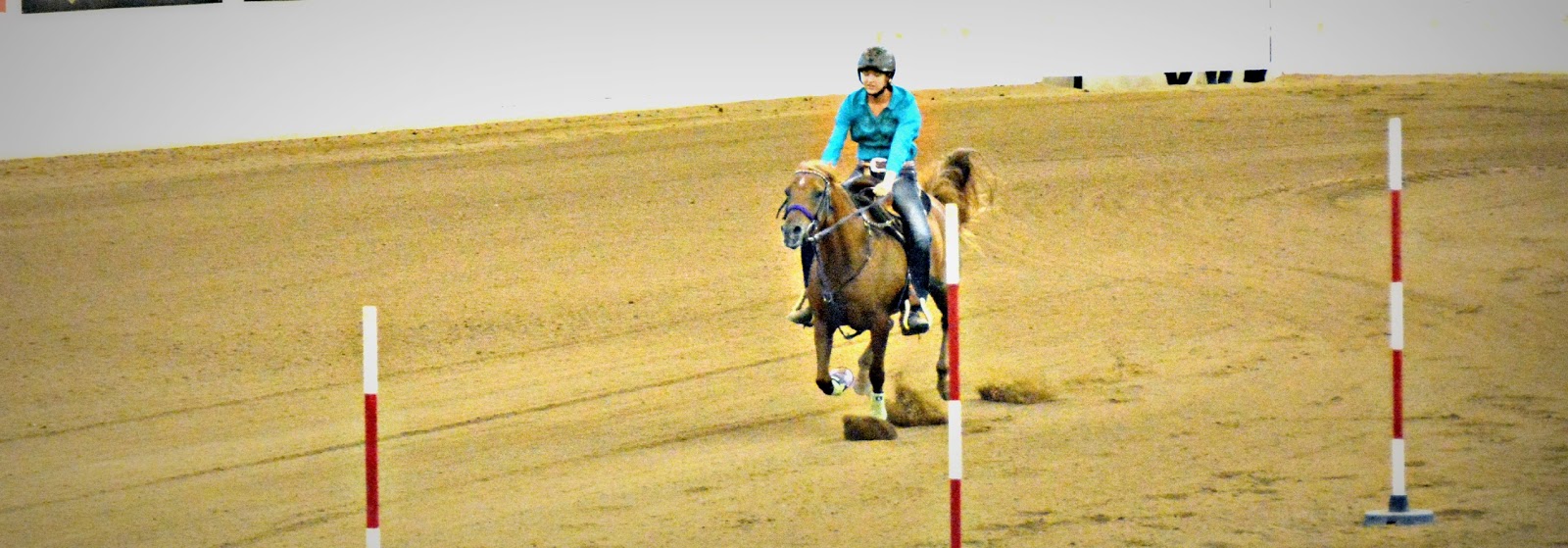
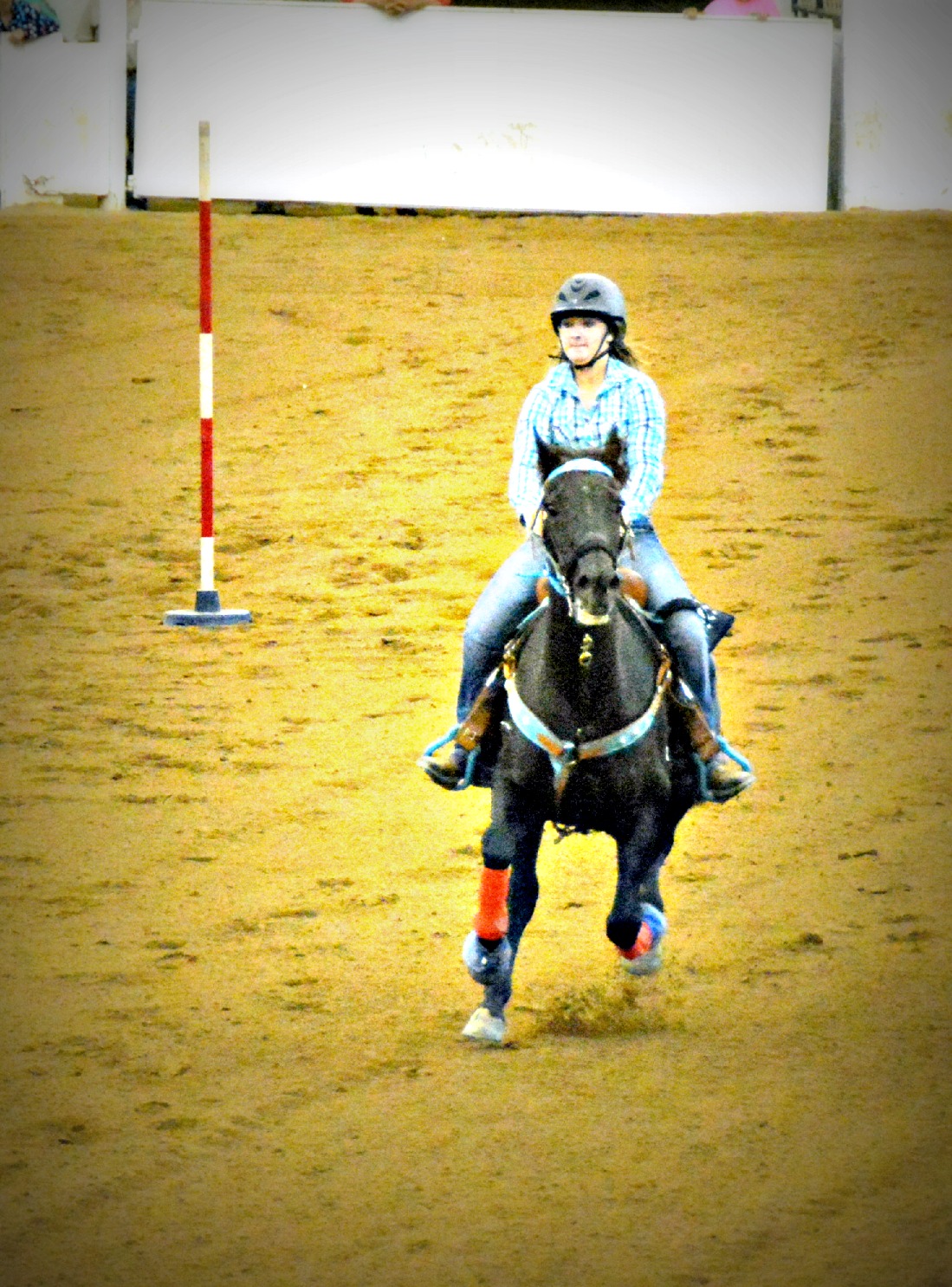
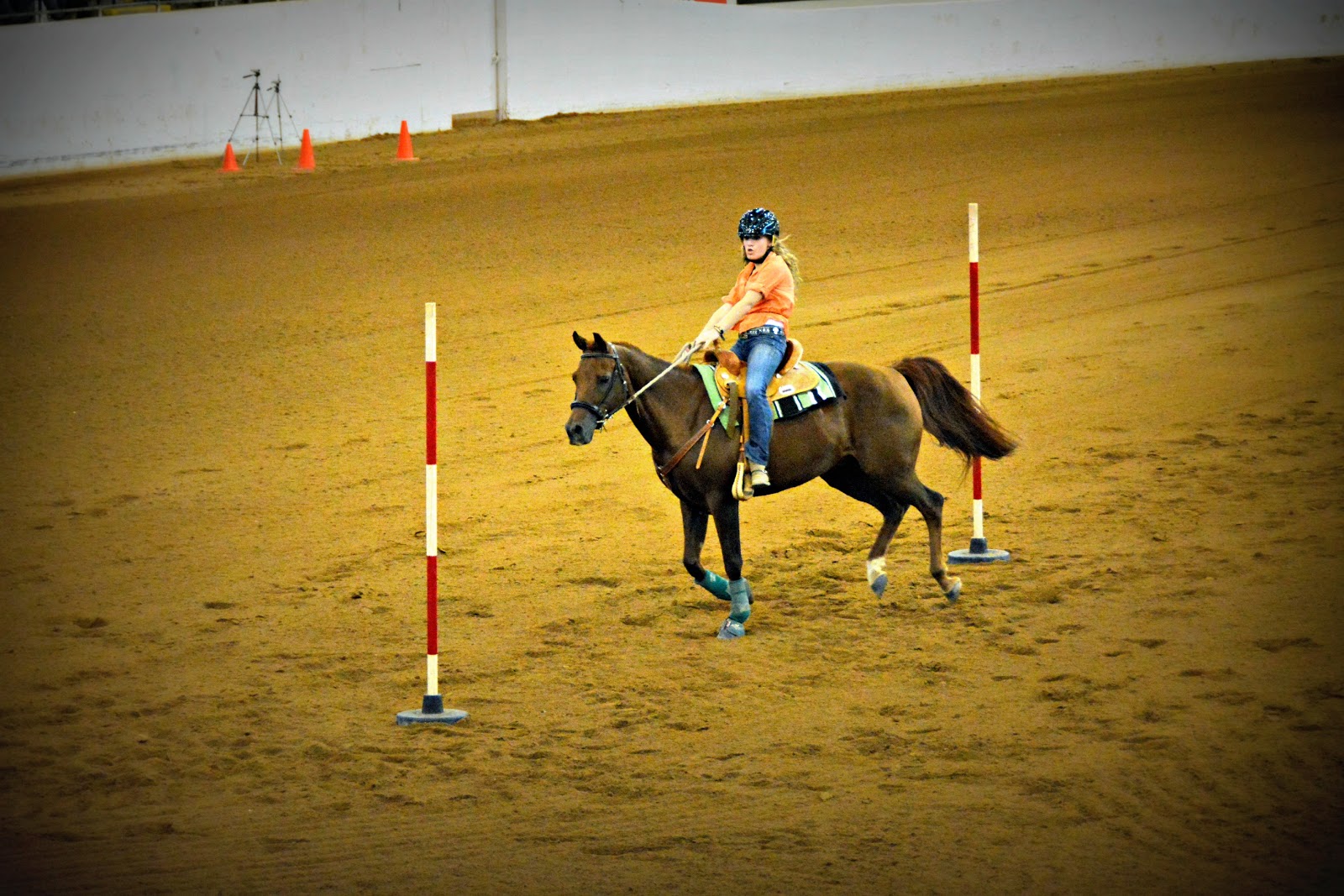
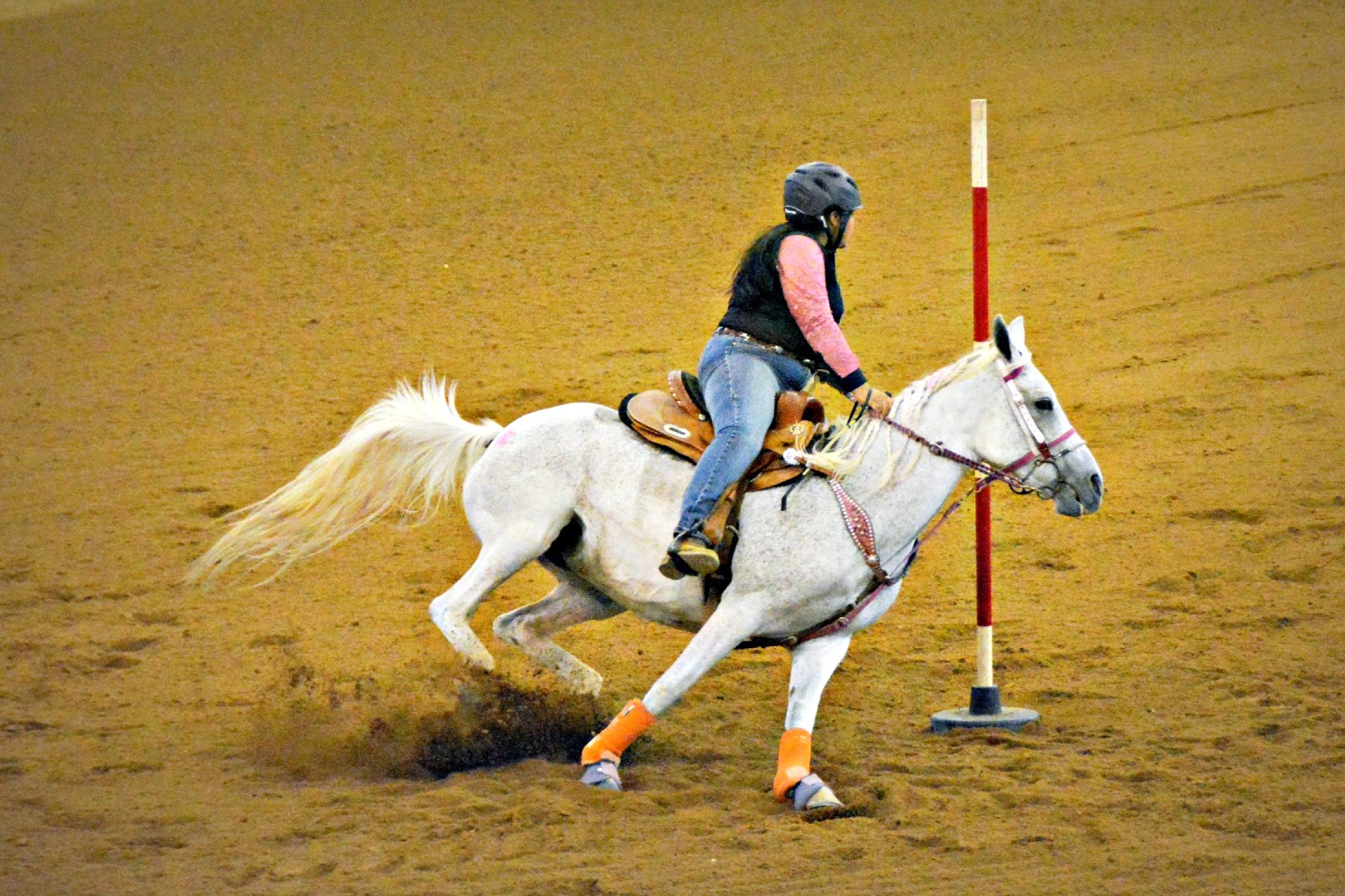
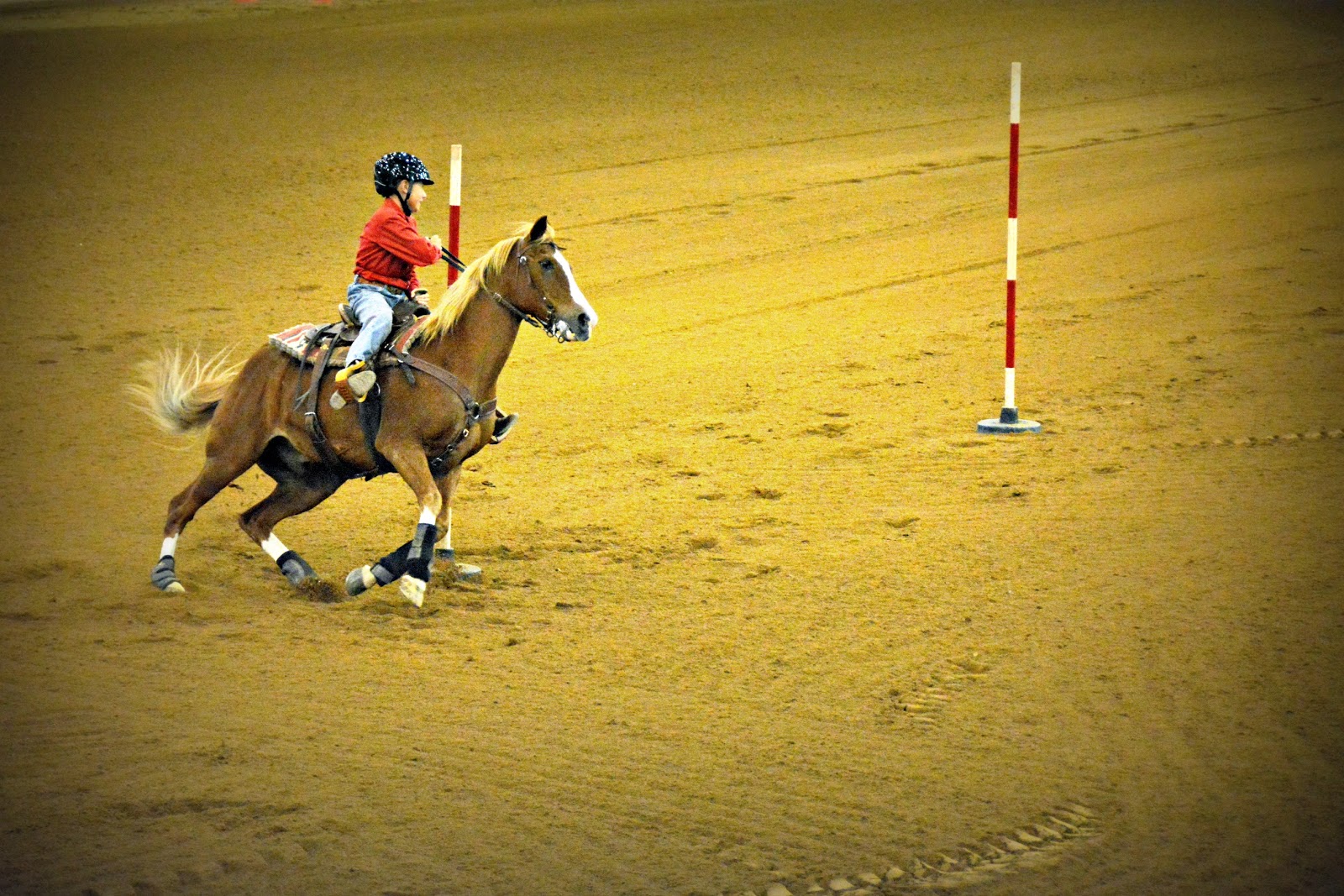
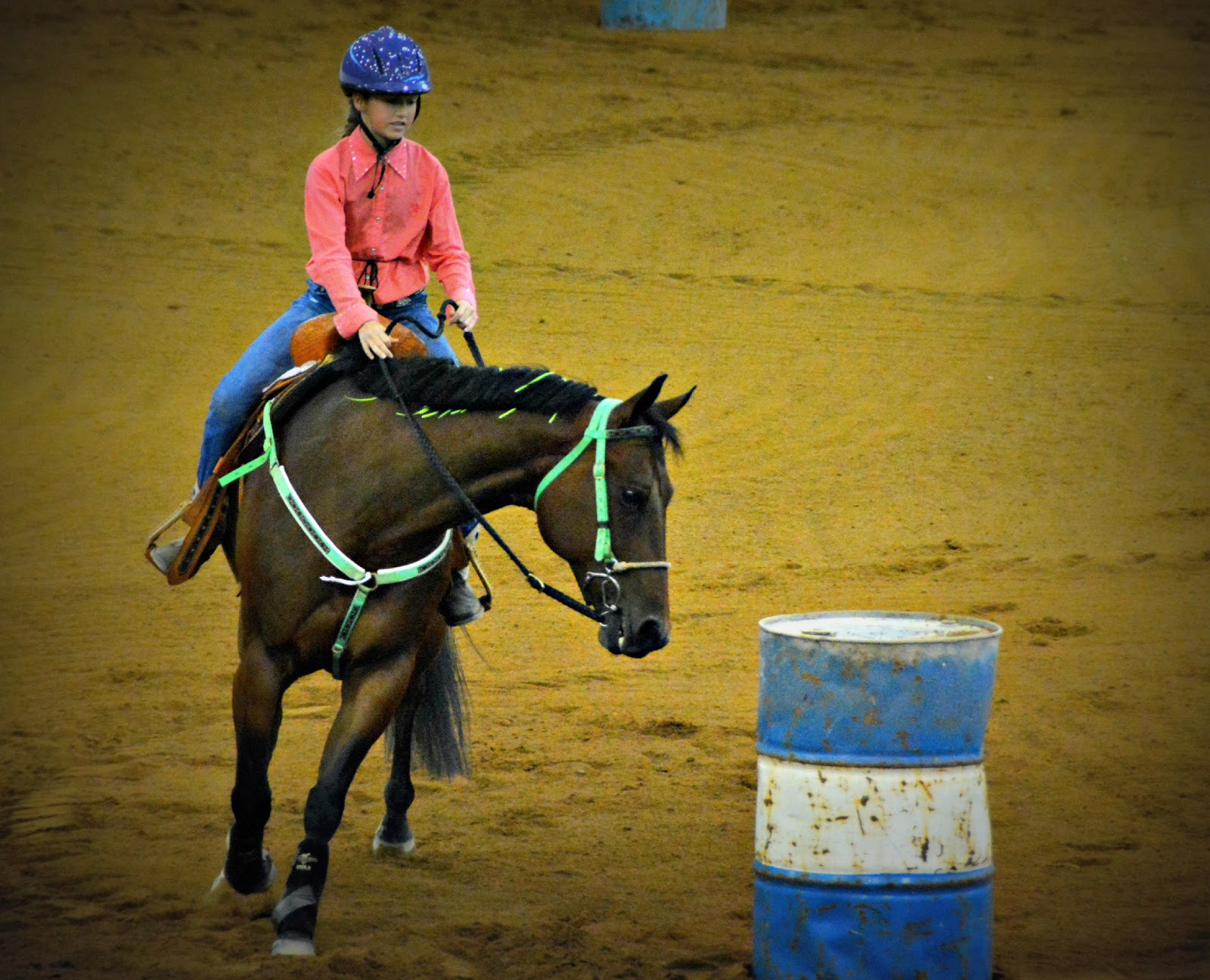
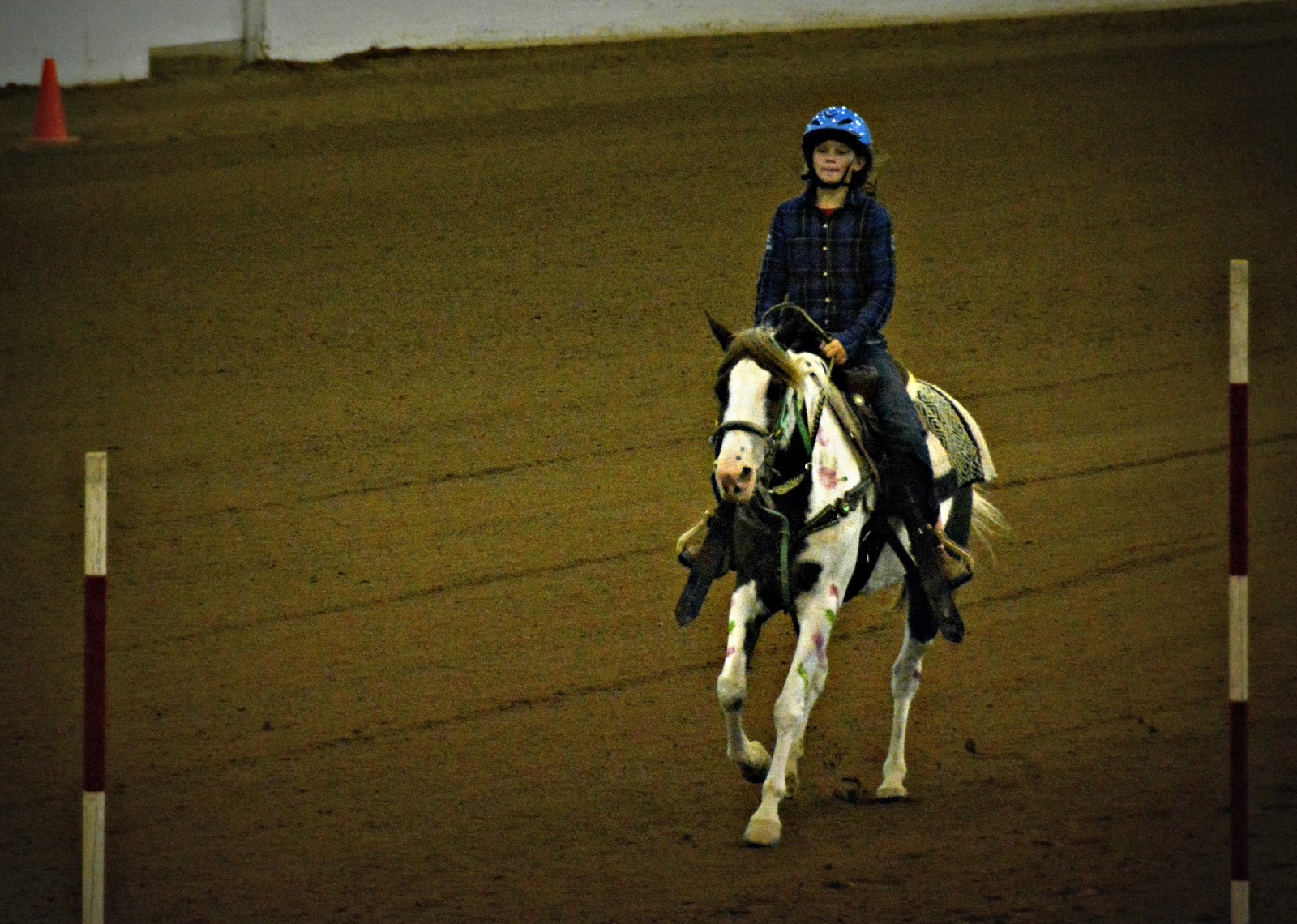
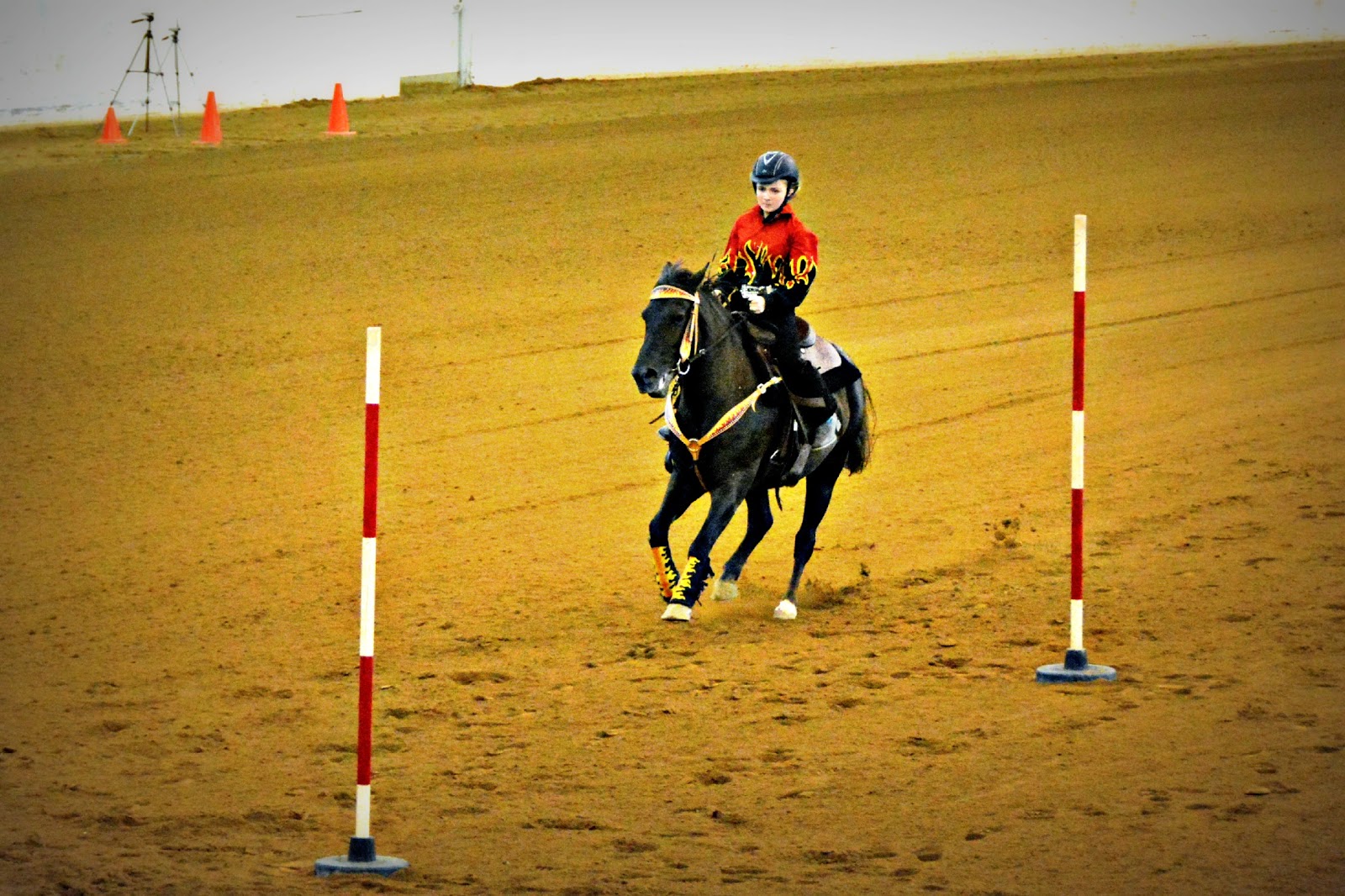
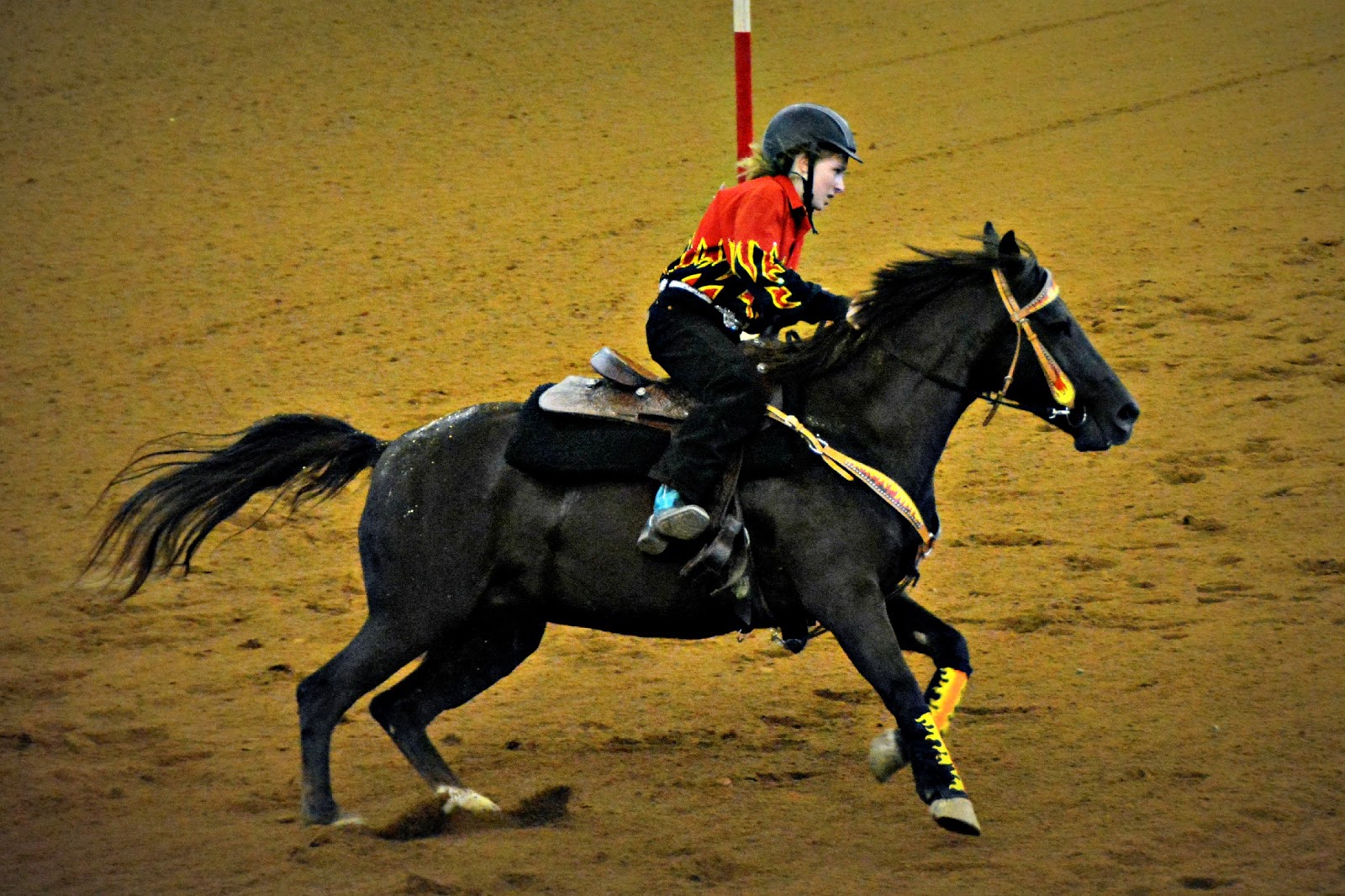
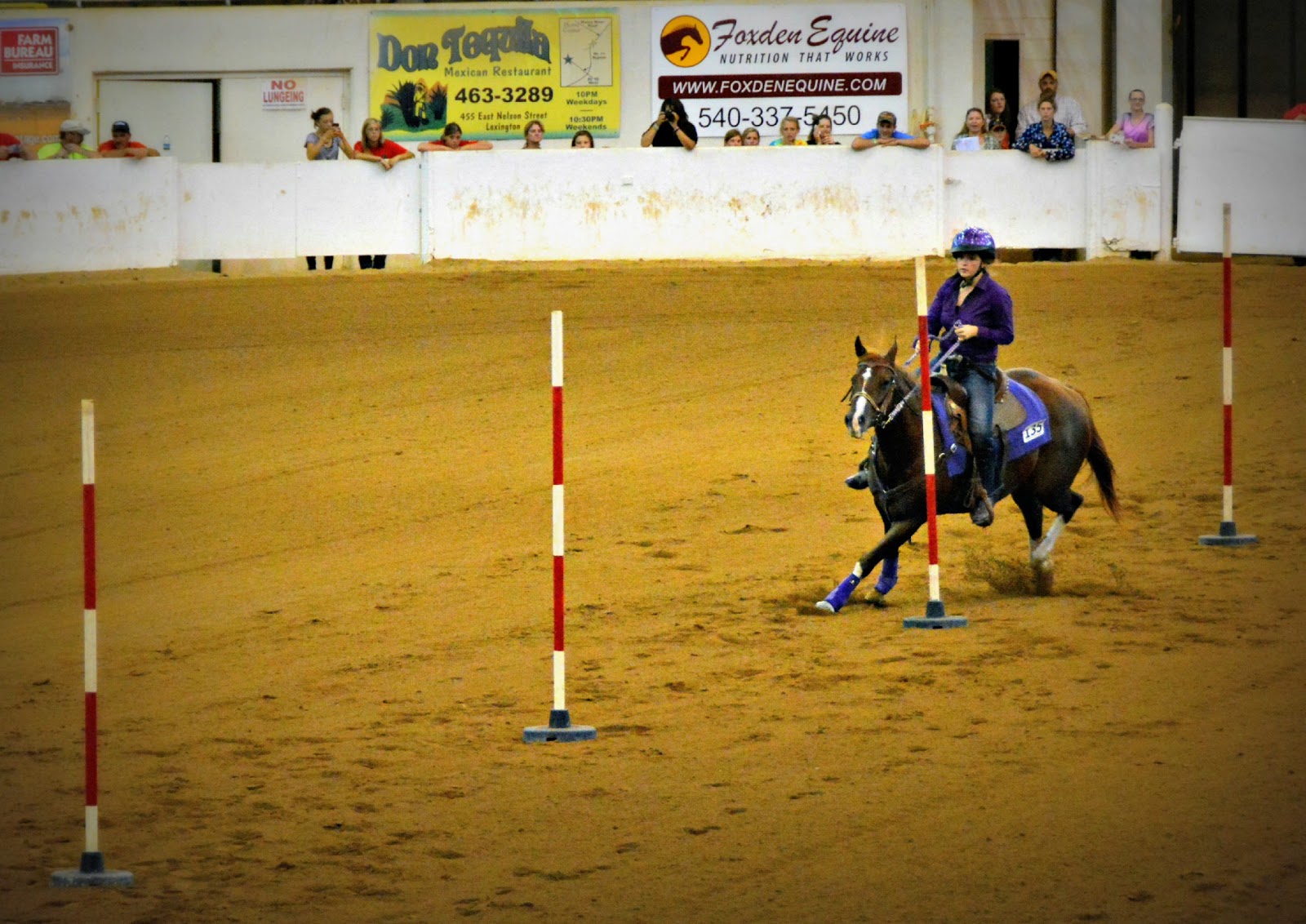
- The American Paint Horse Association World Show is streaming live from Fort Worth, Texas, through Nov. 15 on iEquine.com. Saturday’s classes show plenty of variety with Showmanship, Hunter under Saddle, Barrel Racing, Pole Bending, Halter, and Longe Line all on the schedule. See a full show schedule here.
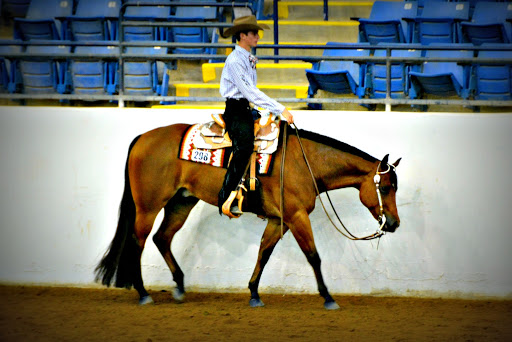
- The American Quarter Horse Association’s World Show begins streaming live from Oklahoma City on Friday, Nov. 7 on iEquine.com. More than 3,610 entries from the United States, Australia, Austria, Belgium, Brazil, Canada, Colombia, Germany, Mexico and Switzerland are competing for 100 world championships. The show opens on Friday with Barrel Racing and Pole Bending preliminaries. Saturday will include more barrels and poles (Finals with World Champions being crowned) and also add working hunter. Sunday will crown world champions in working hunter and jumping classes and Western Riding will hold it’s preliminary. Coverage will continue through Nov. 22. Find a schedule of classes here.
- The U.S. Dressage Finals will be streamed live from Lexington, Kentucky from Friday through Sunday on usefnetwork.com. The national, head-to-head competition showcases competitors in adult-amateur and open divisions, at Training Level through Grand Prix.
LOOK AHEAD
Next spring, save March 21-22 for a clinic by Mary Babick of Knightsbridge Farm in New Jersey. Babick’s students have earned countless state, zone and national championships over the years — from the small pony to the national equitation finals and the junior and amateur-owner jumper divisions. Visit www.swvhja.org/clinics.htm for more information.
Have a show or other horse-related event going on this weekend within an hour of Roanoke, Va? Send it to diane.deffenbaugh@gmail.com to have it included in the weekend roundup of events and be seen by hundreds of readers across the region.




















 Roanoke Equestrian