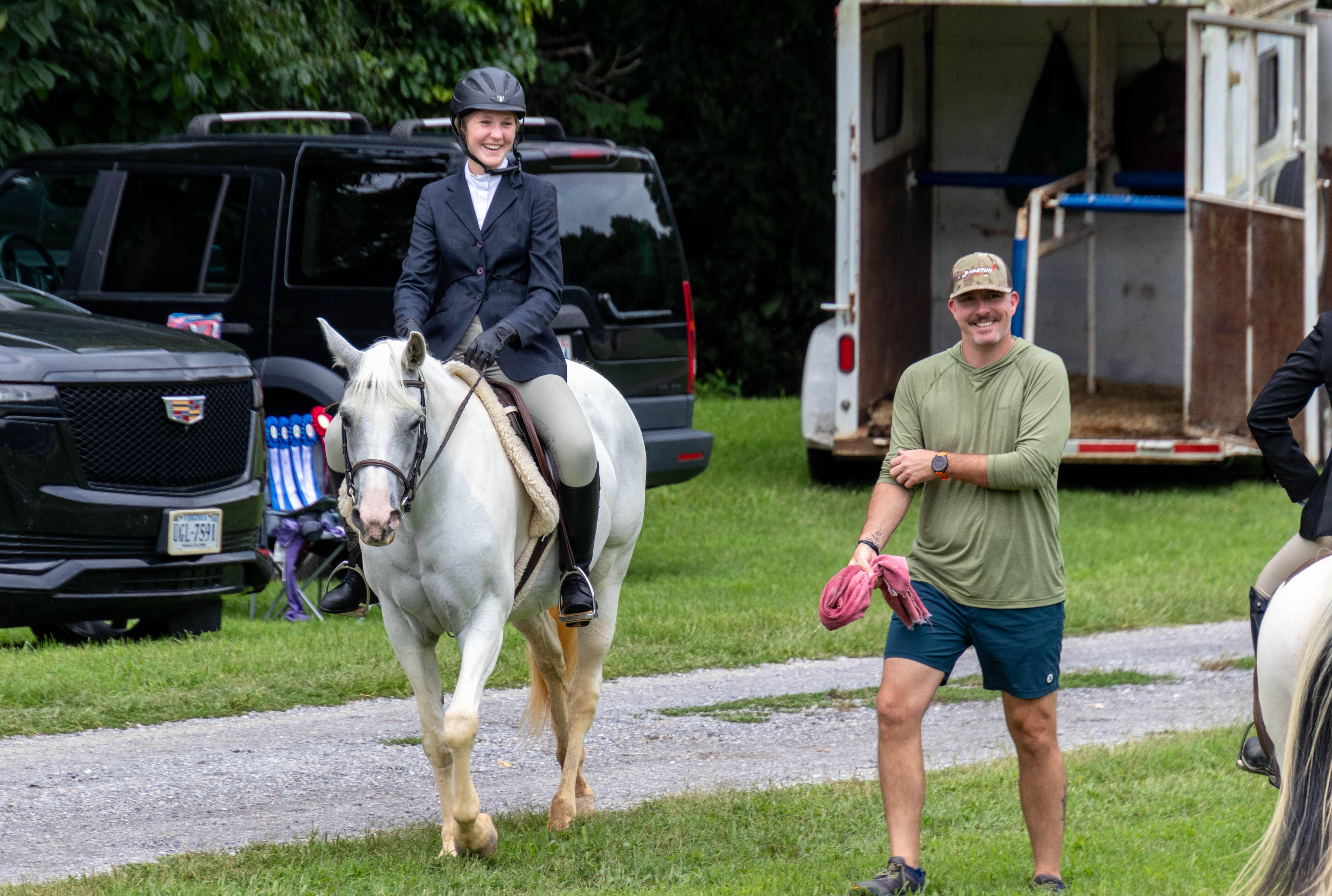
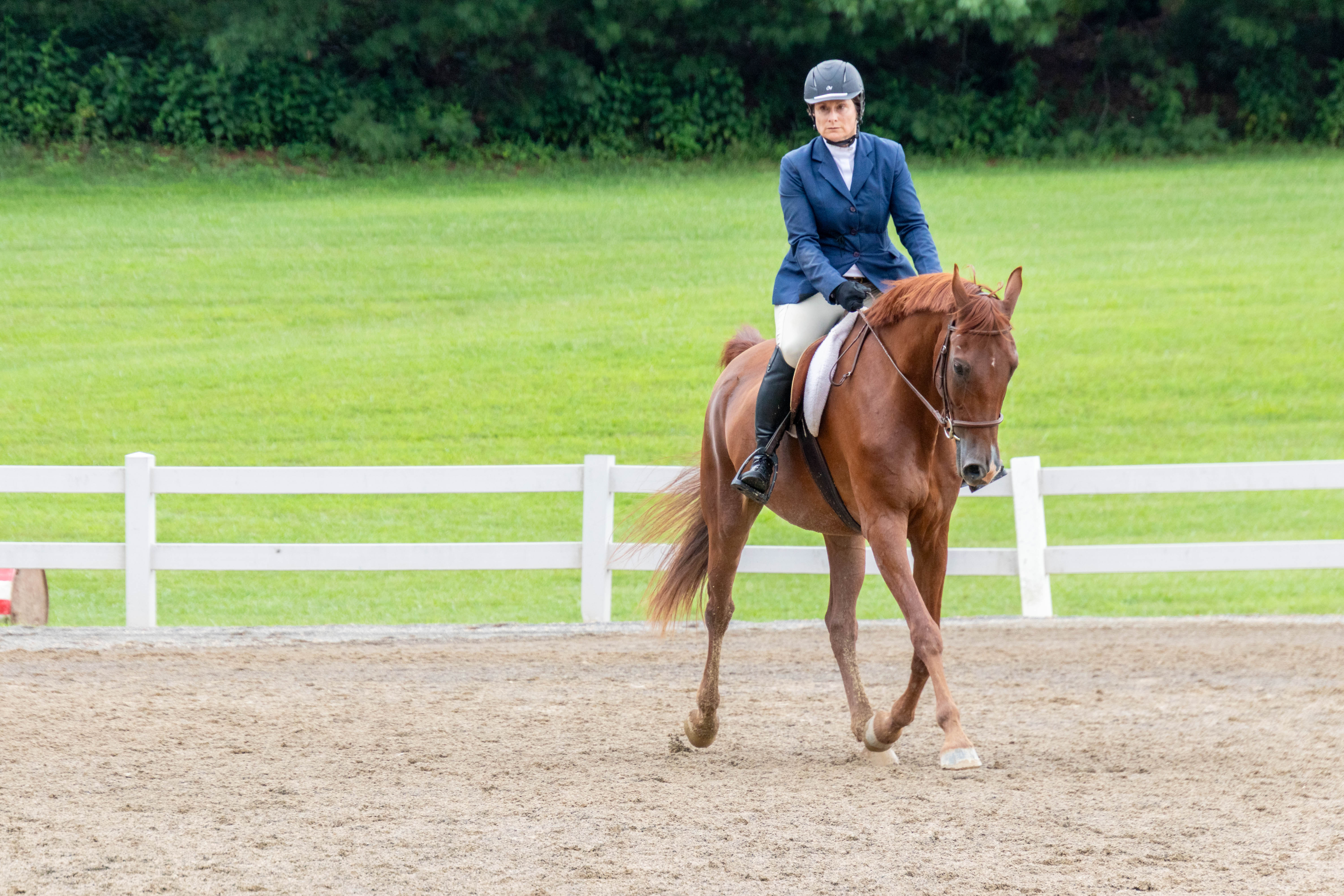
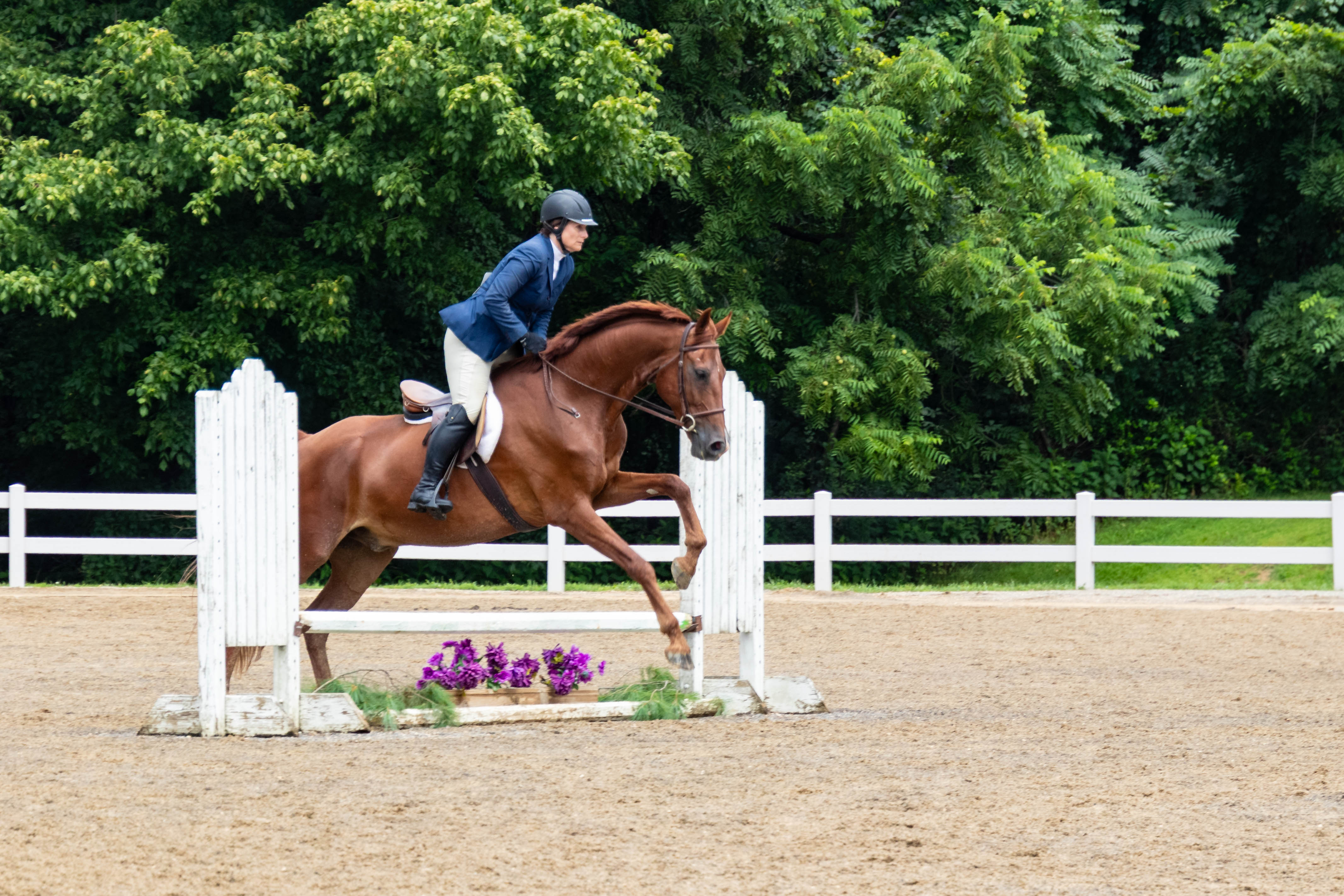
52 pounds of gravel, one Thoroughbred, and a connection that’s inspiring a future veterinarian

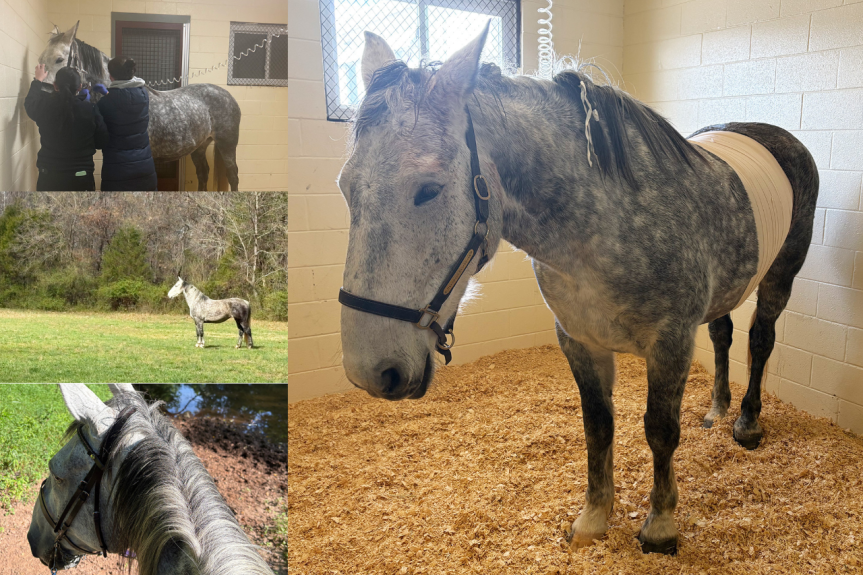
Jasper was on pasture rest for a knee injury. His owners had been carefully feeding him from a bucket, but the Thoroughbred gelding had a habit of knocking his feed over and eating it from the ground. Over time, however, he was getting more than his feed. He was also swallowing gravel. Fifty-two pounds of it.

“Iโ€™ve seen two severe gravel impactions causing complete obstructions, requiring surgery to resolve in the last six years,โ€ said Carla Enriquez, clinical assistant professor of large animal emergency and critical care medicine at the Virginia-Maryland College of Veterinary Medicine. โ€œIt’s not an everyday thing.”โ€ฏ

On a summer morning, owner Gracelyn Bragg arrived at her North Carolina barn to find Jasper colicky.โ€ฏ

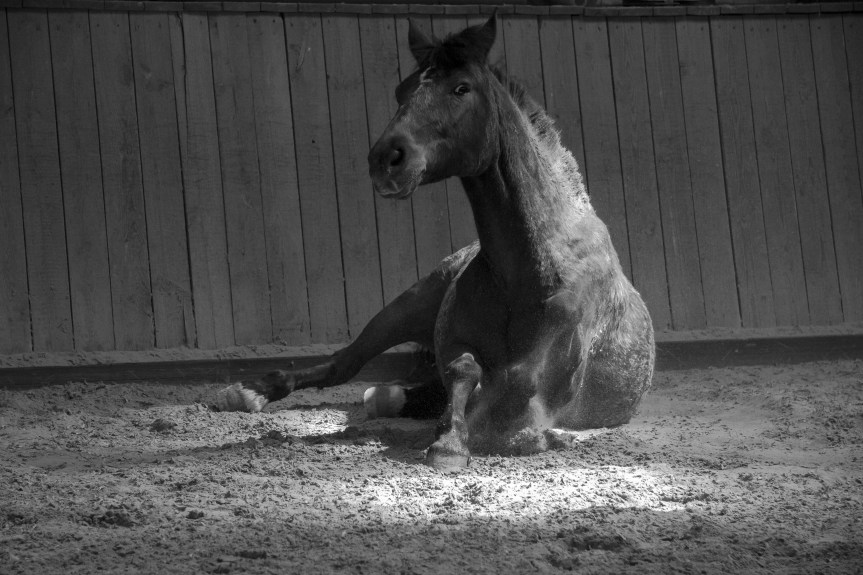
She walked him for hours โ€” 44,000 steps, recorded on her phone โ€” trying to keep him moving. A veterinarian came out, and for a while it seemed like they had turned a corner. Then Jasper went backโ€ฏinโ€ฏthe pasture, went down, andโ€ฏwouldn’tโ€ฏget up.โ€ฏ

When they finally got him to his feet, they knew the window was closing. They loaded him on a trailer and headed to the Veterinary Teaching Hospital at Virginia Tech.โ€ฏ

Their field veterinarian had sedated Jasper heavily before loading him for the two-hour trip, and Enriquez had coordinated with her by phone the whole way.โ€ฏ

When Jasper stepped off the trailer, heโ€ฏimmediatelyโ€ฏtried to lie back down. The team was ready. They had set up in the induction stall โ€” where horses go when they may need to go straight to surgery โ€” and worked him up there.โ€ฏ

“He was blowing through sedation,” Enriquez said. “He was very gassy. Reflux was coming out of his nose, which is not a good signโ€ฏinโ€ฏhorses. They can’t vomit, so when you see that, you know the pressure in his stomach is significant.”โ€ฏ

The blood work came back clean. He was a good surgical candidate. Within a little over an hour of arriving, Jasper was on the table.โ€ฏ

Read the full story…

Irish draft mare survives brutal colic scare

Mona, a 10-year-old Irish Draught mare, is back in regular work, fully recovered from what began as a routine-sounding colic call that escalated into emergency abdominal surgery and a second gastrointestinal scare within days.

Owner Leslie Ralston-Rakowย got her beloved mare regular veterinary care when Mona first started showing colic signs. But despite appropriate veterinary care, her pain returned in the wee hours of the morning.

Ralston-Rakow couldn’t do anything but watch. It was nearly 4 a.m. in late January, with temperatures in the single digits, and Mona was down in her stall, anxious and in pain.

“I felt powerless to help her as she suffered,” Ralston-Rakow said. “All I could do was get her to the right people who could help, even if it was at 4 a.m. in the middle of a brutal cold snap.”

That call sent Mona to theย Marion duPont Scott Equine Medical Centerย in Leesburg, one of three animal care facilities run by theย Virginia-Maryland College of Veterinary Medicine. What followed was a weeklong fight against a colon impaction that twisted into a life-threatening displacement, and a slow but successful recovery.ย 

Read more….

Horse emergency? Be ready to haul

Large animal veterinarians are already in short supply, and for horse owners in our region, that crunch just got a little tighter.

If you rely on Equine Field Services through Virginia Tech, thereโ€™s an important update to how after-hours emergencies will be handled. Most after-hours equine emergencies will now require hauling your horse to the Veterinary Teaching Hospital.

Whatโ€™s changing?

To improve response time and care, all emergency calls after 4 p.m., as well as weekends and holidays, will be handled at the hospital rather than on the farm.

That means if your horse has an emergency, youโ€™ll be asked to bring them directly to the VTH, where a full team and hospital resources are immediately available.

The emergency fee for hauling in will be $80 for Equine Field Services clients.

Why the shift?

This change is coming from a few realities many of us in the horse world are already feeling:

  • Fewer field service veterinarians available.
  • A growing number of emergency calls.
  • The need to get horses seen and treated as quickly as possible.

By centralizing after-hours care at the hospital, the goal is to:

  • Reduce wait times in critical situations.
  • Provide faster access to diagnostics and treatment.
  • Support the sustainability and well-being of the veterinary team.

What if you canโ€™t haul?

They understand that hauling isnโ€™t always possible.

If a veterinarian determines that your horse cannot be safely transported, on-farm emergency care will still be available. However, there is an increased cost:

  • On-farm ER fee: $175
  • (This is in addition to standard emergency and trip fees)

What this means for horse owners

This is one of those changes that may take a little adjustment, especially if youโ€™re used to farm calls for emergencies. But in many cases, getting your horse to a hospital setting faster can make a real difference in outcomes.

Itโ€™s also a good reminder to:

  • Have a trailer plan in place.
  • Know who you can call to help haul in an emergency.
  • Keep emergency contacts easily accessible.

5 things I learned at my first Equine Trail Sports competition

Last weekend, I rode in my very first Equine Trail Sports (ETS) obstacle trail competition at Green Hill Park Equestrian Center in Salem, Virginia โ€” and wow, what an experience! I showed up not knowing exactly what to expect, but I left with new friends, new skills to work on, and a lot of respect for this sport.

If youโ€™ve ever thought about trying ETS, here are five things I learned that might help you get started:

1. The community is incredibly welcoming.

The organization touts it’s a friendly group, and they weren’t kidding. From the organizers to the competitors, everyone I met was friendly and encouraging. I didnโ€™t come with any riding buddies, but that wasnโ€™t a problem โ€” they found me a group, and by the end of the day I had a whole new circle of horse friends. All along the trail and back in camp, everyone was quick to say hello and chat, and offer support.

The event begins and ends with a riders meeting where riders enthusiastically applaud their fellow competitors and their accomplishments as well as the judges who give their time to make the event possible. Obstacle shout outs from each judge even give some recognition to riders who really impressed the judge, not because of their score, but because of their horsemanship.

2. You choose your own challenge level at each obstacle.

One of the best things about ETS is that you decide what level to ride โ€” right there, at each obstacle. Maybe your horse is relaxed and focused, so you tackle an Advanced challenge. Or maybe nerves are creeping in, and you dial it back to Level 1. Nobody judges you for your choice. Itโ€™s all about building confidence for you and your horse.

I started my day tackling a “Water the Flowers” obstacle as a Level 1 (Novice). That called for leading your horse up to a barrel with flowers sitting on top, picking up a watering can, and “watering” the flowers before setting the watering can back down and standing for 3 seconds before walking away. Pretty elementary, right? But the next level up called for ground tying your horse and walking away. I knew my horse, particularly at the very first obstacle, was going to try to follow me. I loved that I wasn’t forced to have her do something I knew she was about to fail at.

However, later along the trail, an obstacle came up that was similar to a horsemanship pattern you might see in a horse show. Having some experience in that, we rode as a Level 3.

That flexibility was priceless along the trail to set yourself up for success each and every time and building confidence in your horse along the way.

All disciplines and styles of riding our welcome!

3. Core skills come up again and again.

At this competition, the big three were:

  • Yielding the hind quarters or pivoting on the forehand.
  • Sidepassing.
  • Steering

For example, one obstacle required us to ride to a cone, yield the hindquarters 90 degrees and sidepass 5 steps. Another required the rider to place the horse’s front feet at the center of 3 poles arranged in a pinwheel pattern, then yield the hindquarters either to the first pole, or all the way around.

Several obstacles also required very tight turns, sometimes stepping over poles and sometimes going around cones in a figure-eight pattern.

4. Expect lots of poles โ€” and tight setups.

Youโ€™ll ride over poles forward and sideways, sometimes in quick succession. The obstacles are designed so that maneuvers are close together. Your horse needs to be sharp and responsive to your aids. One โ€œslingshotโ€ obstacle tested that perfectly: you had to back your horse five steps, then immediately pick up a rising trot for exactly the same distance, before stopping again at the cone โ€” and repeating the sequence.

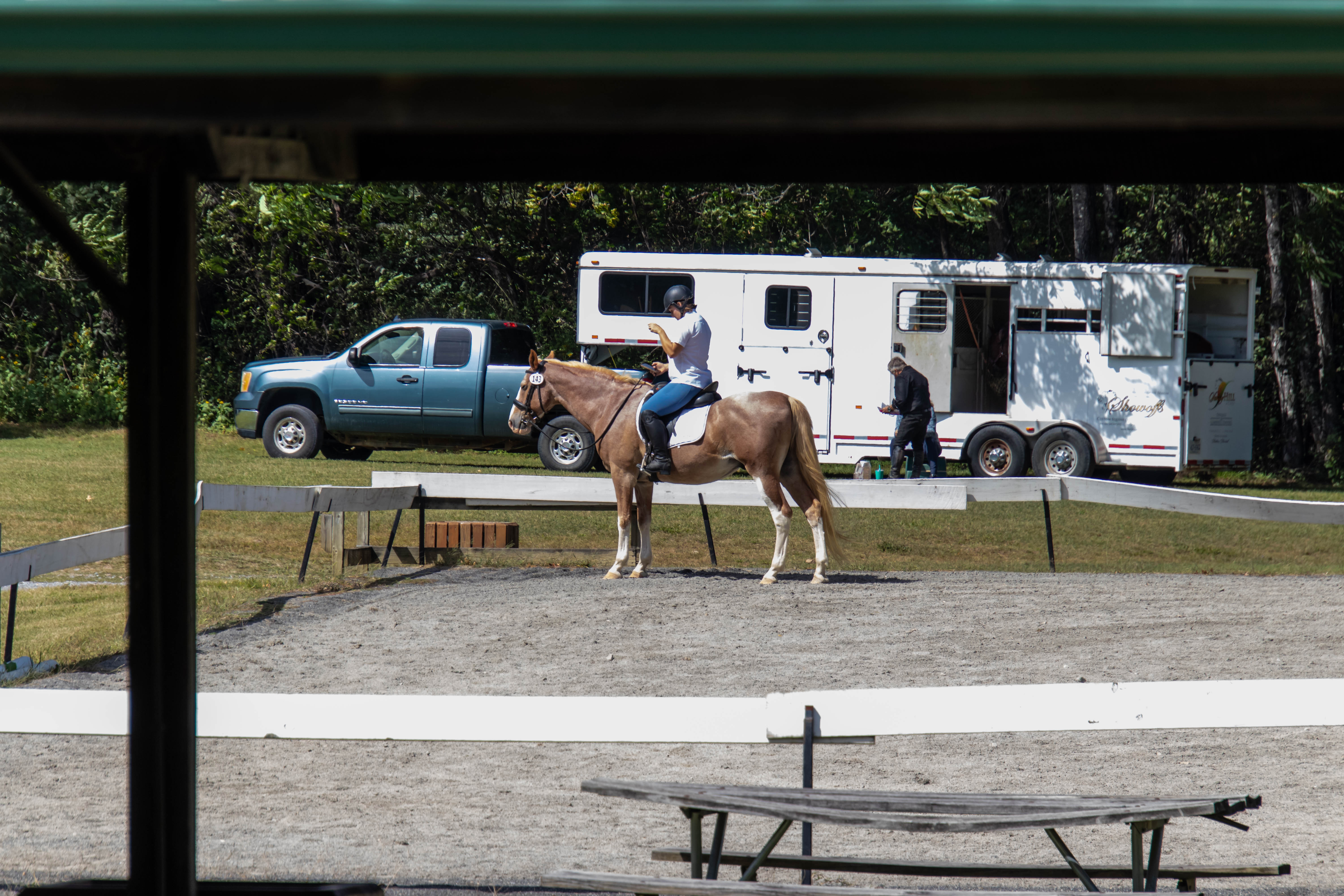
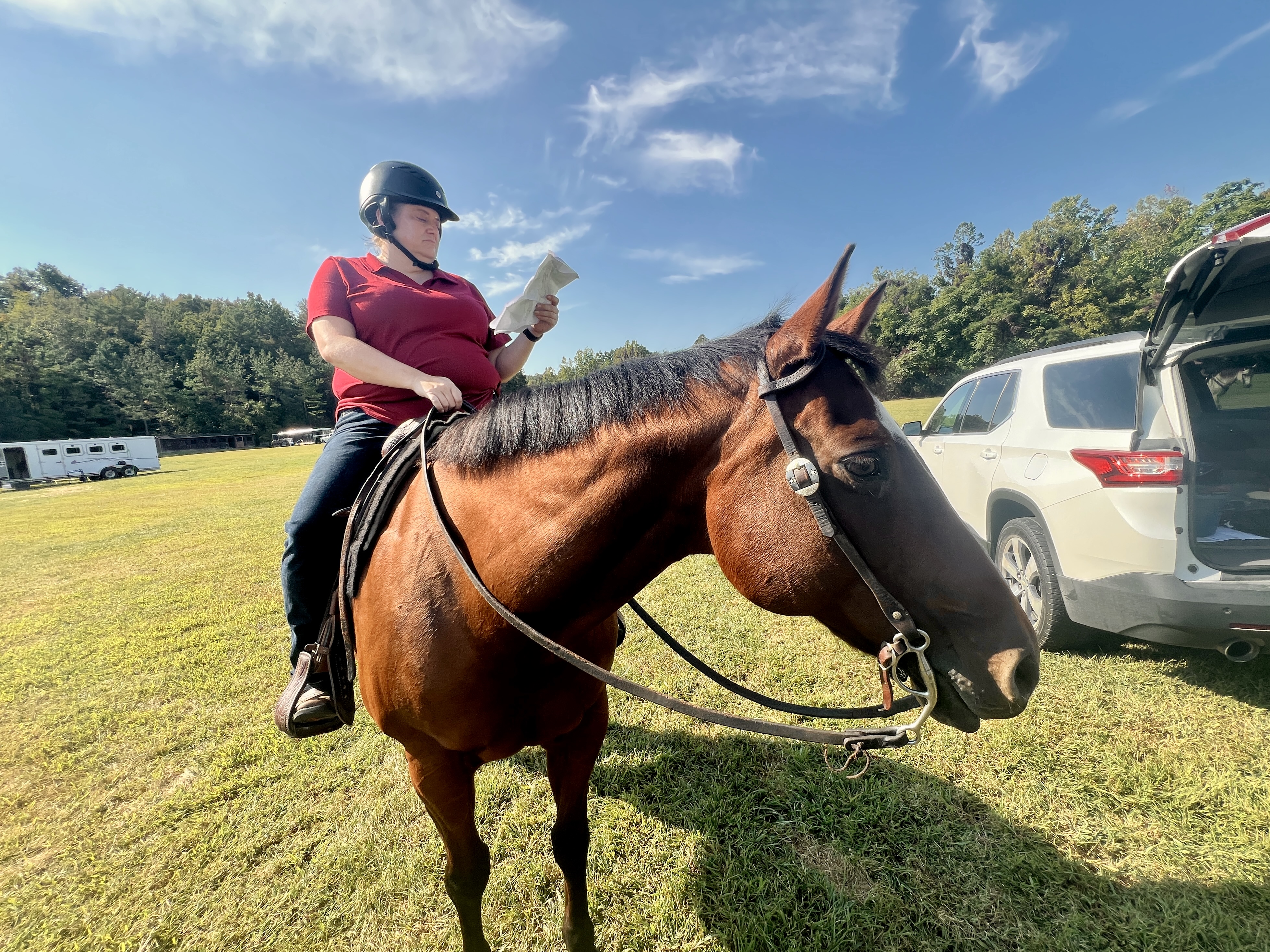
A woman sits on a bay horse in a Western saddle while reading a paper printout.
Reading the list of obstacles before hitting the trail.

5. Your memory and coordination will be tested, too.

This isnโ€™t just about your horseโ€™s skills โ€” youโ€™ll be challenged, too! At one obstacle, riders had to jog their horse in-hand while swinging a pool noodle over their head. (Level 3) I sure hope that no one got any video of that particular maneuver as I am positive it was not graceful on my part!

Riders get a printout with instructions for each obstacle, but the patterns sometimes are hard to comprehend until you see the obstacle in person. Thankfully, the judge also explains everything before you start each obstacle, which really helps.

For my horse and me, the hardest obstacle was the pedestal in which the horse was required to put their front feet up on about a 3’x3′ wooden box, which I’d guess was about 18 inches high (Level 1), placed in the arena. Level 2 required the rider to go over the box completely. And Level 3 required the rider to stop with the hind feet still on the box.

My favorite obstacle was a circle of six cones that required the rider to ride in a figure-eight pattern. I loved it because it gave my horse a little extended time to focus and get in a rhythm and show off her training for more than a step or two.

Interested? Another Equine Trail Sports event will be held Oct. 4 at Twin J in Bedford to complete the 2025 Blue Ridge Buckle Series.

The ride wound through the cross-country course at Green Hill Park in Salem, Virginia. It took about 2 hours to complete the entire course.

Emergency large animal vet added to Virginia Tech’s Vet-Med team

Horse owners in Southwest Virginia and adjacent states have faced the same nightmare: Their animal colicking at midnight with nowhere to turn or calling their regular vet only to learn they’re already handling another emergency two counties away.

Without dedicated emergency coverage, faculty veterinarians have been pulling double duty โ€” handling scheduled appointments during the day and then working through the night when emergencies arise. By morning, they’re exhausted and still have a full day of teaching and regular cases ahead.

“It’s been difficult for the faculty to absorb that need while maintaining the daytime services, the teaching services, and the research enterprise,” said Byron.

The human cost is real, but so is the suffering of animals. Every delay means more pain for horses with colic, more risk for mares having difficult births, and more anxiety for owners watching their animals in distress.

Carla Enriquez has become the cornerstone of a new dedicated emergency service to fill a gap for Southwest Virginia’s large animal community.

She earned her veterinary degree from Universidad San Francisco de Quito in Ecudor, where she grew up, in 2019. Enriquez then headed to the U.S. for advanced training โ€” first an internship at the University of Tennessee, then a large animal internal medicine residency at New Bolton Center, University of Pennsylvania.

After finishing her residency, Enriquez was looking for more. ‘As a resident, I always wanted to be a fellow and gain that extra knowledge,’ she said.

She pursued an emergency and critical care fellowship โ€” two additional years of specialized training that’s still uncommon in veterinary medicine. Most veterinarians stop after pursuing one specialty due to the time, physical, and financial demands involved. Think of it as becoming a specialist within a specialty.

“The fellowship was basically like an emergency surgery residency for me,” she explained. “Coming from an internal medicine background, my goal was training in soft tissue emergency surgery and critical care by a team  of double boarded specialists in a busy emergency service .”

The result? She can handle the complex medical puzzles, infectious diseases, neonate care, ophthalmic emergencies and the surgical emergencies that walk through the door at 2 a.m. Whether it’s colic surgery, a C-section, or severe laceration, she brings both the internal medicine knowledge and surgical skills that emergencies demand.

In 2024, she became board-certified in large animal internal medicine. This August, she’ll sit for her emergency and critical care boards. Success would make her one of the few veterinarians nationwide with expertise in both areas โ€” the perfect match for round-the-clock emergency work that demands both diagnostic depth and surgical speed.

According to available data from veterinary specialty boards, there are over 1,000 diplomates of the American College of Veterinary Emergency and Critical Care (ACVECC) in the United States, and several hundred board-certified large animal internal medicine specialists in North America. Holding board certification in both of these specialties is extremely uncommon, and it is widely considered to be rare, with only a small number of veterinarians likely to hold both credentials, and very few specializing in large animal species.

Enriquez isn’t starting from scratch. A veterinary college hospital in Northern Virginia has already demonstrated that this model is effective.

In 2023, the Marion duPont Scott Equine Medical Center in Leesburg introduced a dedicated emergency and critical care team that’s changing lives for Northern Virginia horse owners. Colic cases that once might have been lost to time delays now get immediate surgical intervention. Foaling emergencies get expert attention within the critical first hour.

The model is simple yet revolutionary: dedicated emergency veterinarians who have chosen this specialty are available when a crisis strikes โ€” no more interrupting scheduled appointments. No more asking daytime clinicians to work all night, then show up the next morning.

Now, that same life-saving approach is coming to Blacksburg.

Enriquez will begin providing emergency services this fall as part of the college’s new program, starting with nights, weekends, and holidays โ€” the times when emergencies can’t wait until morning. A second emergency clinician will also be joining the team this fall, allowing the service to launch fully staffed. “My goal is to help establish the emergency service here, which is down the line, going to act like a 24-hour service,” she said. “So, if you as a client or referring veterinarian have an emergency, you call the front desk, and they will direct you to one of the emergency clinicians.”

The plan mirrors what’s working in Leesburg. Eventually, students and residents will rotate through the emergency service, learning from veterinarians who chose this specialty. Details on referral protocols and service access will be announced as the launch date approaches.

Enriquez’s position exists because of a generous donation by animal advocates Karen Waldron and Shawn Ricci.

Their $4 million gift to the Veterinary Teaching Hospital is making two emergency positions possible โ€” one for large animals, one for small animals.

“The ability to begin our emergency service with two dedicated faculty changes everything for large animal care because that allows us to position a dedicated service focused exclusively on emergency and critical care,” Byron explains. “Having dedicated emergency coverage means our other faculty can focus on their scheduled cases, teaching, and research without the constant worry of being called away for emergencies. It’s going to dramatically improve both the quality of our services and our faculty’s work-life balance.”

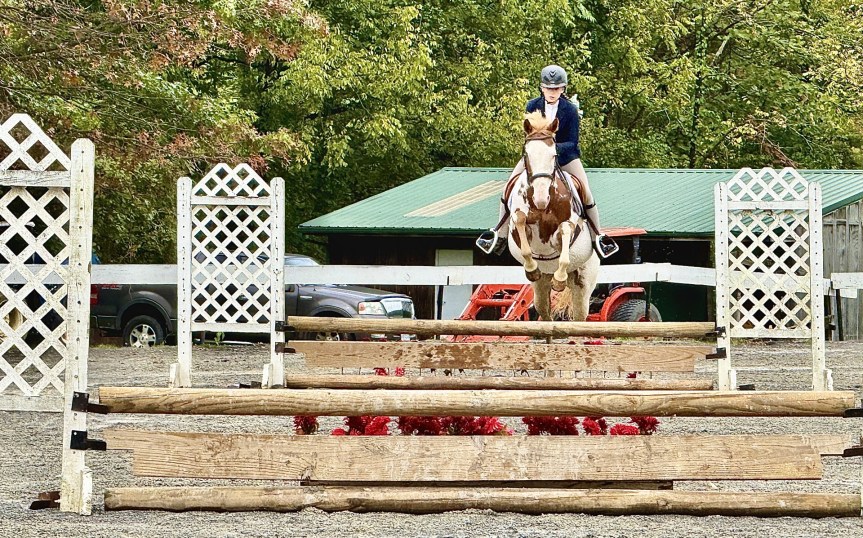
Cool weather, warm spirits at the Roanoke Valley Horsemanโ€™s Association Community Horse Show

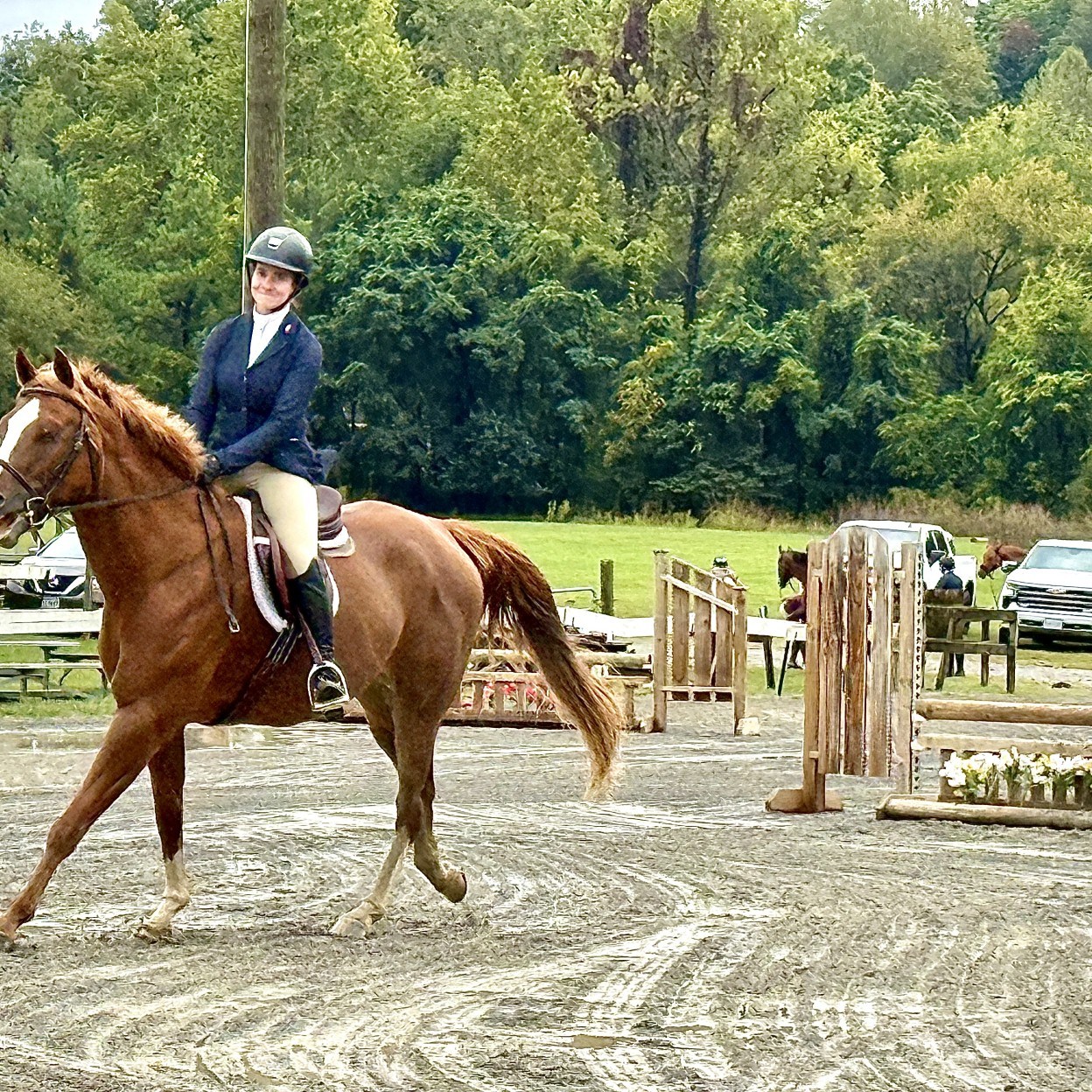
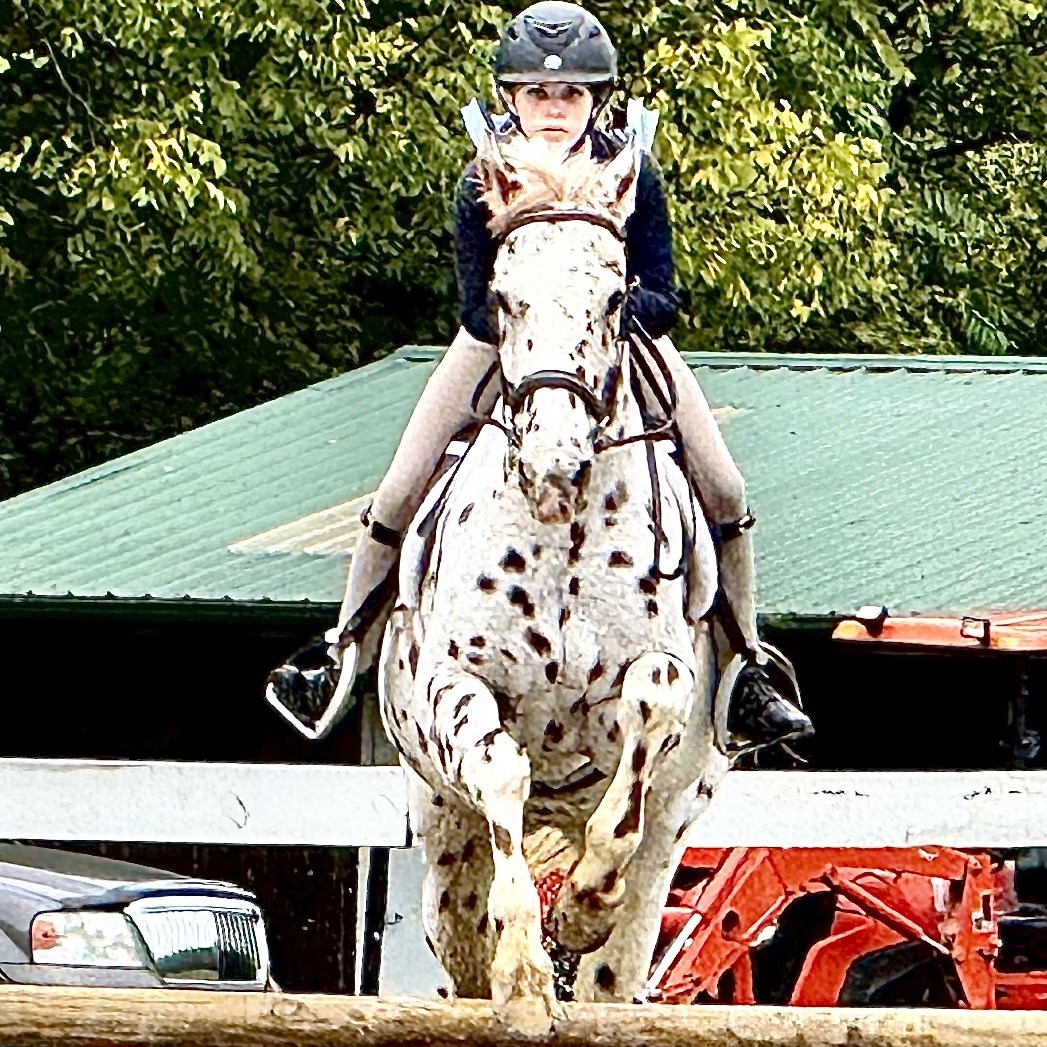
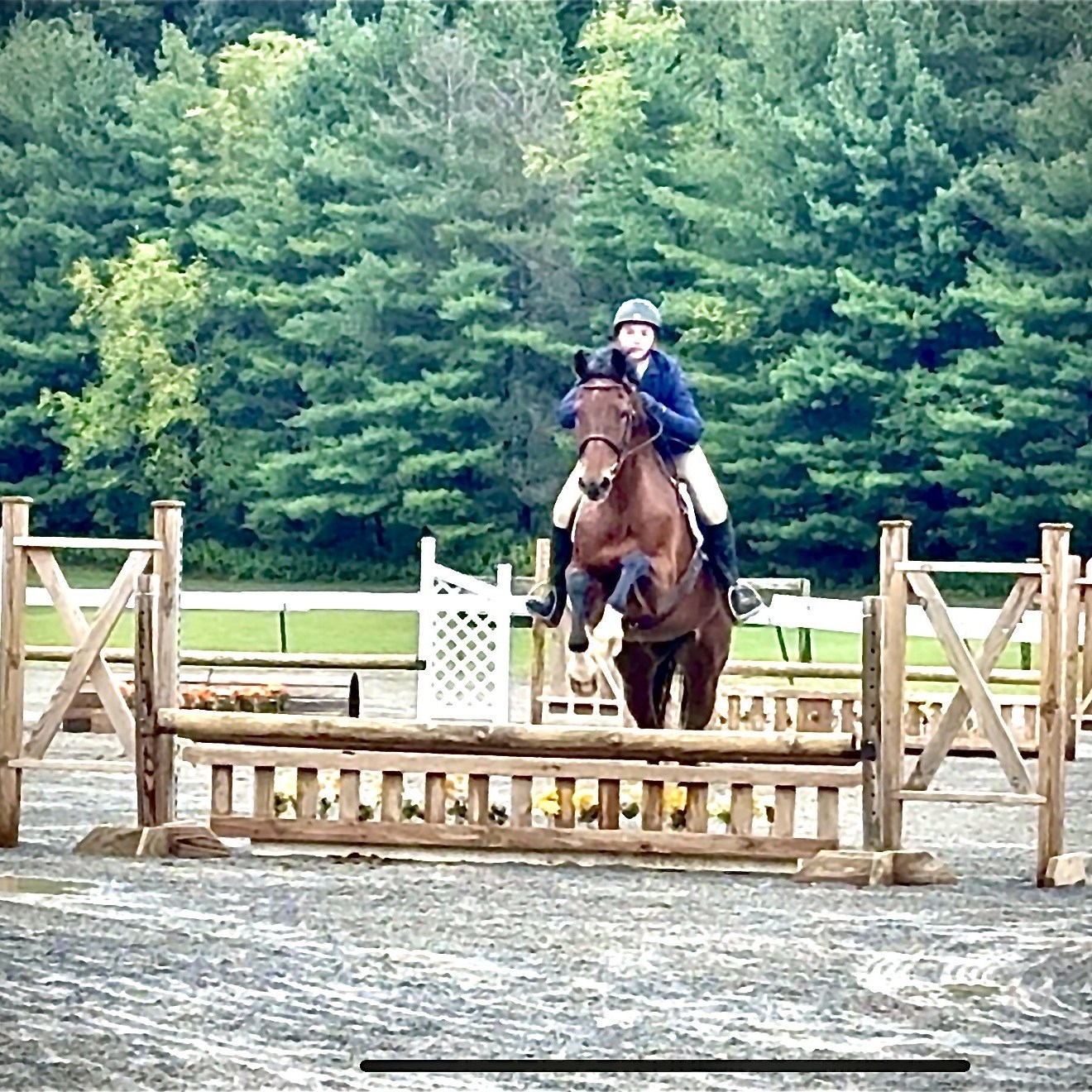
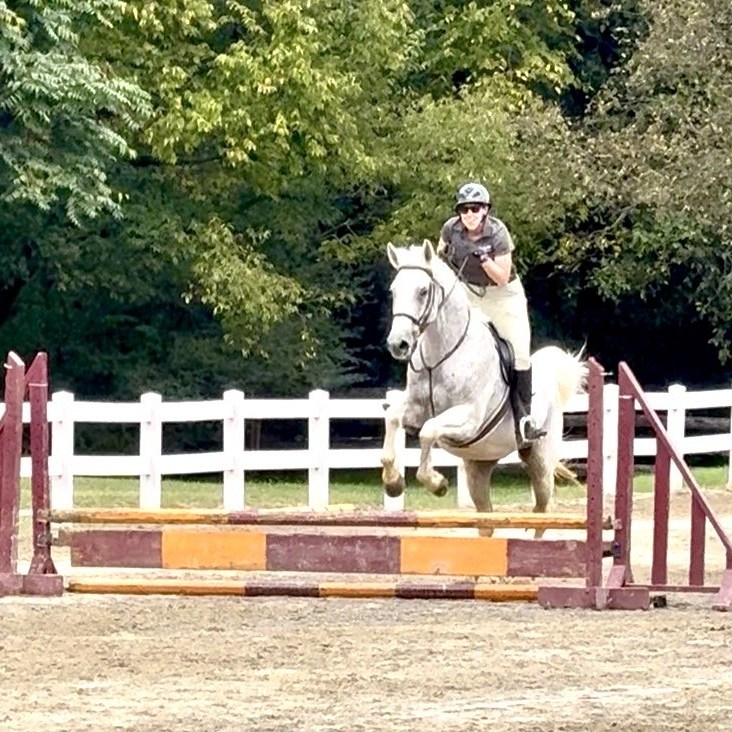
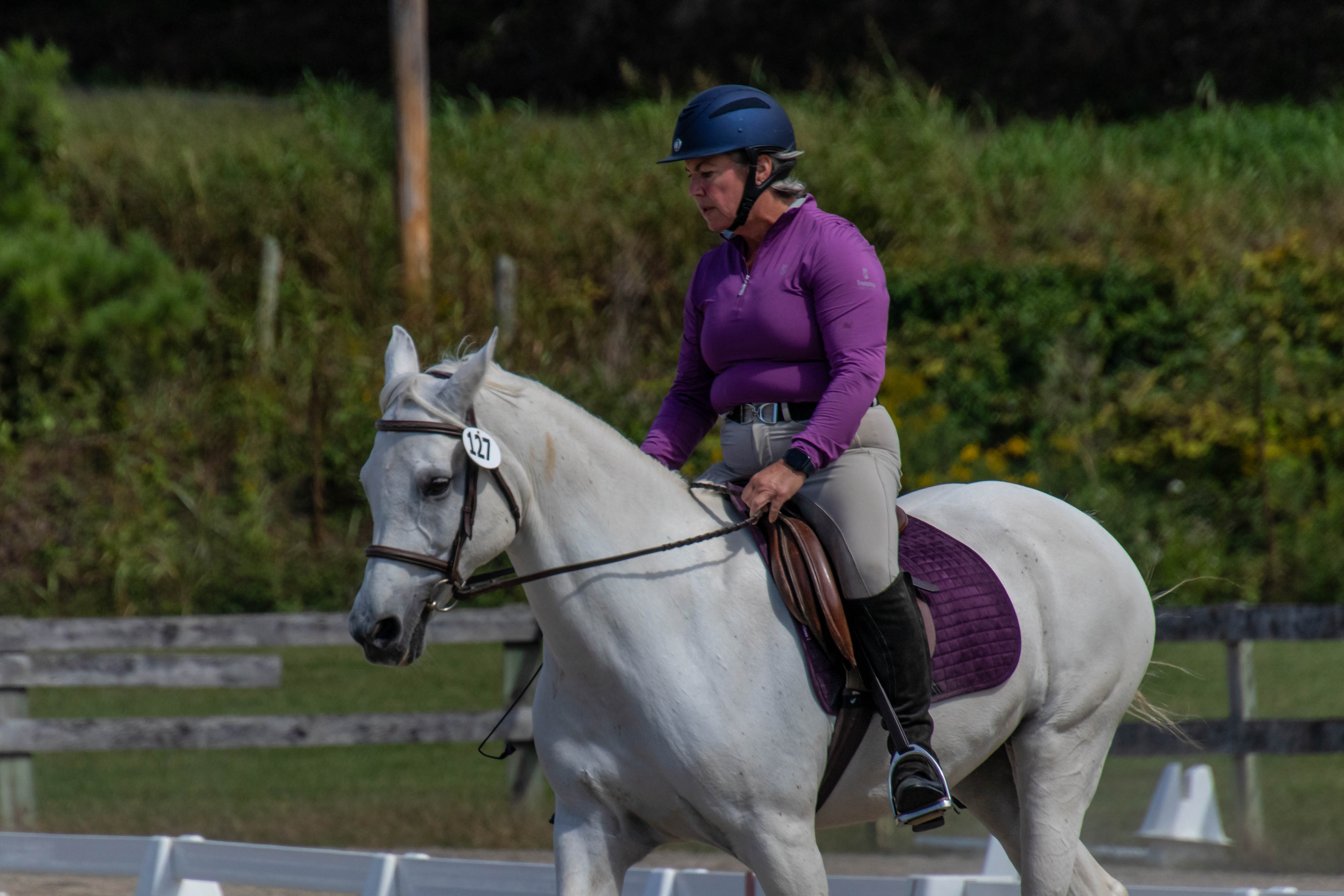
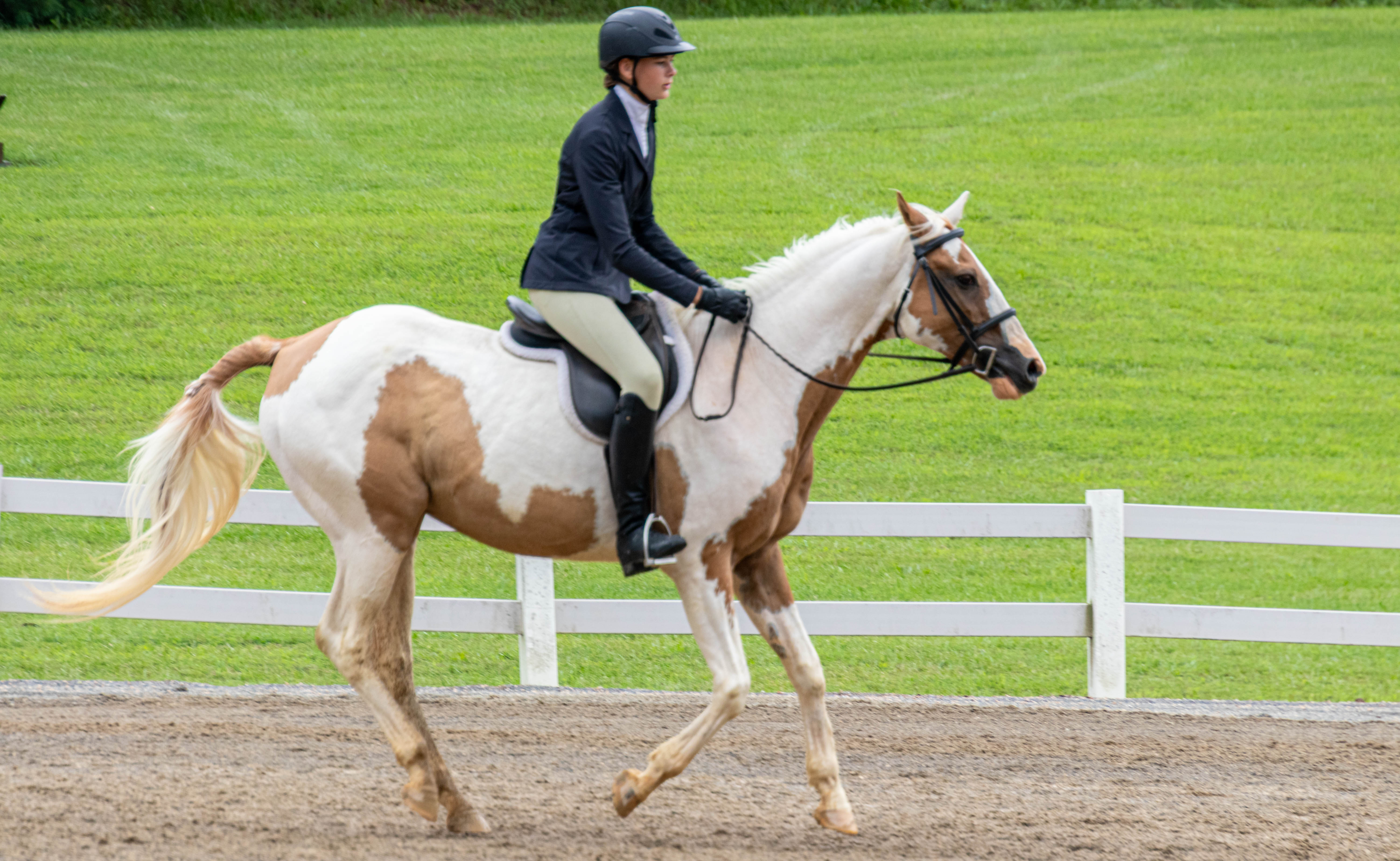
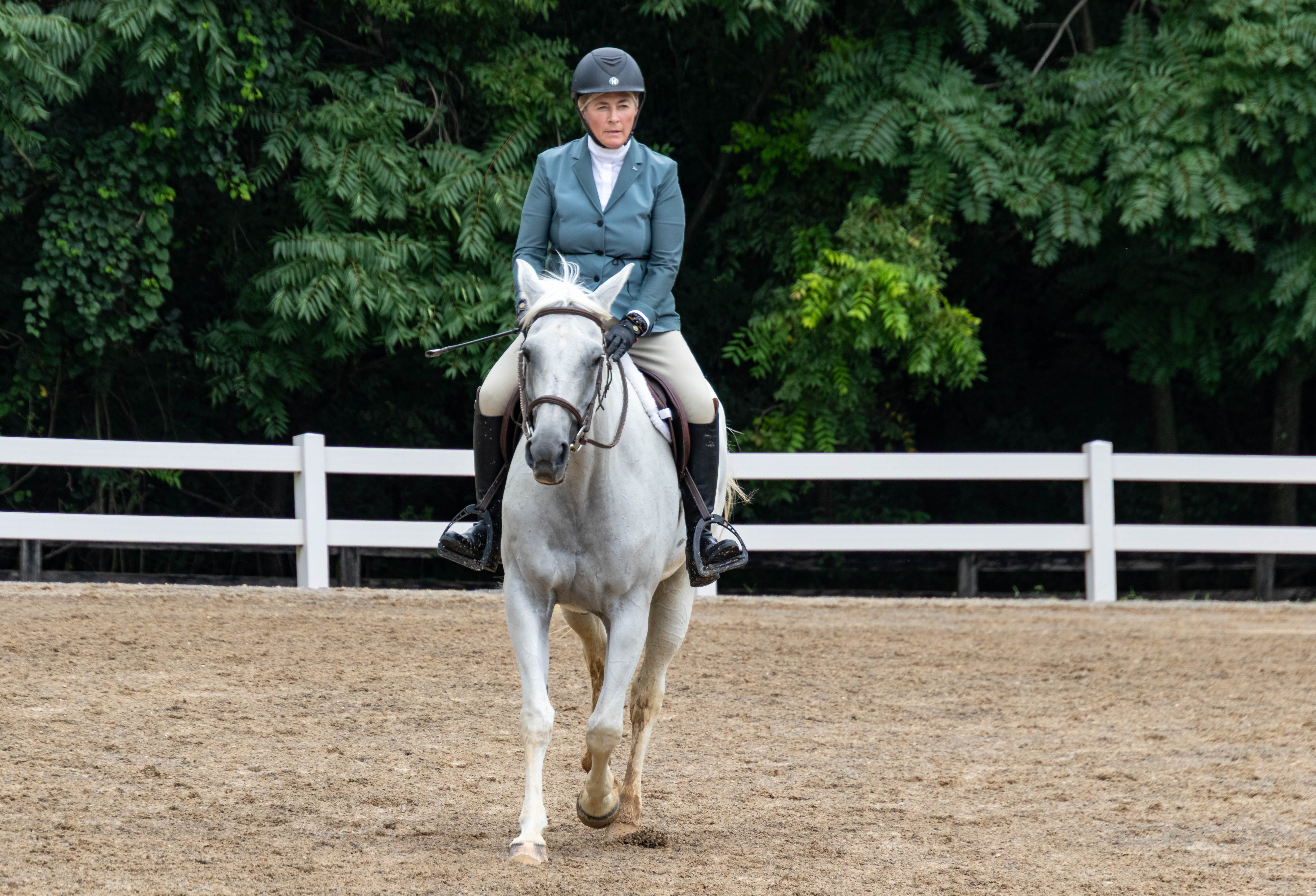
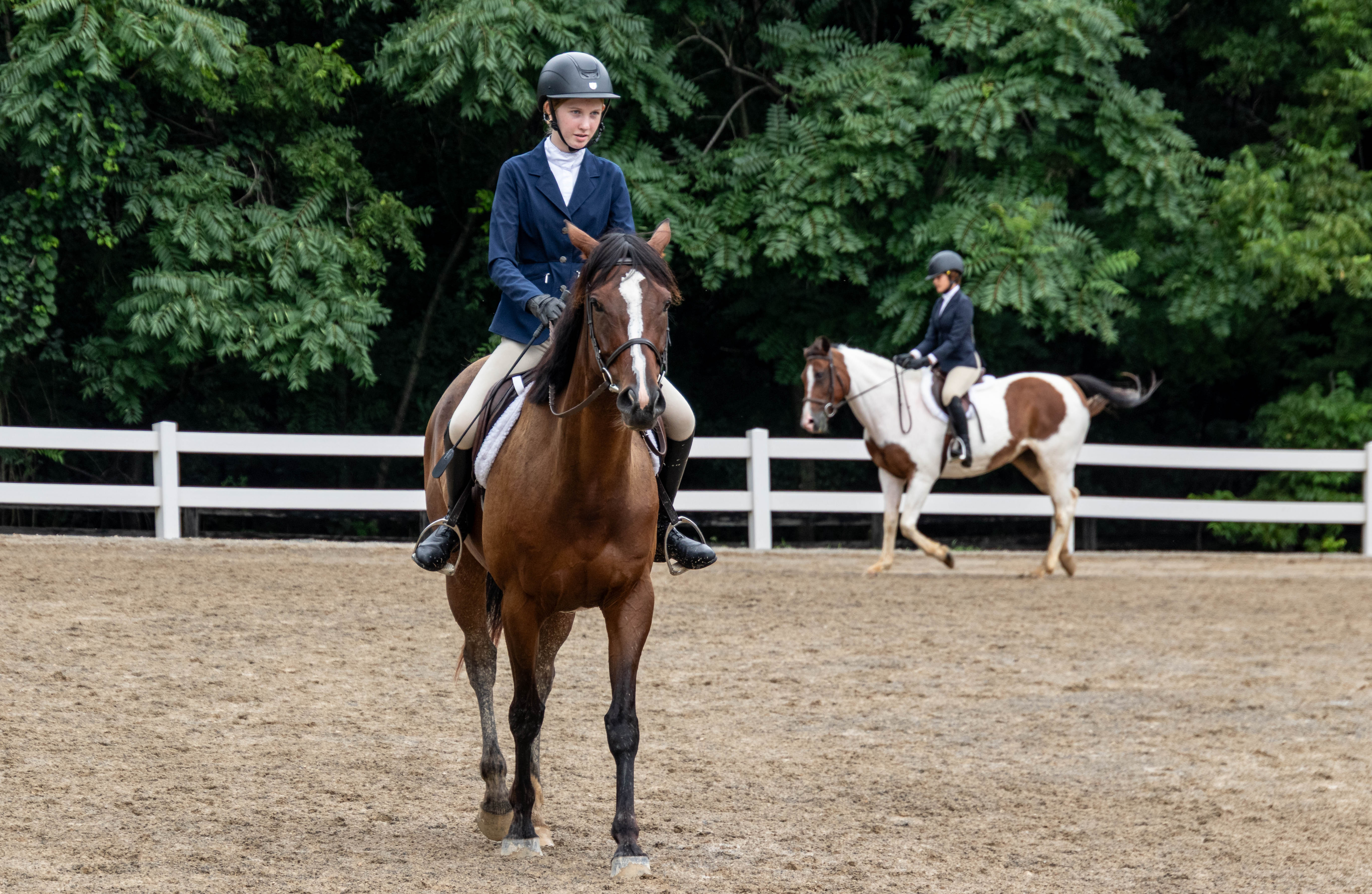
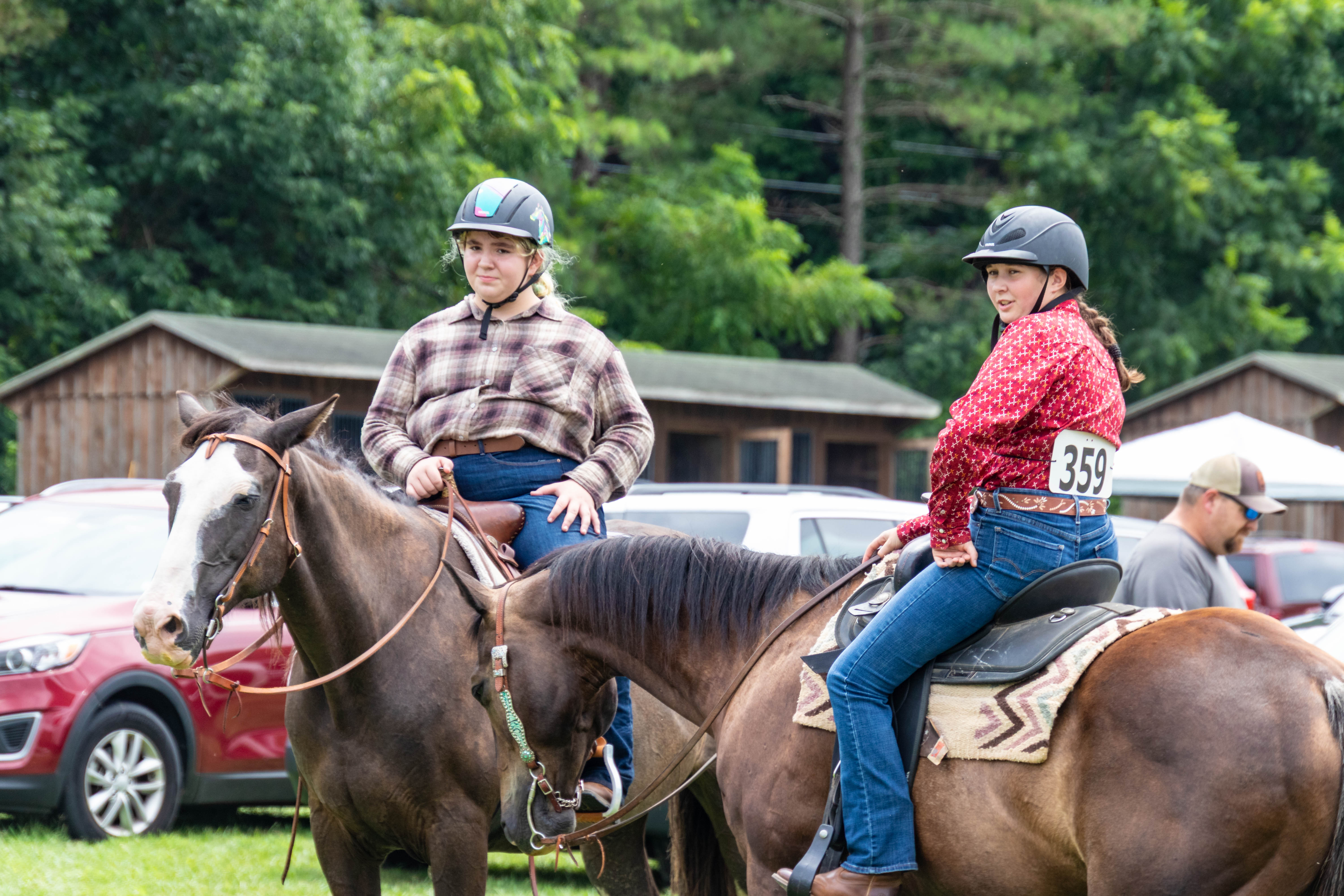
The Roanoke Valley Horsemanโ€™s Association held its annual Community Horse Show on Aug. 2, 2025, and despite a few puddles, it was an absolutely lovely day at Green Hill Park Equestrian Center in Salem.

The weather was unseasonably, wonderfully cool for August โ€” sitting comfortably in the 70s โ€” which made for a refreshing change from the usual midsummer swelter. While light rain made a brief appearance, no one seemed to mind dodging a few raindrops in exchange for the mild temperatures.

This yearโ€™s show was bustling with activity, featuring a wide variety of classes across disciplines: Ranch, Pleasure, Hunter, Trail, Saddle Seat, Harness, Games, and more. With at least two arenas in use throughout the day, the show moved efficiently and wrapped up by 3 p.m. โ€” a bonus for riders and horses alike.

Several classes boasted double-digit entries, showing strong support from the local equestrian community. First-place winners went home with special prizes, and division champions and reserves were recognized for their standout performances as well.

Congratulations to all the competitors, volunteers, and organizers who made the event such a success. Scroll through the photos below to catch a glimpse of the dayโ€™s highlights โ€” muddy boots, smiling riders, and all.

Book Review: ‘In the Middle Are the Horsemen’ takes an honest look at horsemen and horsemanship across disciplines

By Diane Deffenbaugh

As someone who has spent years riding and showing in both English and Western disciplines, Iโ€™m always intrigued by riders who are open-minded enough to explore outside their own โ€œarena.โ€ Thatโ€™s what first drew me to Tik Maynardโ€™s memoir, “In the Middle Are the Horsemen.” Part travelogue, part coming-of-age story, and part horsemanship journal, the book follows Maynardโ€™s journey as a working student for top riders across the U.S., Canada, and Europe. His goal? To learn from the best, no matter the discipline.

And thatโ€™s what I admired most about this book: his willingness to immerse himself fully in each experience, whether mucking stalls in Germany or trying his hand at working cattle. Few riders are willing to put ego aside and learn from styles outside their comfort zone โ€” and even fewer can do it with the kind of curiosity and humility that Maynard brings to the barn aisle.
The behind-the-scenes look at the life of a working student was fascinating, especially for those of us whoโ€™ve spent our own share of time stacking hay bales or cooling out sweaty horses at shows. Maynardโ€™s chapters about his time with legends like Anne Kursinski and Johann Hinnemann — and cameos like George Morris being, well, George Morris — offer valuable insight into the intensity, discipline, and sometimes chaos of high-level barns.

That said, the book isnโ€™t without its flaws. Structurally, it jumps around at times in ways that made it hard to follow, at least in the audio format that I used during my commute to Blacksburg each day. And while Maynardโ€™s open-mindedness is often his strength a horse psychic brought in to uncover the reason behind a trailering incident — and the reason she uncovers — was maybe one step too far for me.

One thing I couldnโ€™t ignore is the level of privilege that made this journey possible. Most of the riders featured in the book are not first-generation horsemen, and neither is Maynard. The ability to work for weeks or months unpaid, to travel internationally to ride with elite trainers, and to take the time for such an extended apprenticeship is out of reach for many aspiring horsemen and horsewomen. Itโ€™s important to recognize that while the grit and sweat were real, so were the resources that made it all feasible. And while Maynard deals with a lot of criticism about his riding ability along the way, no one gets into those barns as a working student without being a dang good rider already.

But I do acknowledge that his journey for knowledge paid off big. Maynard has built his own very successful training business based in Citra, Florida, and just recently won Road to the Horse for the second time. While he may have gotten there anyway as a talented rider, his experiences detailed in this book certainly made his more well-rounded and self-aware of not only his strengths but his weaknesses.

“In the Middle Are the Horsemen” isnโ€™t polished literature, but itโ€™s an honest and thoughtful account of one riderโ€™s search for meaning through horses. If you’re curious about different approaches to horsemanship and enjoy a good barn story, this book offers plenty to chew on.

Roanoke Valley Pony Club holds Spring Fun Frolic

The first weekend of April was an equestrian’s dream — great weather and plenty of events to get the season started.

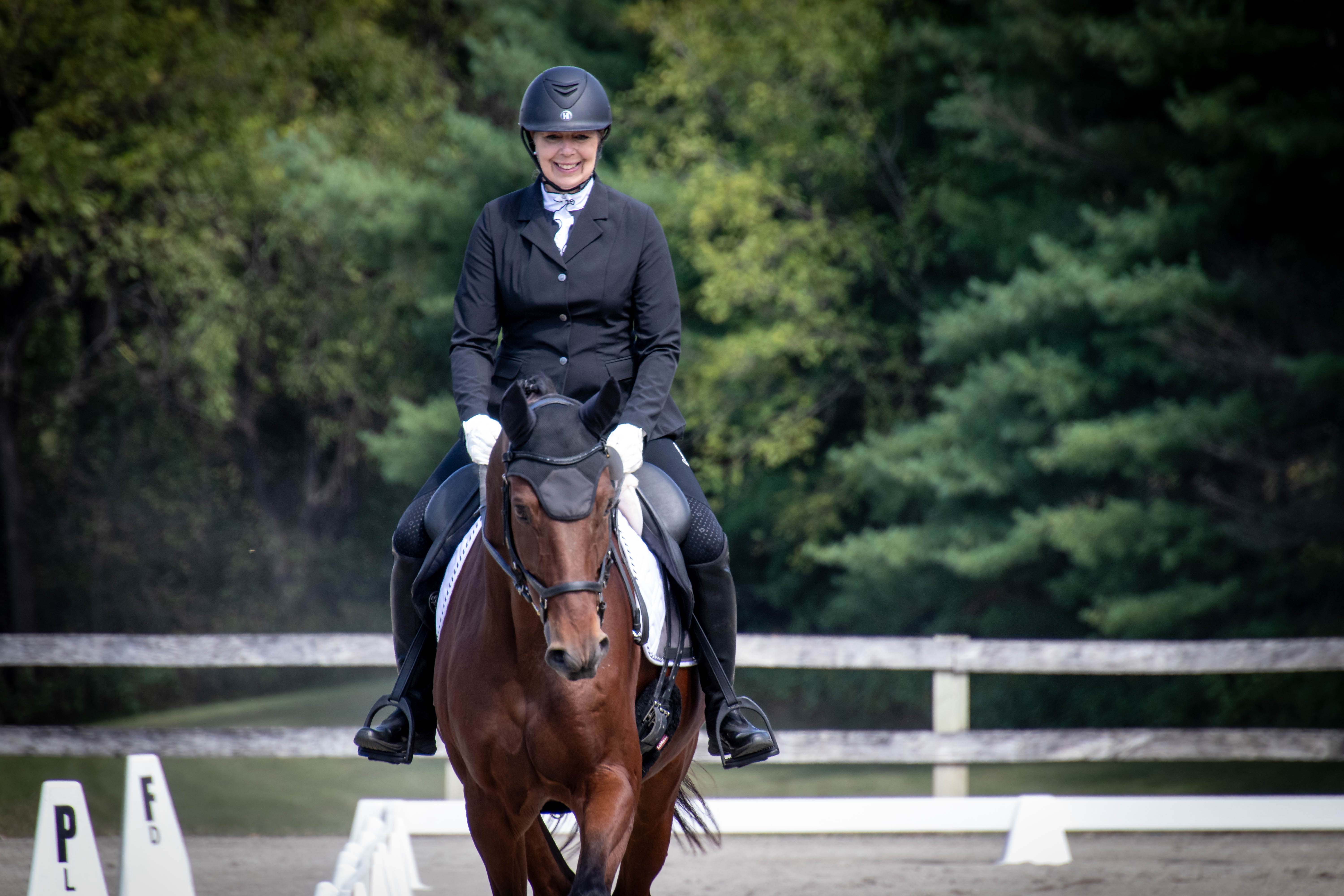
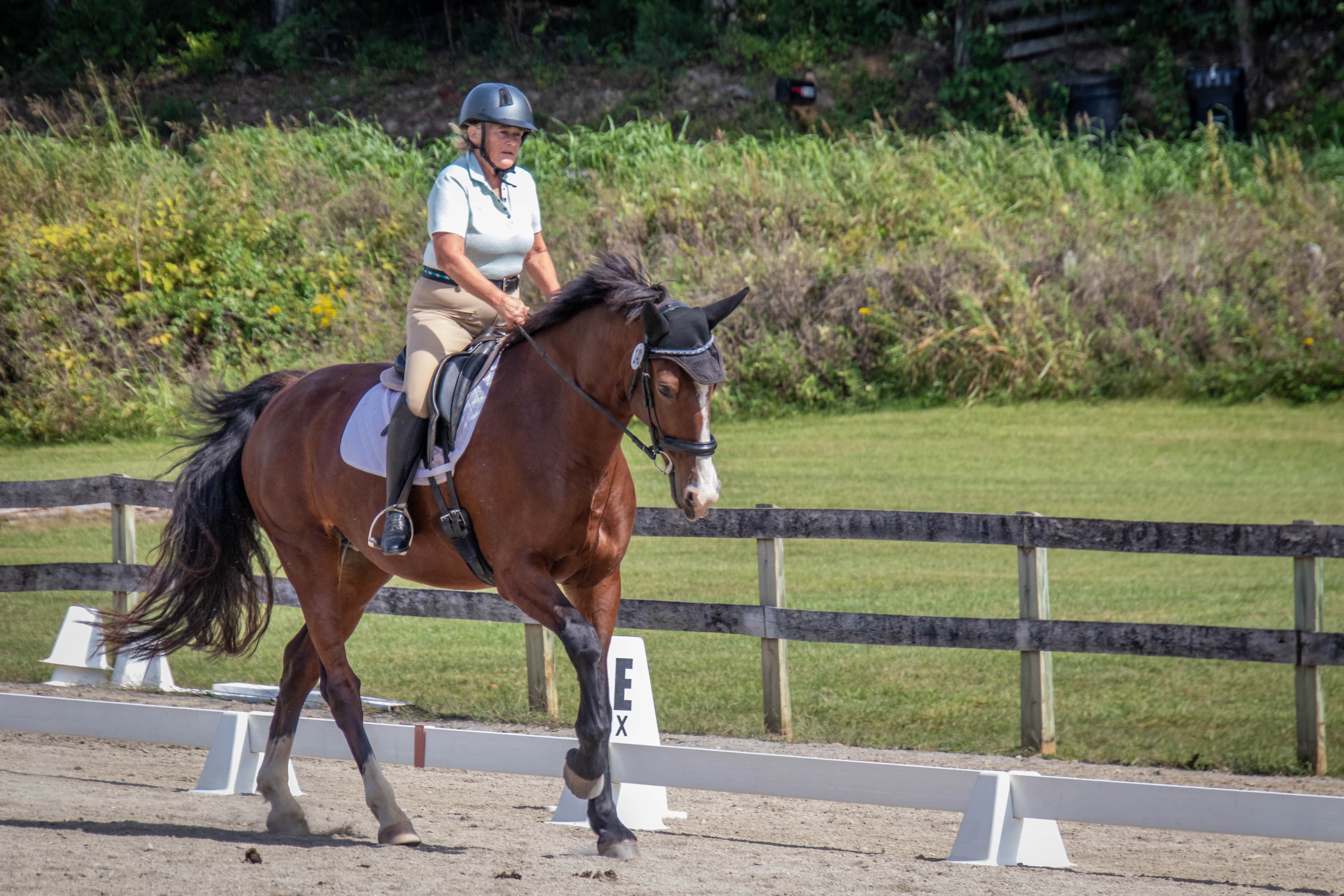
The Roanoke Valley Pony Club Spring Frolic brought horses and riders to Green Hill Park Equestrian Center in Salem for dressage, jumping, and working equitation. Horse and rider combinations rode courses throughout the day, with the last rider hitting the final course at 3 p.m.

Tracey Smith-Oliver and Elizabeth Barker served as judges at the show, offering lots of priceless suggestions for ways riders could improve their performances as the season continues.

Roanoke Valley Pony Club is affiliated withย United States Pony Clubsย and serves the Roanoke and New River valleys. RVPC hosts twoย Fun Frolic Series: the Spring Frolic in April and Fall Frolic in September.ย All shows are held at Green Hill Park.

Working Equitation
Dressage
Working Equitation

Also happening around the region over the past weekend, as seen on social media:

Great American Ranch and Trail Horse Sale highlights thriving market for well-broke horses

The Coliseum was once again packed this year for the annual Great American Ranch and Trail Horse Sale, held April 3-5 at the Virginia Horse Center. The sale, which has been held each spring for decades, continues to draw a loyal following of both horse sellers and buyers, and this year was no exception.

But times do change, and this year saw the growing influence of internet marketing in the horse world. The top-sellers not only were nice horses with good pedigrees and a history of being safe, but they also had good marketing well before the sale. Around the arena, beautiful photo ads were posted of some of the sale horses. Others already had strong social media followings.

With the world grappling with higher prices from groceries to trucks to hay, I wondered as the auction began how those concerns would affect sale prices. There were still plenty of high prices. Pretty similar to the past few years, the high-seller brought $78,000. Joes Last Tiger, a 6-year-old black quarter horse gelding, also was reserve champion in the sale’s trail horse competition.

High-seller brought $78,000

Golden Silverado, AQHA 5-year-old gelding, $35,000

But there seemed to be more instances than in the past of “no sales.” Buyers willingness to spend did not always align with what buyers were hoping to get. The bidding often stopped well before the reserve. Conversely, however, there were many horses that sold well below their value.

Of course, the Great American Ranch and Trail Horse Sale includes a Ranch Horse Competition and a Trail Horse Competition as well where consigners can win some cash, a saddle, and bragging rights before the sale. The competition also gives buyers a chance to see the horses in action and under pressure.

The Ranch Horse Competition was won by Mr. Smart Sioux, a 10-year-old buckskin quarter horse consigned by Thornton Quarter Horses of Alabama. The Shining Spark grandson brought $24,000 during the auction. His consigner, however, was seeking at least $30,000.

Photo courtesy GARTHS

After a sale horse demonstration that included a running chainsaw earlier in the week, a Spotted Halflinger gelding, Tigers Sweet Gentry, took the trophy in the Trail Horse Competition and then sold for $19,000.

Top 10 High-Sellers

Hip #48 – $78,000 – Pleasant Valley Equine
Hip #38 – $67,000 – Pleasant Valley Equine
Hip #26 – $38,000 – Buckeye Acre Farm
Hip #10 – $35,000 – For His Glory Farms
Hip #21 – $33,000 – Buckeye Acre Farm
Hip #19 – $30,000 – Pleasant Valley Equine
Hip #34 – $30,000 – Kristin White
Hip #18 – $25,000 – Country Hills Stable
Hip #33 – $25,000 – Circle C Stables
Hip #83 – $25,000 – Nicole Inglassia

AQHA-IEA Outstanding Leader Scholarship applications due April 1, Virginia Horse Center to host Zone 3 Finals on March 14-16

Scholarship Opportunity! Interscholastic Equestrian Association youth riders who are also American Quarter Horseย Youth Associationย members can now apply for the ๐—”๐—ค๐—›๐—”-๐—œ๐—˜๐—” ๐—ข๐˜‚๐˜๐˜€๐˜๐—ฎ๐—ป๐—ฑ๐—ถ๐—ป๐—ด ๐—Ÿ๐—ฒ๐—ฎ๐—ฑ๐—ฒ๐—ฟ ๐—ฆ๐—ฐ๐—ต๐—ผ๐—น๐—ฎ๐—ฟ๐˜€๐—ต๐—ถ๐—ฝ.

The scholarship recognizes riders who have shown outstanding leadership qualities and a committment to participation in one or both organizations. Applications are submitted via this Google Form. Apply today, applications are due ๐—”๐—ฝ๐—ฟ๐—ถ๐—น ๐Ÿญ!

Qualifications/Requirements:

  • Current member of IEA.
  • Current member of AQHYA.
  • 10th-12th grade.
  • Active member of IEA for at least two seasons.
  • Minimum 3.0 GPA or higher.

View PDF of full list of requirements.

IEA is a national organization dedicated to introducing and promoting equestrian athletics. Riders are not required to own their own horse or tack to participate, instead a draw-based team competition format provides greater affordability and access to the sport. There are nearly 15,000 members nationwide in three disciplines — Hunt Seat, Western, and Dressage.

Virginia is in Hunt Seat Zone 3, which will hold its finals March 14-16, 2025 at the Virginia Horse Center in Lexington. The National Finals will be held this year April 24-27, 2025, in Missouri.

Teams hosted near Roanoke include:

  • Breezy Rock Stables in Troutville
  • AP Equestrian in Troutville
  • Virginia Tech in Blacksburg

Click here to see the full list of teams.