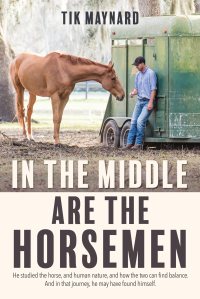
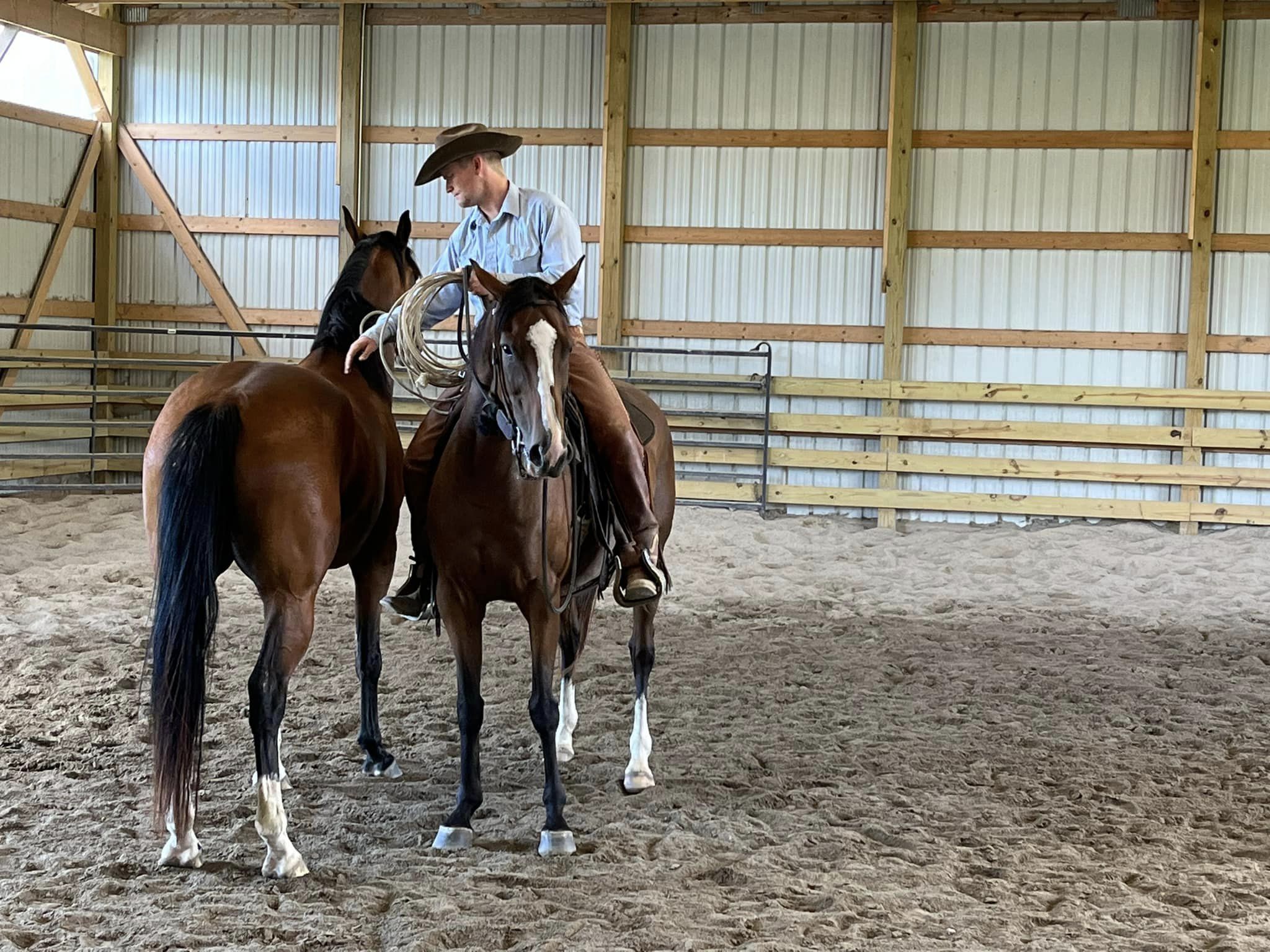
As someone who has spent years riding and showing in both English and Western disciplines, I’m always intrigued by riders who are open-minded enough to explore outside their own “arena.” That’s what first drew me to Tik Maynard’s memoir, “In the Middle Are the Horsemen.” Part travelogue, part coming-of-age story, and part horsemanship journal, the book follows Maynard’s journey as a working student for top riders across the U.S., Canada, and Europe. His goal? To learn from the best, no matter the discipline.
And that’s what I admired most about this book: his willingness to immerse himself fully in each experience, whether mucking stalls in Germany or trying his hand at working cattle. Few riders are willing to put ego aside and learn from styles outside their comfort zone — and even fewer can do it with the kind of curiosity and humility that Maynard brings to the barn aisle.
The behind-the-scenes look at the life of a working student was fascinating, especially for those of us who’ve spent our own share of time stacking hay bales or cooling out sweaty horses at shows. Maynard’s chapters about his time with legends like Anne Kursinski and Johann Hinnemann — and cameos like George Morris being, well, George Morris — offer valuable insight into the intensity, discipline, and sometimes chaos of high-level barns.
That said, the book isn’t without its flaws. Structurally, it jumps around at times in ways that made it hard to follow, at least in the audio format that I used during my commute to Blacksburg each day. And while Maynard’s open-mindedness is often his strength a horse psychic brought in to uncover the reason behind a trailering incident — and the reason she uncovers — was maybe one step too far for me.
One thing I couldn’t ignore is the level of privilege that made this journey possible. Most of the riders featured in the book are not first-generation horsemen, and neither is Maynard. The ability to work for weeks or months unpaid, to travel internationally to ride with elite trainers, and to take the time for such an extended apprenticeship is out of reach for many aspiring horsemen and horsewomen. It’s important to recognize that while the grit and sweat were real, so were the resources that made it all feasible. And while Maynard deals with a lot of criticism about his riding ability along the way, no one gets into those barns as a working student without being a dang good rider already.
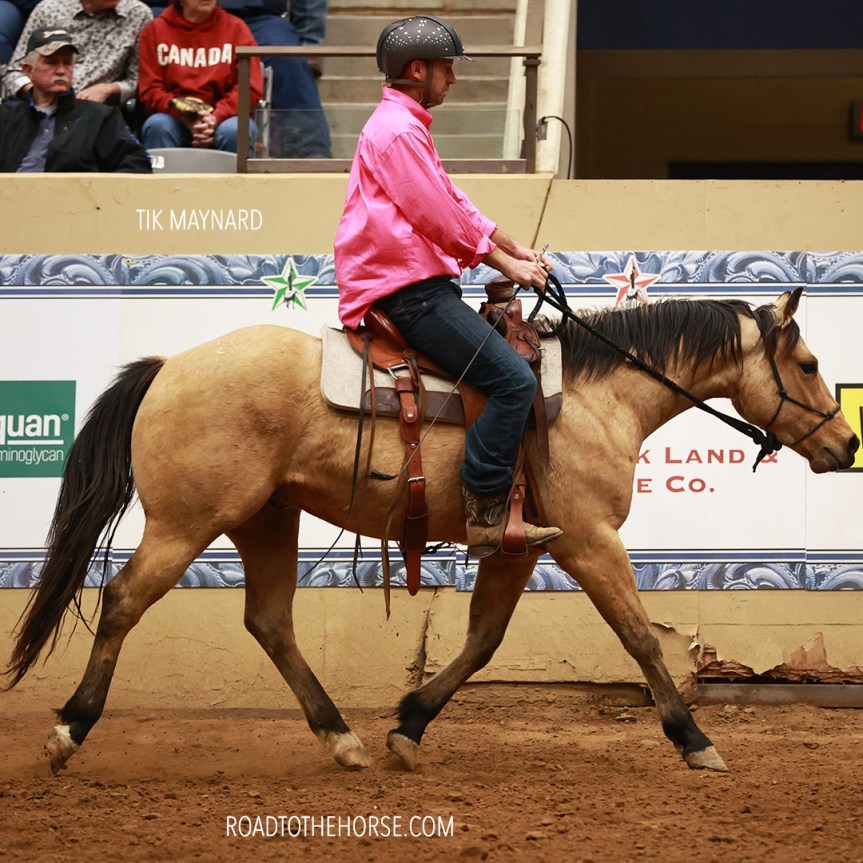
But I do acknowledge that his journey for knowledge paid off big. Maynard has built his own very successful training business based in Citra, Florida, and just recently won Road to the Horse for the second time. While he may have gotten there anyway as a talented rider, his experiences detailed in this book certainly made his more well-rounded and self-aware of not only his strengths but his weaknesses.
“In the Middle Are the Horsemen” isn’t polished literature, but it’s an honest and thoughtful account of one rider’s search for meaning through horses. If you’re curious about different approaches to horsemanship and enjoy a good barn story, this book offers plenty to chew on.
The first weekend of April was an equestrian’s dream — great weather and plenty of events to get the season started.
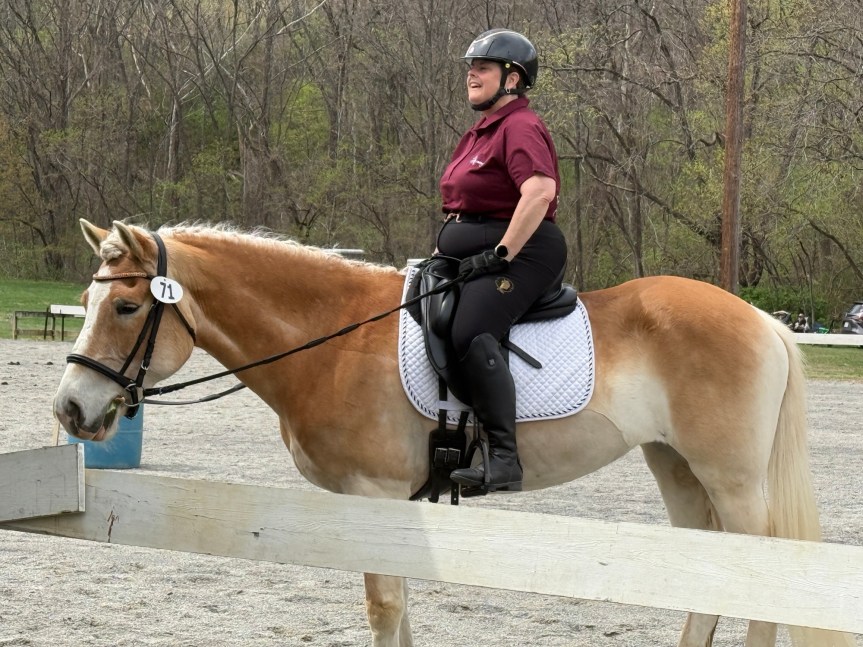
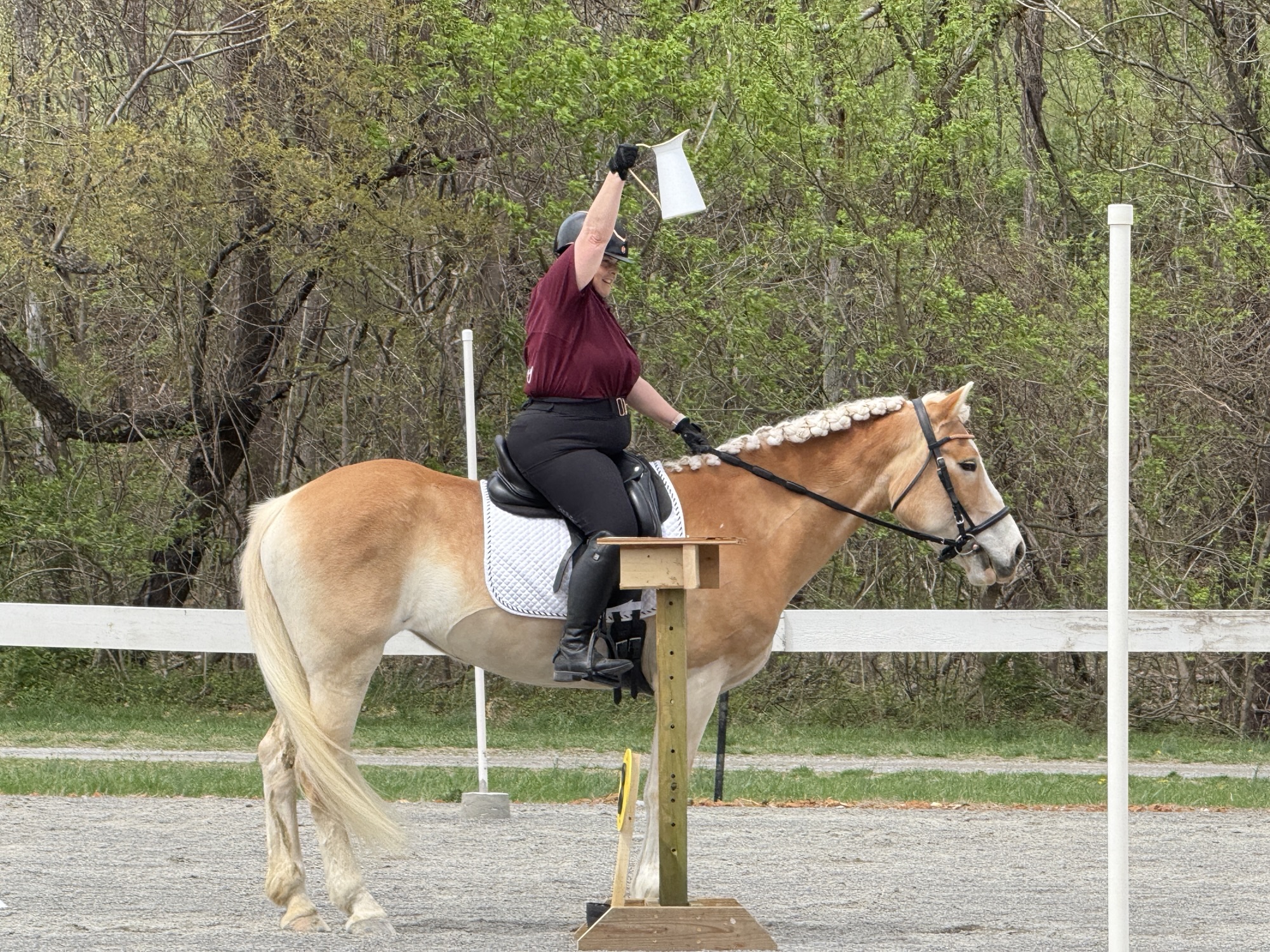
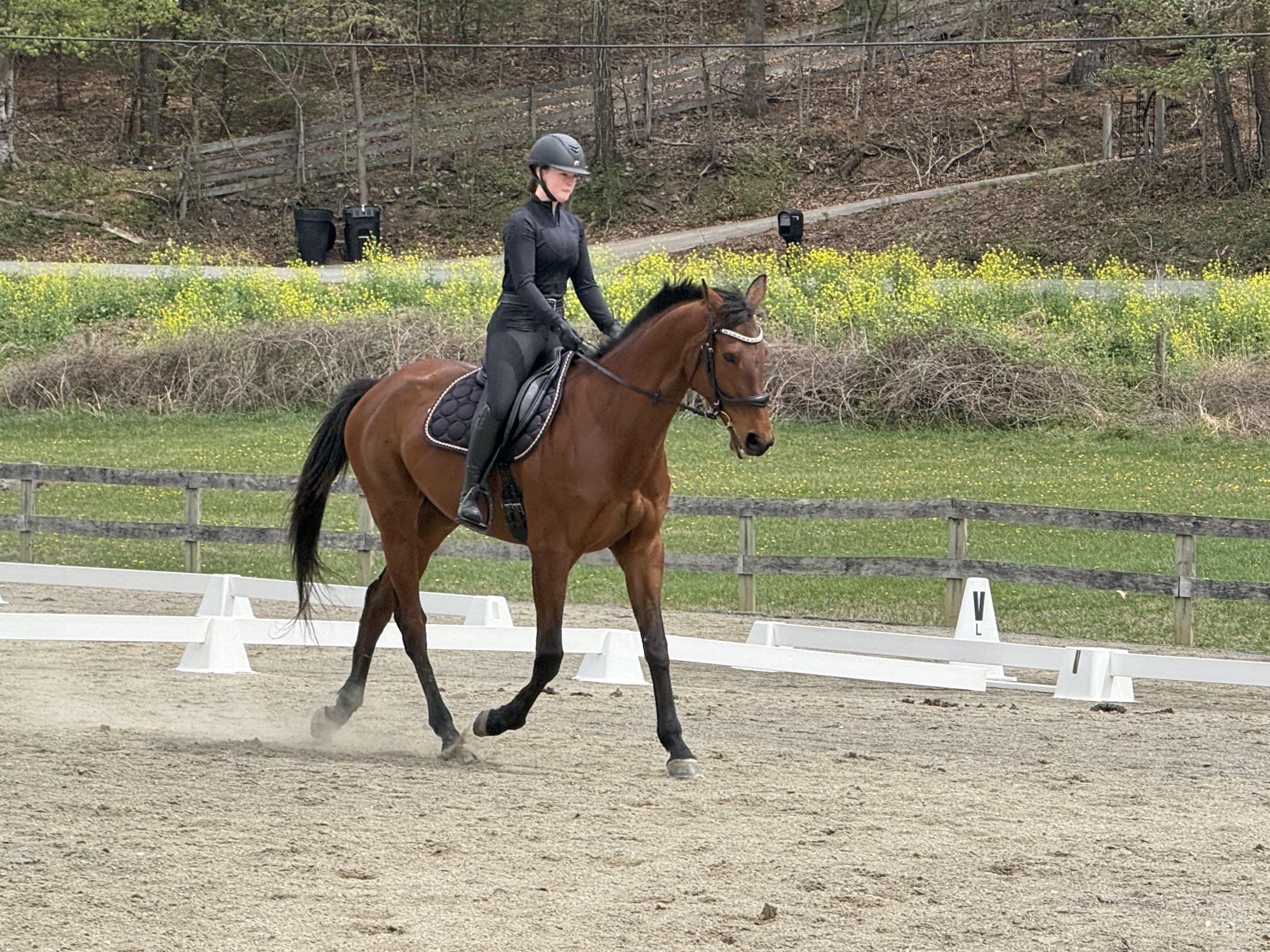
The Roanoke Valley Pony Club Spring Frolic brought horses and riders to Green Hill Park Equestrian Center in Salem for dressage, jumping, and working equitation. Horse and rider combinations rode courses throughout the day, with the last rider hitting the final course at 3 p.m.
Tracey Smith-Oliver and Elizabeth Barker served as judges at the show, offering lots of priceless suggestions for ways riders could improve their performances as the season continues.
Roanoke Valley Pony Club is affiliated with United States Pony Clubs and serves the Roanoke and New River valleys. RVPC hosts two Fun Frolic Series: the Spring Frolic in April and Fall Frolic in September. All shows are held at Green Hill Park.
Working EquitationDressageWorking Equitation
Also happening around the region over the past weekend, as seen on social media:
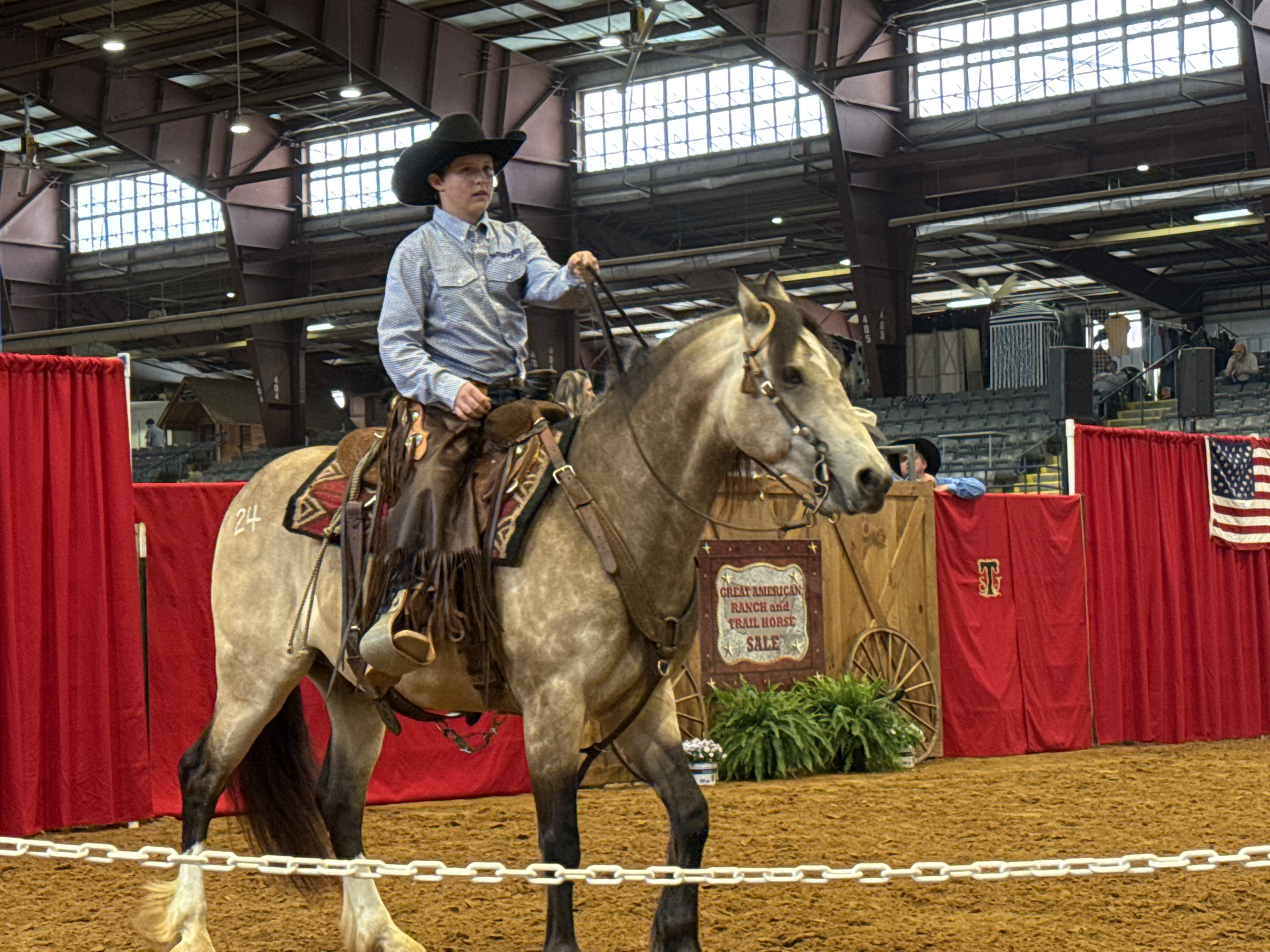
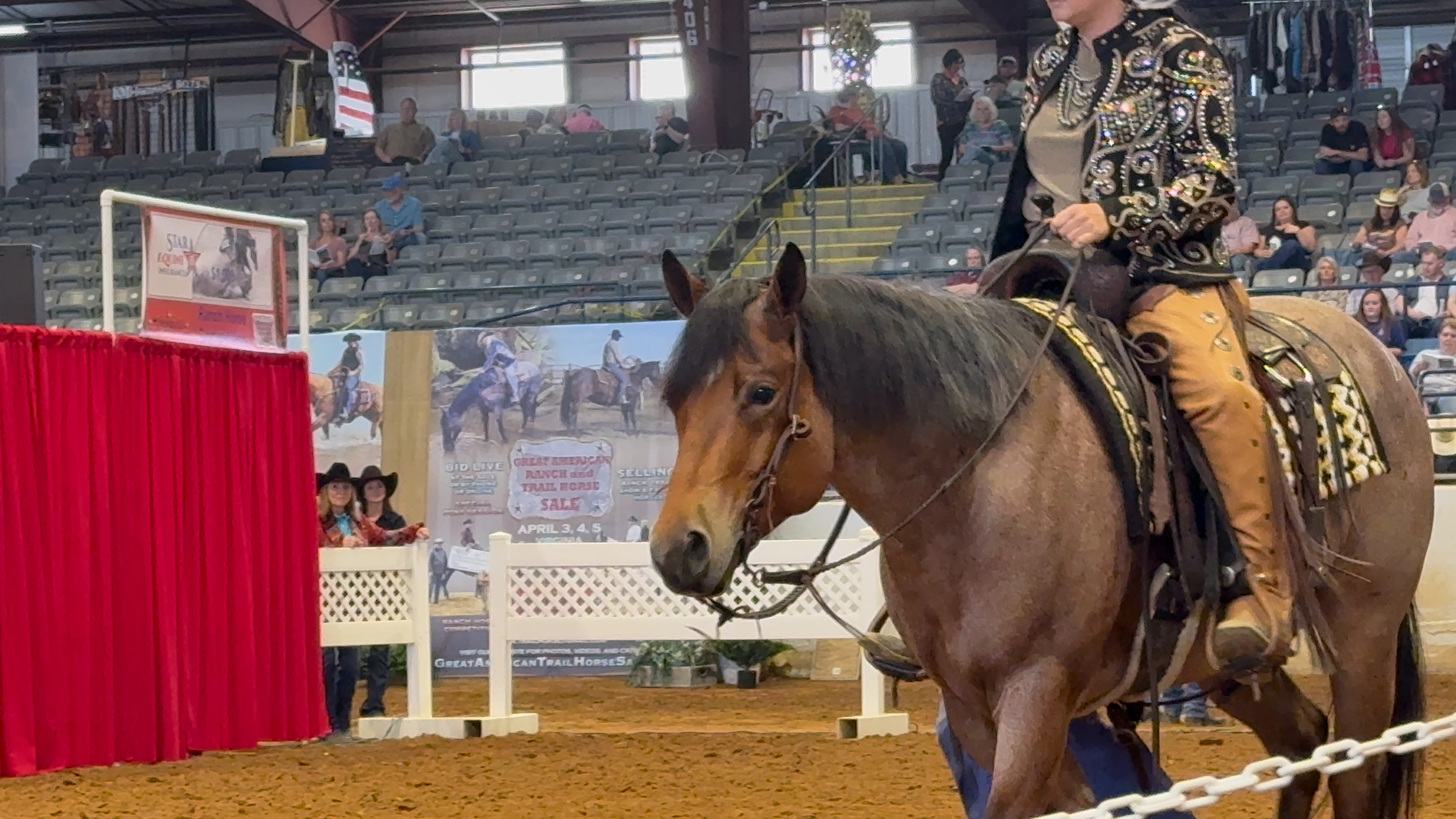
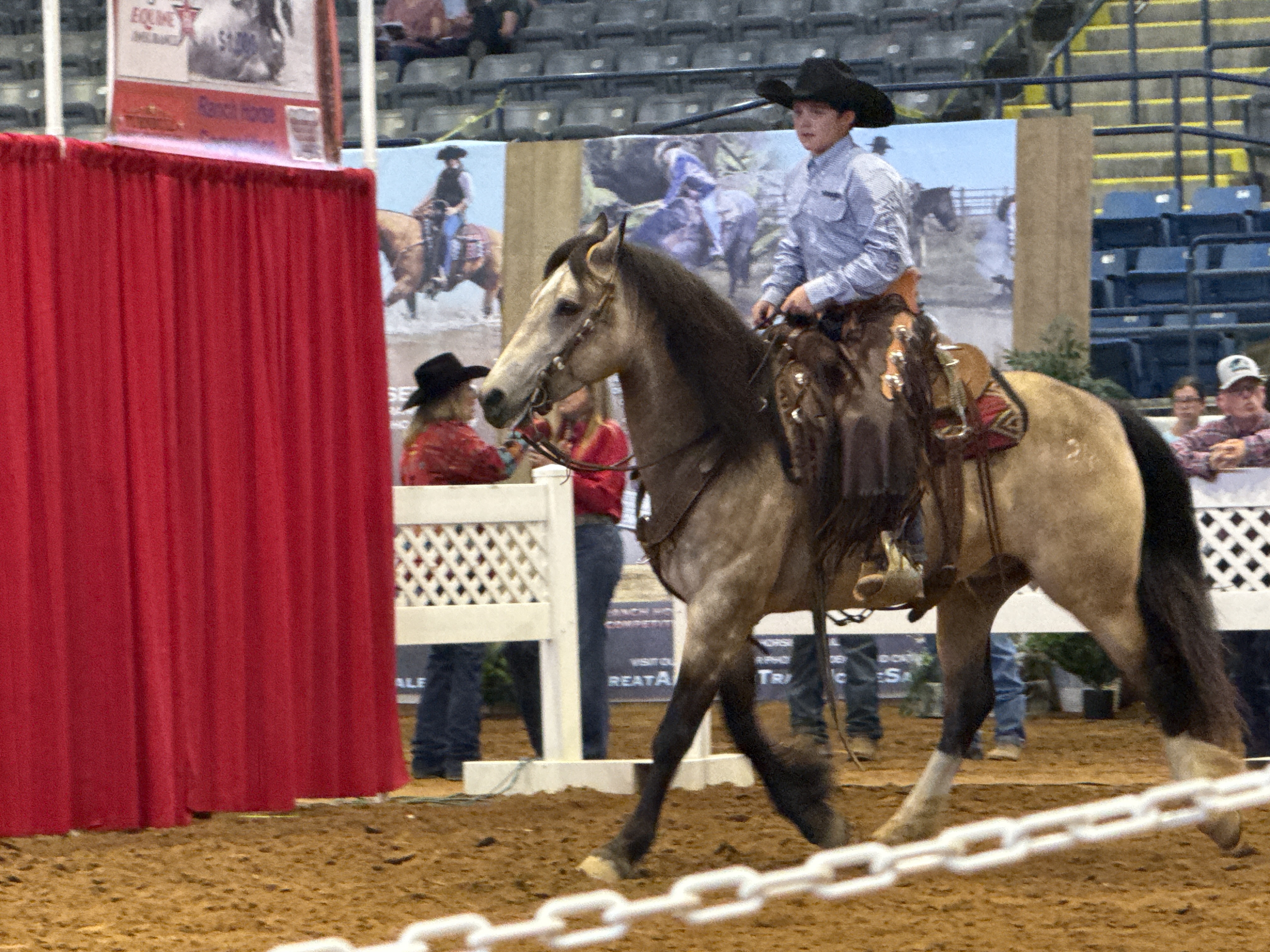
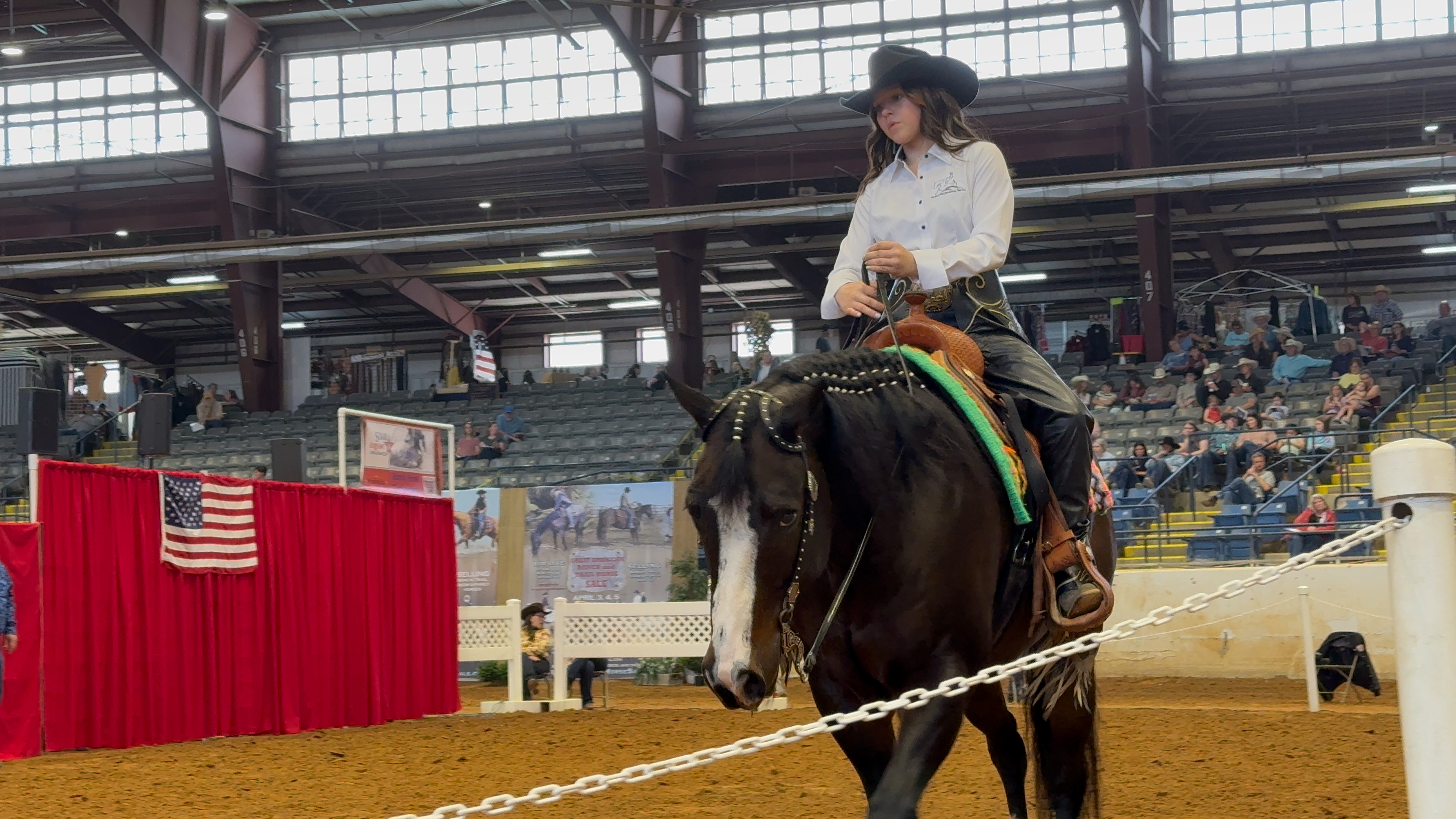
The Coliseum was once again packed this year for the annual Great American Ranch and Trail Horse Sale, held April 3-5 at the Virginia Horse Center. The sale, which has been held each spring for decades, continues to draw a loyal following of both horse sellers and buyers, and this year was no exception.
But times do change, and this year saw the growing influence of internet marketing in the horse world. The top-sellers not only were nice horses with good pedigrees and a history of being safe, but they also had good marketing well before the sale. Around the arena, beautiful photo ads were posted of some of the sale horses. Others already had strong social media followings.
With the world grappling with higher prices from groceries to trucks to hay, I wondered as the auction began how those concerns would affect sale prices. There were still plenty of high prices. Pretty similar to the past few years, the high-seller brought $78,000. Joes Last Tiger, a 6-year-old black quarter horse gelding, also was reserve champion in the sale’s trail horse competition.
But there seemed to be more instances than in the past of “no sales.” Buyers willingness to spend did not always align with what buyers were hoping to get. The bidding often stopped well before the reserve. Conversely, however, there were many horses that sold well below their value.
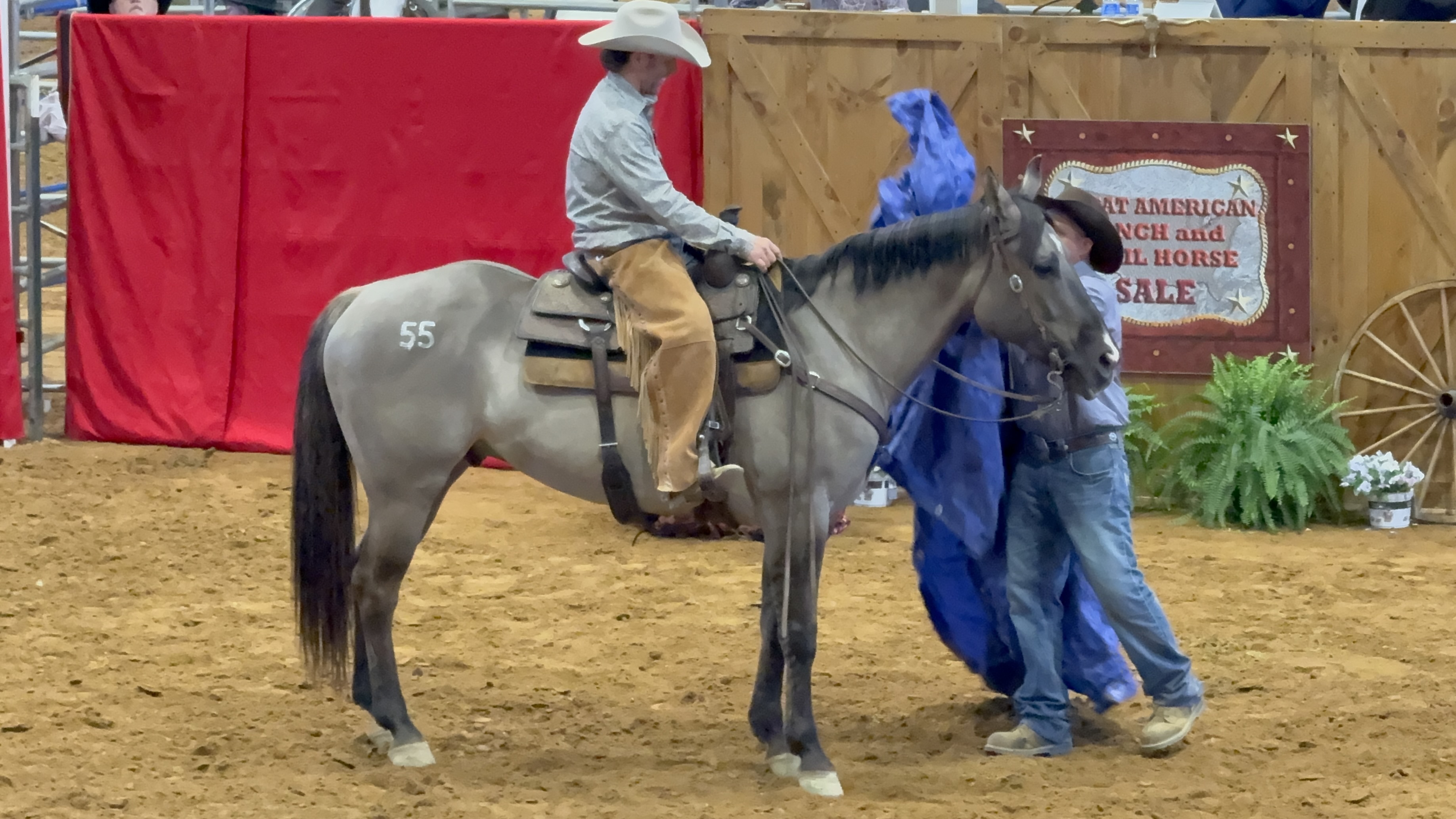
Of course, the Great American Ranch and Trail Horse Sale includes a Ranch Horse Competition and a Trail Horse Competition as well where consigners can win some cash, a saddle, and bragging rights before the sale. The competition also gives buyers a chance to see the horses in action and under pressure.
The Ranch Horse Competition was won by Mr. Smart Sioux, a 10-year-old buckskin quarter horse consigned by Thornton Quarter Horses of Alabama. The Shining Spark grandson brought $24,000 during the auction. His consigner, however, was seeking at least $30,000.
Photo courtesy GARTHS
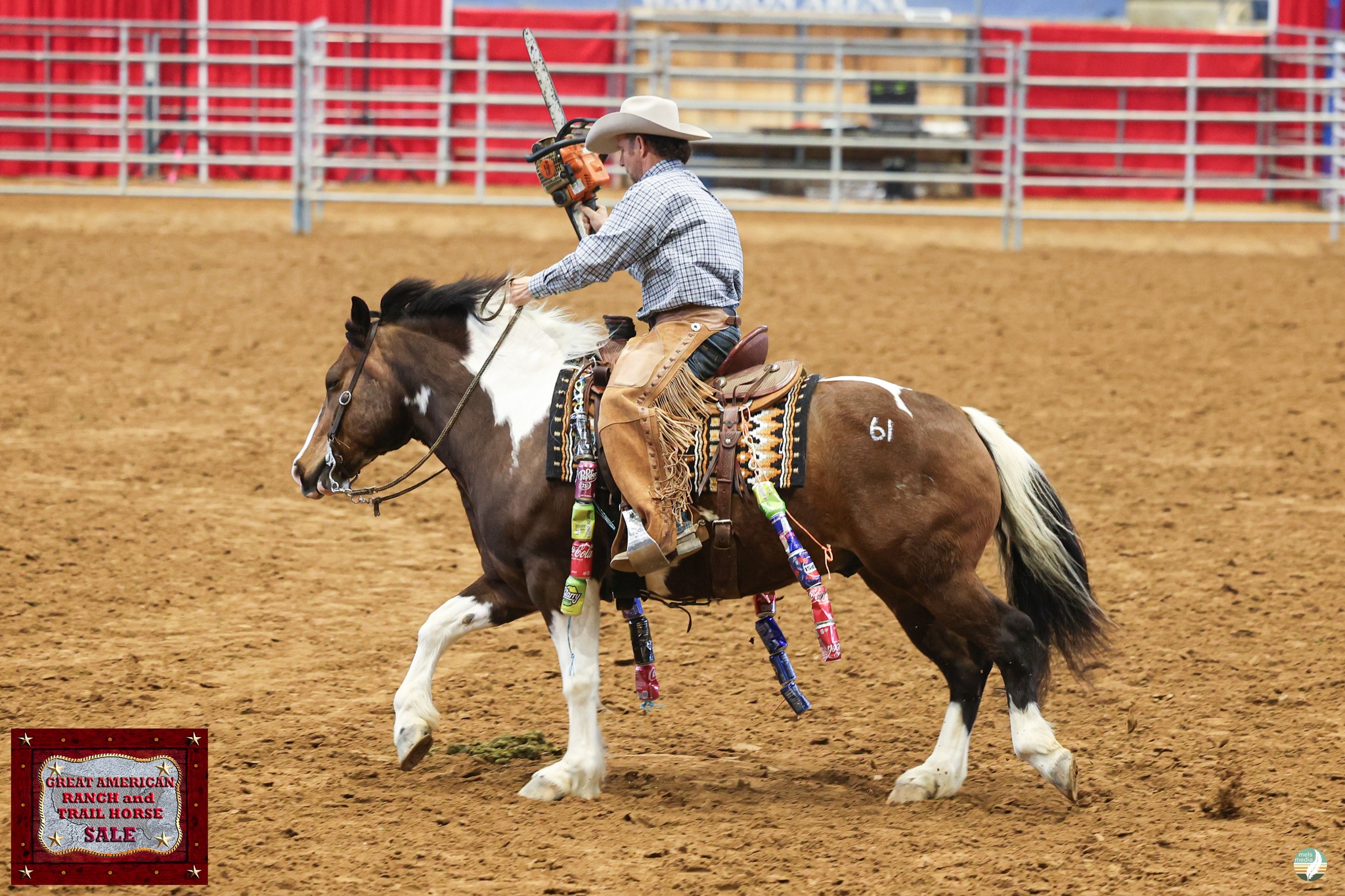
After a sale horse demonstration that included a running chainsaw earlier in the week, a Spotted Halflinger gelding, Tigers Sweet Gentry, took the trophy in the Trail Horse Competition and then sold for $19,000.
Top 10 High-Sellers
Hip #48 – $78,000 – Pleasant Valley Equine Hip #38 – $67,000 – Pleasant Valley Equine Hip #26 – $38,000 – Buckeye Acre Farm Hip #10 – $35,000 – For His Glory Farms Hip #21 – $33,000 – Buckeye Acre Farm Hip #19 – $30,000 – Pleasant Valley Equine Hip #34 – $30,000 – Kristin White Hip #18 – $25,000 – Country Hills Stable Hip #33 – $25,000 – Circle C Stables Hip #83 – $25,000 – Nicole Inglassia
Scholarship Opportunity! Interscholastic Equestrian Association youth riders who are also American Quarter Horse Youth Association members can now apply for the 𝗔𝗤𝗛𝗔-𝗜𝗘𝗔 𝗢𝘂𝘁𝘀𝘁𝗮𝗻𝗱𝗶𝗻𝗴 𝗟𝗲𝗮𝗱𝗲𝗿 𝗦𝗰𝗵𝗼𝗹𝗮𝗿𝘀𝗵𝗶𝗽.
The scholarship recognizes riders who have shown outstanding leadership qualities and a committment to participation in one or both organizations. Applications are submitted via this Google Form. Apply today, applications are due 𝗔𝗽𝗿𝗶𝗹 𝟭!
IEA is a national organization dedicated to introducing and promoting equestrian athletics. Riders are not required to own their own horse or tack to participate, instead a draw-based team competition format provides greater affordability and access to the sport. There are nearly 15,000 members nationwide in three disciplines — Hunt Seat, Western, and Dressage.
Virginia is in Hunt Seat Zone 3, which will hold its finals March 14-16, 2025 at the Virginia Horse Center in Lexington. The National Finals will be held this year April 24-27, 2025, in Missouri.
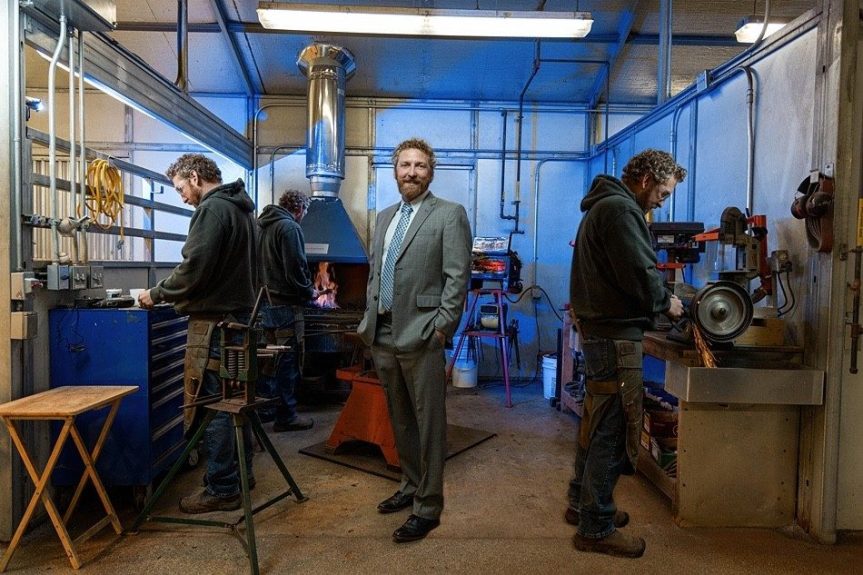
Yet even as this honor celebrates Burns’ acclaim and skill as a craftsman, he is already forging a new path as the administrator of the college’s Veterinary Teaching Hospital.
“I’ve had the opportunity to serve in some leadership capacities within the college, as president of the Faculty Association, serving on the executive committee, and it really opened my eyes that there’s a lot more than my little farrier shop,” Burns said. “There’s a lot more going on here and a lot of things happening, and I really think I can help and participate. It’s another way that I can give back to the to the college.”
“Travis Burns’ reputation for excellence precedes him, both as a farrier and as a leader,” said Tanya LeRoith, director of the Veterinary Teaching Hospital. “We are delighted to welcome him into this new dual role, where his vision, skill, and commitment to both education and equine care will help drive the Veterinary Teaching Hospital toward an exciting future.”
Keeping a foot in farrier work
After a transition period over the next few months, Burns will focus 80 percent of his work duties on his new role aligning the spreadsheets and helping organize the future of a teaching hospital currently in the process of developing plans for a proposed major expansion and renovation. The remaining 20 percent will keep a foot in the farrier shop, handling some particularly difficult cases and mentoring the farriers following him.
Having received his certificate of farriery in 2003 and a bachelor’s degree in animal science from North Carolina State University in 2006, Burns joined the veterinary college in 2010 as college farrier. Later earning a master’s degree in veterinary education from the Royal Veterinary College in London in 2020 and currently pursuing an MBA at Virginia Tech, Burns has been chief of farrier services at Virginia Tech since 2010 and has steadily progressed in the academic ranks to lecturer from 2011-16), assistant professor of practice in 2017, and associate professor of practice in 2018.
The International Horseshoeing Hall of Fame was not an expected career destination for Burns.
“It’s not really a goal I ever set out for in in my career, but it’s certainly a very nice achievement,” Burns said. “It’s very humbling to get an award like that. I’ll admit it made me a little uncomfortable to have that much recognition, but it’s a great thing for the college, and for me personally. I think it’s a true testament to the team that I’ve been surrounded by, from the farriers that helped me get started, to the farriers that I’ve been able to work with here, to the veterinarians that I’ve been able to work with in my career.”
Work ethic, love for learning
Burns credits his mother for instilling the values of hard work and never-ending education into him. Burns’ mother was a high school dropout who obtained a GED, associate’s degree, and bachelor’s degree while rising from a front-desk employee to general manager of a country club and inn in western North Carolina.
“My work ethic, without a doubt, comes from my mother,” Burns said. “I was raised by a single mother who worked two jobs when I was young and went to school. When I went to kindergarten, she enrolled in night classes to get her GED. And so I would get done with school, I would go to work with her for a couple hours, and then we would go to her school. I sat in the classroom with them.
“We didn’t take holidays off. We didn’t take weekends off. She just worked hard, climbed her way up and was willing to do anything. I see that in my personality, like, here, just now going to help a surgery resident find a place for cadaver limbs to go. I still pick up trash as I walk through the parking lot. I’ll clean up the horse poop in the middle of the barn aisle. There’s no doubt that was just ingrained in me at a young age. “
Family also plays a big role in Burns’ decision to take the administrator role. His wife, Lauren Trager-Burns, is a clinical assistant professor in equine sports medicine and rehabilitation at the veterinary college. They have two young daughters, Maddie and Margot.
“Having kids has changed my perspective on life, and I do want to be physically able to do all the things with them as they grow up,” Burns said. “As much as I love the farrier profession, it takes a toll on your body, but I also saw an opportunity to have a more flexible job to allow me to have more time with the family and kids.”
His farrier skills have long garnered respect and admiration. The American Farriers Journal, which oversees the Hall of Fame nominations, described Burns as among the most influential people in the horseshoeing industry over the last two decades.
A boost from the brand
Burns credits men by the name of Goodness and Pleasant for playing big roles in mentoring him as a farrier and veterinary leader.
Paul Goodness, the official U.S. Equestrian Team farrier between 1992-96, including at the 1996 Summer Olympic Games in Atlanta, developed a highly successful Loudoun County sport horse and corrective shoeing practice. Burns interned and served as an associate farrier with Goodness and Forging Ahead Farrier Associates from 2007-10.
Goodness is the namesake of the Paul Goodness Podiatry Center at the Marion duPont Scott Equine Medical Center, Virginia Tech’s 24/7 equine emergency center and teaching hospital in Leesburg. Goodness collaborated with the equine medical center for several years, and through that relationship, Burns learned of the veterinary college at Virginia Tech and its opening for a farrier.
Once at Virginia Tech, Burns worked under the leadership of R. Scott Pleasant, professor emeritus of equine surgery and podiatry at Virginia Tech, whose leadership and vision were integral in the success of the equine podiatry program at the teaching hospital.
Burns said the Virginia Tech connection has bolstered his career through his access to researchers and clinicians at the veterinary college and instructors in various fields across the university, as well as the extra recognition associated with being part of Virginia Tech.
“I may have still been successful, but there’s always more attention that comes with the Virginia Tech brand and the Virginia-Maryland veterinary college,” Burns said. “If I was just me with the same skill set back home in western North Carolina, shoeing horses, helping horses, I may never have got the kind of recognition that it takes to get into the hall of fame. There are many farriers all over the world doing great things for horses that may never get the recognition they deserve.”
The USEA Youth Mentorship Program is coming to the 2025 USEA Intercollegiate & Interscholastic Eventing Championships for the first time, May 2-4 at Stable View Equestrian in Aiken, South Carolina.
Why it matters: This program gives collegiate eventers an exclusive, behind-the-scenes look at how championship-level competitions run.
What’s in it for you:
Shadow top eventing officials throughout the event.
Sit in on briefings and decision-making sessions.
Learn scoring, rule enforcement, and competition management.
Get one-on-one mentorship from industry leaders.
How to apply:
Only USEA members on an active collegiate team roster are eligible to participate. If your school hasn’t renewed its membership, encourage them to do so ASAP.
Eligibility: Must be 18-25 years old and a member of a current Intercollegiate Eventing Program Team or Area Young Rider Program.
Contact your Designated Collegiate Representative or Area Young Rider Coordinator to express interest.
Complete the Intercollegiate Eventing Championship Mentorship Program Application(link provided by your Collegiate Rep or YR Coordinator).
Submit applications to USEA Mentorship Coordinators by Tuesday, April 1.
Selections announced by Tuesday, April 15.
The bottom line: It’s an immersive, hands-on experience that’s intense, fun, and could change the way you see the sport.
Each year, Virginia Tech’s 11 Agricultural Research and Extension Centers invite the public in for an in-depth look at the discoveries and practices propelling the future of agriculture, Virginia’s largest private industry.
An Equine Pasture Management Field Day will be held April 17 at the Middleburg Agricultural Research and Extension Center. This walking tour will showcase pasture management systems, including continuous stocking, rotational grazing, track system, and dry lot with composting set up. Educational stations will include soil pit, small pasture management equipment demonstrations, small scale sprayer calibration, and forage/weed identification. Contact Tait Golightly at tgolight@vt.edu for more information.
Also in Middleburg, a Hunt Country Stable Tour will be held May 24-25, 9 a.m.-5 p.m., when the public is invited to tour the Middleburg AREC and learn about its programs as part of a self-driven tour of horse farms and facilities in Upperville, Middleburg, and The Plains. Visit trinityupperville.org/hunt-country-stable-tour or contact Tait Golightly at tgolight@vt.edu for more information.
Spread throughout the commonwealth, the Agricultural Research and Extension Centers (AREC) bring the expertise of Virginia Tech College of Agriculture and Life Sciences researchers directly into the communities they serve. Researchers partner with farmers, government agencies, and industry leaders to tackle problems in the lab and on the field – and deliver research-based solutions through Virginia Cooperative Extension agents to help Virginia agriculture thrive.
Anyone is welcome to join AREC field days, open houses, and other events planned for 2025. Mark your calendars for the following dates and check the 2025 field days calendar for updates, locations, and registration details as they are added throughout the year.
Every day, undergraduate students, staff, and volunteers arrive to feed horses and clean stalls. Through the work, students learn about breeding and foaling, nutrition, exercise physiology, stable management fundamentals, and more.
Participants in the volunteer program gain equine experience through feed shifts to provide daily care to the horses at the Smithfield Equine Unit and the Equitation Barn. Additional opportunities exist to attend vet and farrier appointments, assist with training and marketing of youngstock, and much more.
All of the horses have been donated or were born at Virginia Tech. Horses are used for breeding, research, equitation lessons and other courses.
For questions about the Equine Volunteer Program, please contact Abbey Collier at aecollier@vt.edu.
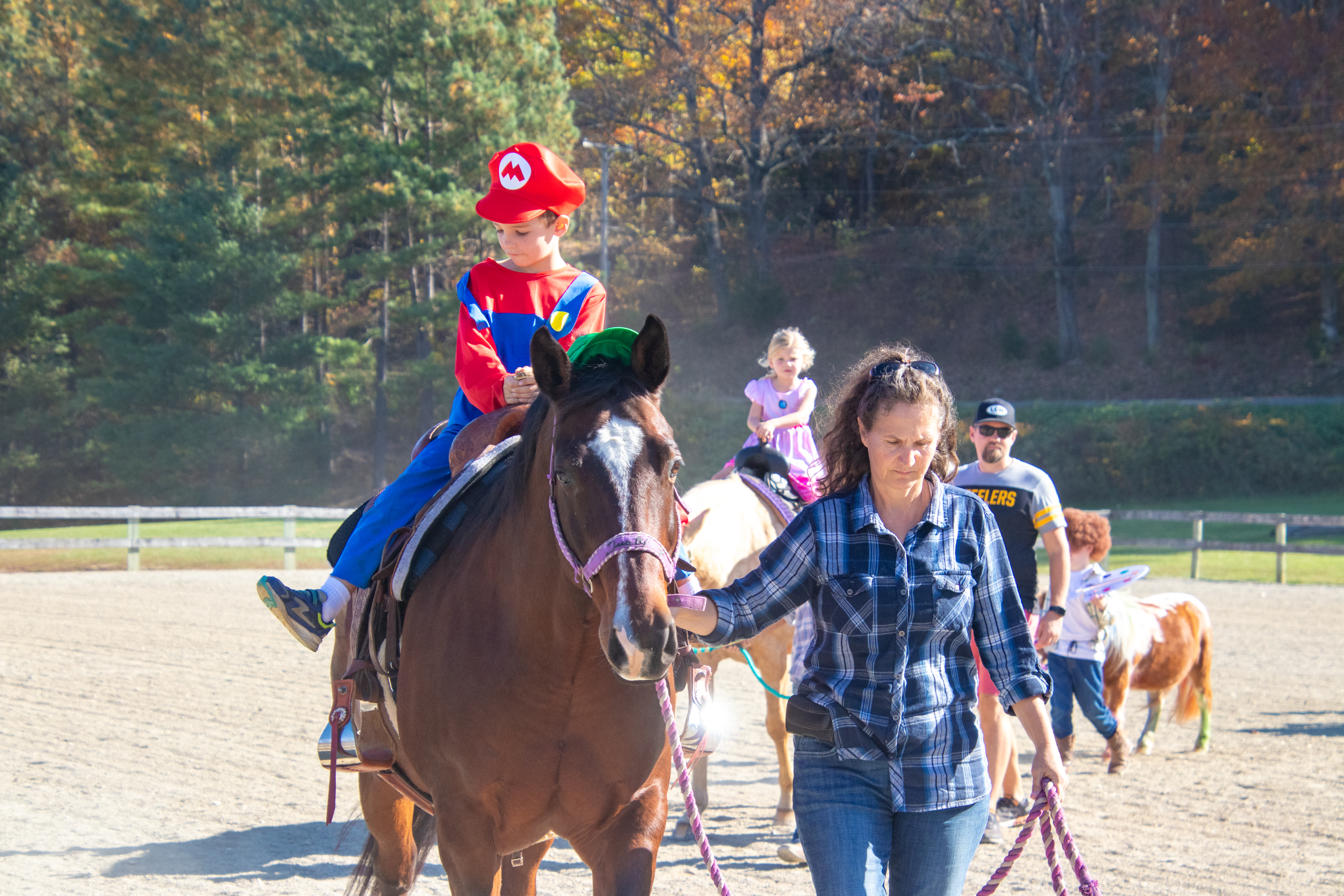
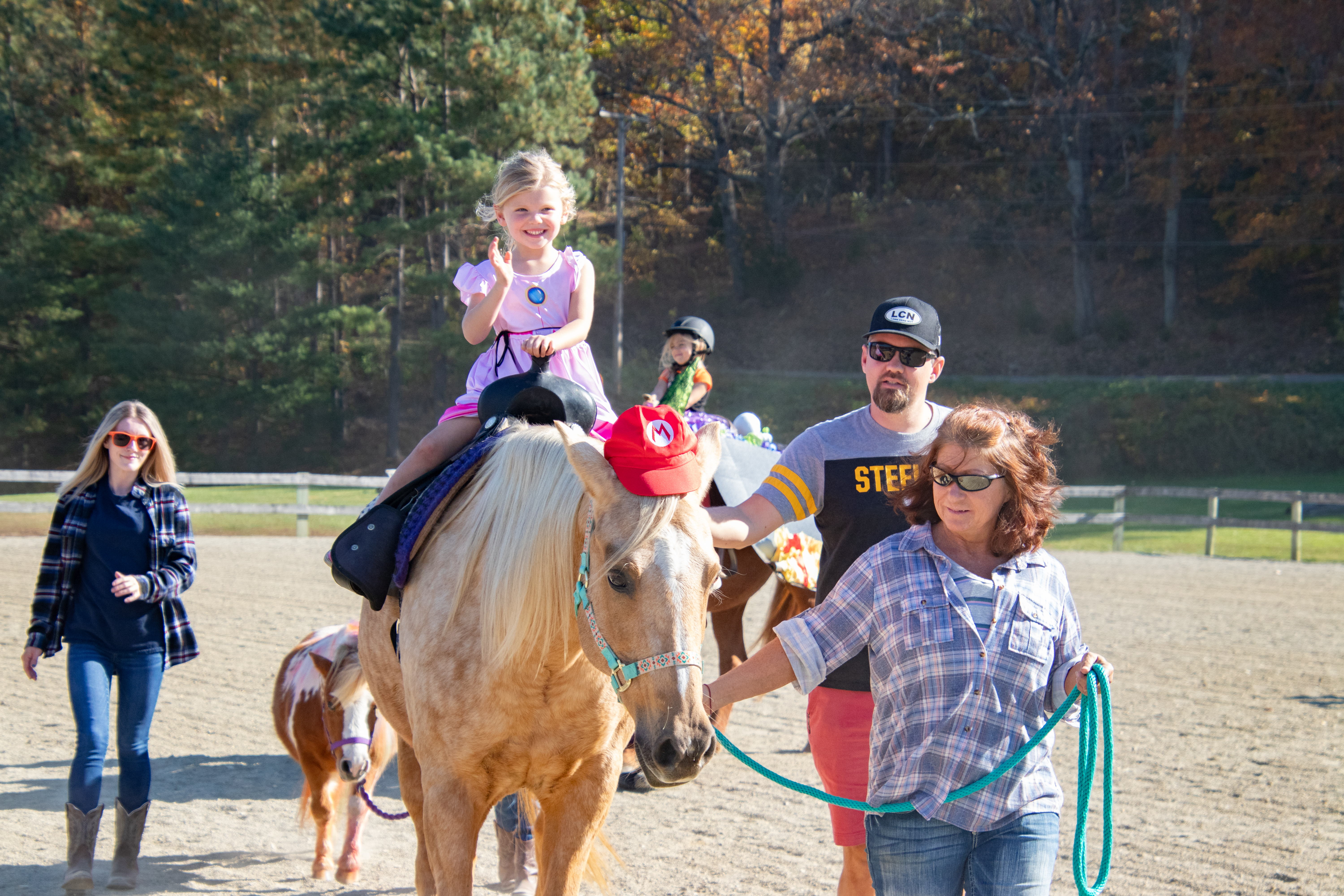
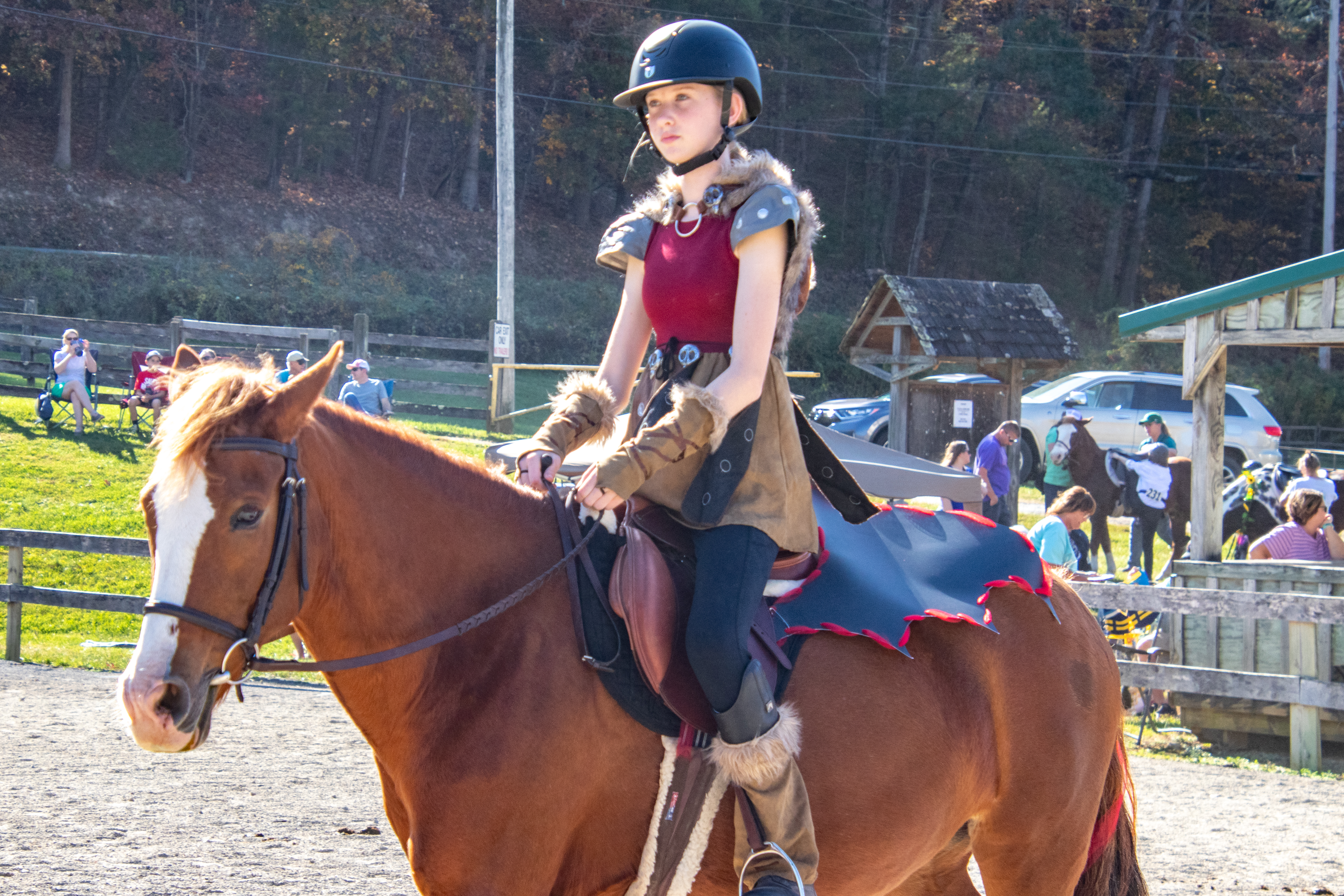
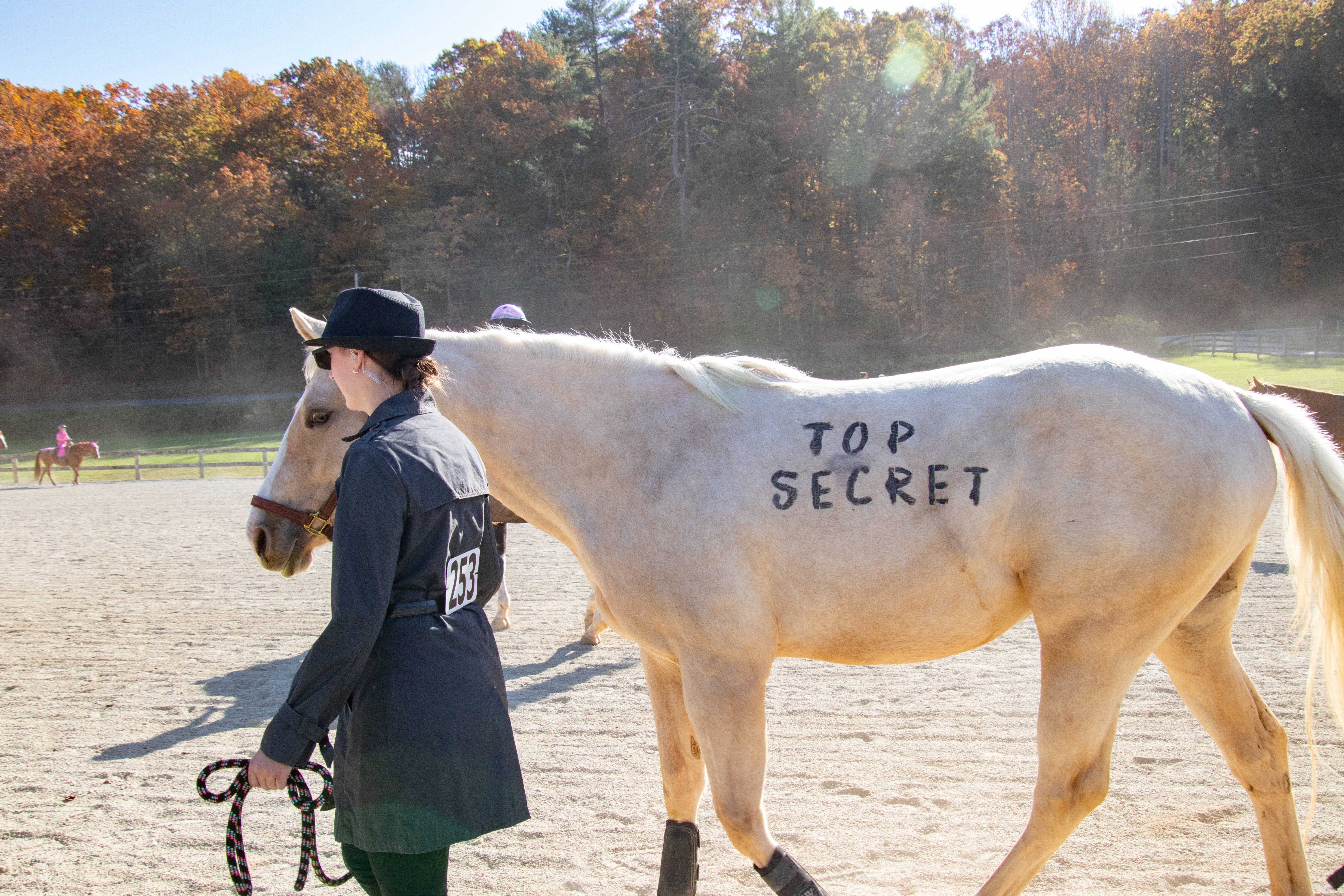
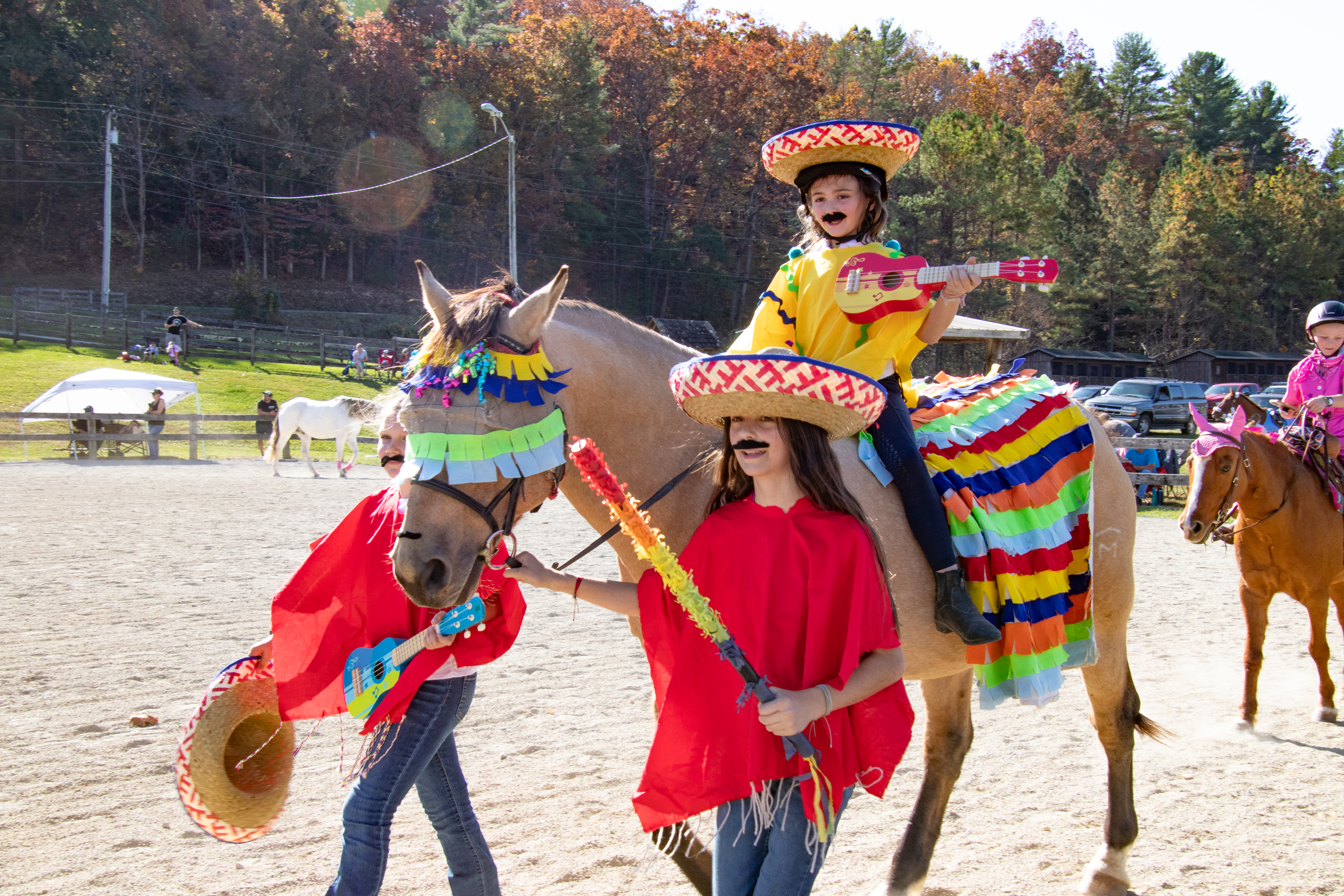
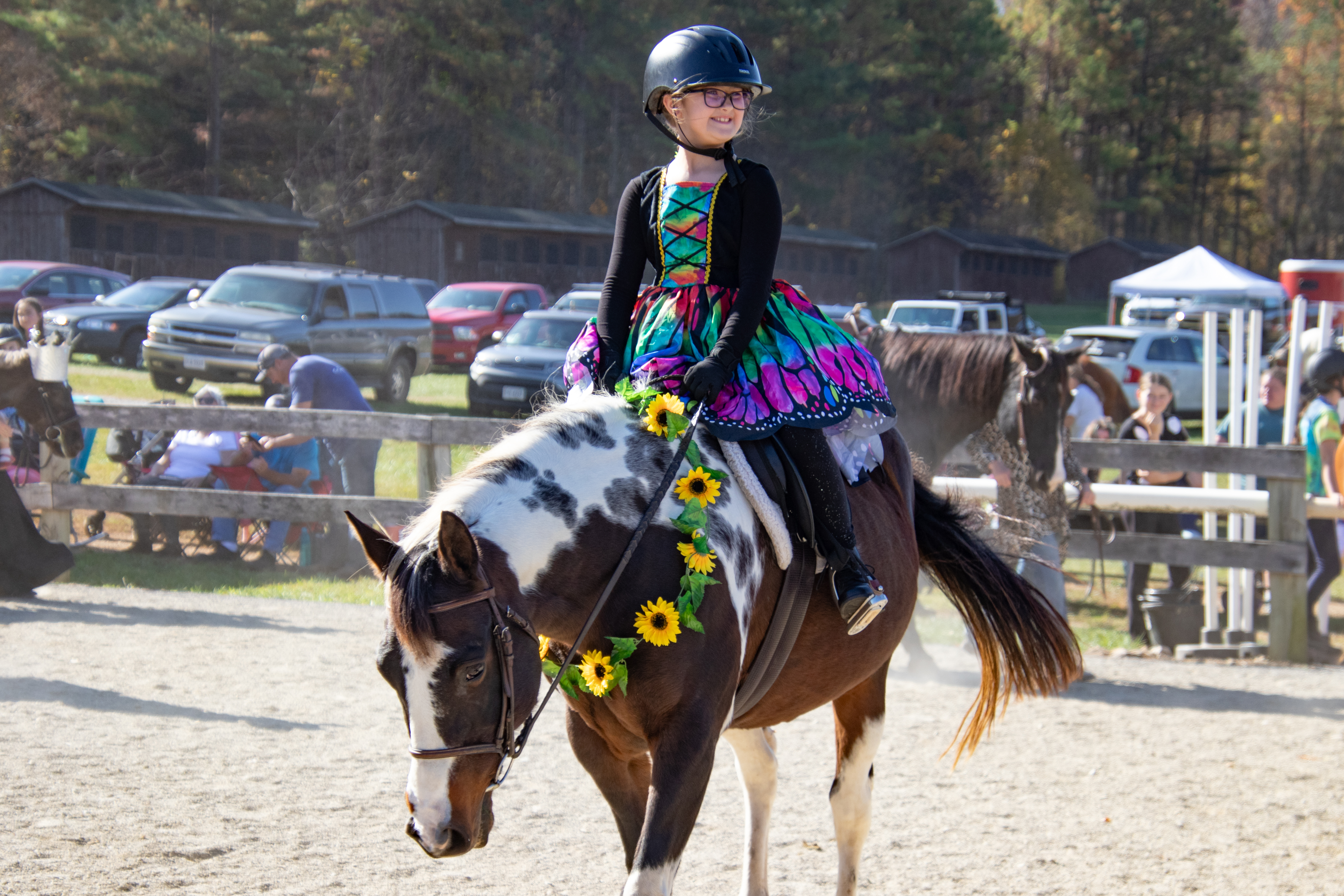
More than 20 exhibitors paraded through the arena Oct. 29 at Green Hill Park Equestrian Center near Salem for the park’s annual Halloween Fun Show.
While the show includes a wide variety of classes, including model, showmanship, leadline, English and Western pleasure, and timed events, it’s the costume class that steals the show.
Creativity took over the show grounds as wigs and wings, horns and construction tape, glitter and paint adorned riders and horses alike.
Pick your favorite!
And the winner is….
The Mariachi Band, complete with sombreros and instruments took the top prize, adding a blue ribbon to their already vibrant display of colors. Congratulations!
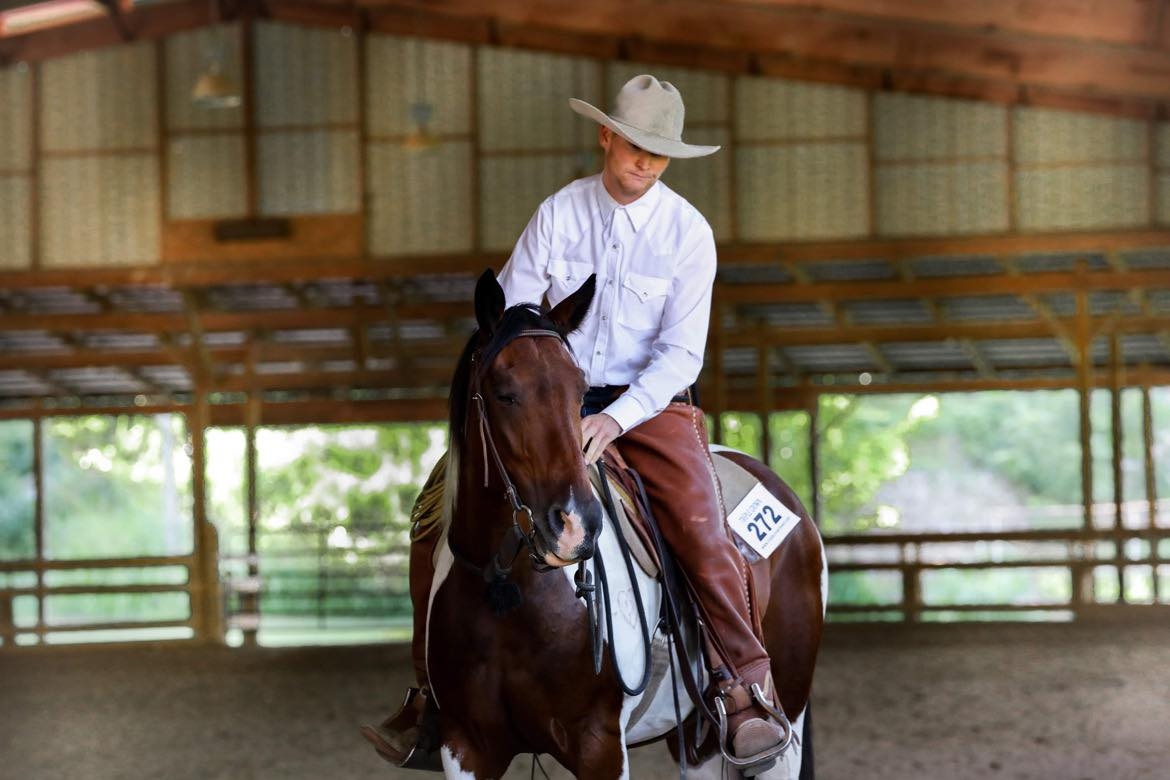
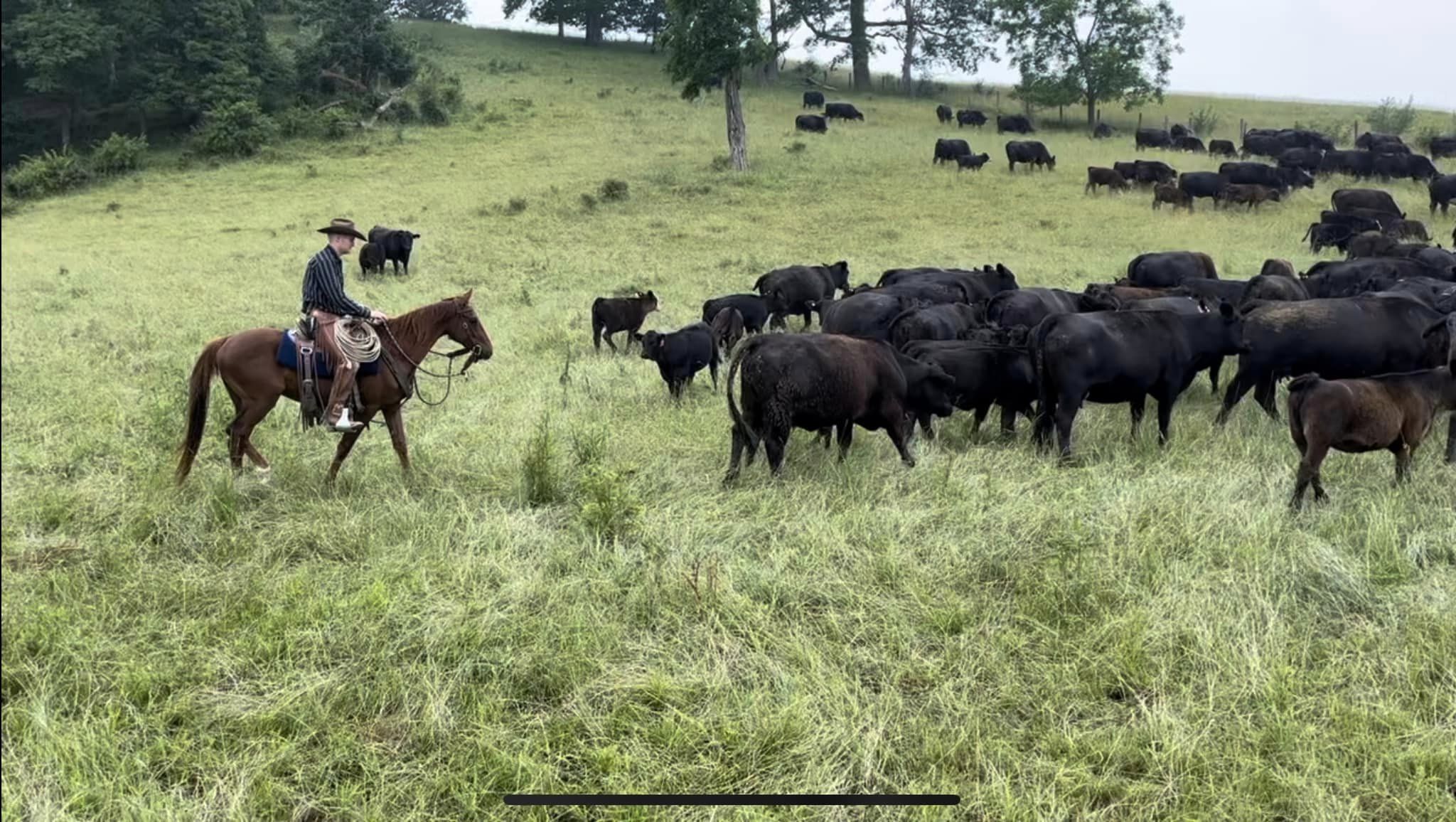
Joe McDonald grew up in Blacksburg on his family’s farm where they raised Angus, Simmental and Sim-Angus cattle. While his dad managed the farm, his mom worked in the equine industry in a variety of roles including steeplechase jockey, dressage trainer and collegiate coach.
“I grew up doing a wide range of activities with horses such as ranch work, eventing, polo, polocrosse, trail riding, etc. Today I run McDonald Equine from my family farm,” McDonald said.
Outside of work, he says, his passion with horses is to train a Californio-style bridle horse.
Tell me about your business. What kind of services do you offer?
McDonald Equine operates off of my family’s working ranch. We take in outside horses for riding. We do halter breaking. We start colts. We work with problem horses as well as refine more educated horses and offer lessons for groundwork and riding.
When did you get started in horses?
I was pretty much born into horses. Both my parents were horse people so I’ve been around horses my entire life. I do think my parents did a good job never forcing the horse thing on me, they let me have a lot of autonomy that way. I was always riding around the ranch finding something to get into. I was a part of Pony Club and 4-H, but never took it that seriously. Once I got into college, I started playing polo and showing more. The real game changer for me was when I met Buck Brannaman my first summer after college. That was the first time I realized how much someone could get done with a horse and the first time I felt like I really needed to pursue something.
What’s your specialty? What do you take the most pride in?
I think we really stand out in our handling of young horses. Folks don’t always realize how important the early years are for a horse and how easy life can be if a horse is halter broke and started properly. I also take pride in being able to empower people. I want a client to feel like they know more and can get a lot more done with their horse after they work with me. I think there are a lot of trainers that keep their clients semi-helpless in an effort to keep them around longer. I don’t want that.
Can you describe your training/teaching philosophy?
The person who has by far had the biggest impact on my philosophy is Buck Brannaman. He was heavily influenced by Ray Hunt and Tom Dorrance, so that’s sort of the school of thought I try to follow. You have to understand where a horse is coming from and present things in an appealing way. That doesn’t mean you might not have to be firm at the right time, it just means that your timing has to be set up in a way that your communication is clear. It’s not all Kumbaya and drum circles, but it’s not all conflict either. It’s just living in the moment. I’ve been very blessed to have a lot of good teachers and I’m always trying to learn more from them.
What do you look for when choosing a young prospect? Do you have favorite breeds or bloodlines?
I don’t necessarily have a specific breed I like. Every breed has their super stars and every breed has some duds. My ideal horse would be between 15.3hh and 16.1hh, have a large hoof (like a number 2 shoe), good bone underneath of him and it would be good if he was slightly uphill. There’s more details from a conformation standpoint that I look for, but if you don’t have good feet and solid legs, the rest doesn’t really matter.
Who are your riding mentors? How have they influenced your riding?
As I mentioned before, my biggest influence is Buck Brannaman. When I saw him ride, I knew he was the real deal and it’s what I wanted to be like. Through the horsemanship community, I’ve been fortunate enough to run into several other folks that I know and trust. Bill Barnes from Forsythe, Georgia, has had a huge impact on my life. From the very beginning he really took me under his wing and it’s rare that people have such a knowledgeable mentor that cares that much. He’s really been a blessing. Another person is Alicia Landman from Tennessee. She has a wealth of experience in the horse industry and has an incredible amount of feel when working with a horse. She’s helped me quite a bit. Lastly, I’d have to say my friend Joel Connor from Ellensburg, Washington. Not only is he an excellent horseman, but he’s probably one of the most tenacious people I know in terms of work ethic. His council has helped me get through some tough times riding for the public and he’s helped me understand the discipline and attention to detail you need if you’re going to work with horses. All four of these people have sort of shaped me into the rider I am today and I know without them I wouldn’t have gotten very far at all.
If you could spend the day riding with any horseman, living or dead, who would it be?
Tom Dorrance, easy answer. I was too young to ever really be around Tom, but pretty much everyone I learn from today can track their line of thinking back to him. He had a photographic memory, which allowed him to learn so much and have so much feel that he could do things no one else could do with a horse. Now he’s pretty much a legend, but it would be fun to spend a day with him to see all this stuff I’ve heard stories about.
What is the best piece of riding advice you were ever given?
“Get to the feet.” I’ve heard Buck say this a bunch, and it really is true. If you can get to a horse’s feet, you have a chance of getting them to make a change. If you don’t have the feet, you don’t have much going on.
What is your proudest horse-related moment?
Any time I can watch my fiance, Kayleigh, ride a horse that I have worked with or we have worked with. It makes me proud. I love watching the horses succeed and I love watching her succeed.
Do you have a favorite horse movie or book?
Probably “Hidalgo.” For one, I love Viggo Mortensen. Also I think it’s just a good movie, period. A lot of horse movies can be a little cringy, but that’s a movie you could show to non-horse folks and they’d likely enjoy it. “The Man From Snowy River” would be a very close second.
You’re headed to a horse show. What’s one item would you never leave home without?
Probably a rope halter. If something goes out of whack with your horse, having a rope halter is a good place to start. Of course, then you have to know how to use it.
What one piece of advice would you give new/young riders?
Try to get around someone who is far more knowledgeable than you. If you’re new or you don’t know much, it can be hard to tell who is knowledgeable and who is blowing smoke. Here’s how I like to separate the two: First, listen to what they say, if you like what they say, then good. Then, watch how they ride. Just watch, don’t listen to what they are saying as they do it, because this is where the charlatans can fool people. Watch how they are getting along with their horse. Does the horse seem to be understanding? Is that what you want to look like when you’re riding? If the answer is yes, then you’re in the right spot.
Tell us about the best horse you’ve ever ridden.
The way things go at the moment, the best horse I’ve ever ridden is the next one I start because I keep getting better at offering the horse a good deal. That being said, I have a Thoroughbred mare named Betty that I ride now and she has a lot of grit and a lot of heart. There is something about a horse that you feel like you could go to war on.
If you could try any other riding discipline, what would it be?
If I lived in the right area I wouldn’t mind getting around some polo or some of the reined cow horse stuff, but I’m pretty happy with where I’m at and what I’m pursuing.
What is your favorite local horse show or event?
I always really enjoyed the Roanoke Valley Horse Show. It was cool back when A shows were more of an event for the town. Like the circus was rolling in or something. It gave the shows a lot of personality. Now they have sort of been condensed into a few big venues because of how the economics have worked out.
What one thing would make the Roanoke region a better place for equestrians?
It might be an obvious one, but investing in Green Hill Park Equestrian Center. Specifically improving the footing and maybe one day covering one of the rings. That facility has so much potential, but it does take a lot to maintain something like that. It’s a rare thing for a community to have, so it needs to be looked after.
What horse industry/riding trend do you wish would go away and never return?
There are a whole slew of people that set green riders up with young, green horses with the idea that the horse and rider can “learn together.” It’s not a fair situation for either party. Don’t get me wrong, if people want to progress with young horses, there comes a time when they need to start working with them. But in the beginning, a person (or more often a kid) needs to start with a solid horse that will give them confidence. Only after the human has some confidence about what they’re doing, can they start to give confidence to an uneducated horse.
What is your favorite characteristic in a client/student?
Eagerness and humility. You need people that want to learn, but also they need to be humble enough to spend time learning the fundamentals. Horsemanship is like the “wax on, wax off” scene from “The Karate Kid.” You have to be willing to dedicate yourself to mastering the basics.
What was the biggest surprise about making riding your full-time job?
The physical aspect of it. There can be a lot of demand on your body. Not in a bad way, but I have to be aware of how I’m taking care of myself a lot more than if I had a desk job. Being stiff, tired or sore has a direct impact on me being able to do my job well.
If you weren’t in the horse business, what do you think you would be doing right now?
I went to school for engineering, but I’ve always been drawn to the outdoors. I think I’d probably try and do something with cattle or some sort of grazing setup. If I wasn’t in agriculture, I think I’d be interested in making a career in some sort of outdoor recreation like kayaking or backpacking.